Beverly Hills Periodontics & Dental Implant Center
Osseous Surgery in Beverly Hills for Advanced Gum Disease
Osseous surgery is a specialized gum procedure that reshapes infected bone and deep pockets caused by advanced periodontal disease, helping stabilize teeth and protect your smile. In our Beverly Hills practice, care is focused on precise treatment, comfort, and long-term gum and bone health.
Led by an experienced periodontist dedicated to gum and implant therapy, Beverly Hills Periodontics & Dental Implant Center offers modern techniques and tailored treatment plans so you can move forward with confidence.
Explore our comprehensive periodontal and implant services to see how we can support your overall oral health.
What Is Osseous Surgery and When Is It Recommended?
Osseous surgery is a type of gum surgery used to treat advanced gum disease by carefully cleaning infected areas around the teeth and reshaping the supporting bone. The goal is to reduce deep periodontal pockets, smooth damaged bone, and create a healthier environment so gums can reattach and teeth can be stabilized.
Periodontal surgery like this is usually recommended when non-surgical treatments, such as scaling and root planing (deep cleaning), are no longer enough to control infection or stop bone loss. It is often part of a broader plan to manage periodontal disease and preserve natural teeth whenever possible.
At Beverly Hills Periodontics & Dental Implant Center in Beverly Hills, our practice is dedicated to gum and implant health. We use advanced imaging, modern instruments, and precise techniques to perform osseous surgery with a strong focus on comfort, safety, and predictable healing.
Osseous surgery is rarely a stand‑alone solution. Your customized treatment plan may combine this procedure with deep cleanings, laser therapy, and ongoing maintenance visits. Together, these steps help control advanced gum disease and support long-term oral health.
To understand how osseous surgery fits within the full spectrum of gum care, you can explore our comprehensive guide to periodontal disease treatment.
Who Typically Needs Osseous Surgery?
Osseous surgery is usually considered for patients with:
- Moderate to severe periodontitis with ongoing inflammation
- Deep gum pockets that did not improve enough after scaling and root planing
- Visible bone loss around teeth on dental X‑rays
- Teeth that feel loose, drifting, or changing position
- Recurrent gum infections or bleeding despite good home care
Not everyone with gum disease needs this type of treatment for advanced gum disease. Candidacy is determined after a thorough periodontal evaluation, including measurements around each tooth and detailed imaging, so your periodontist can recommend the safest, most effective option for your specific situation.
When Gum Disease Reaches the Bone: Problems Osseous Surgery Addresses
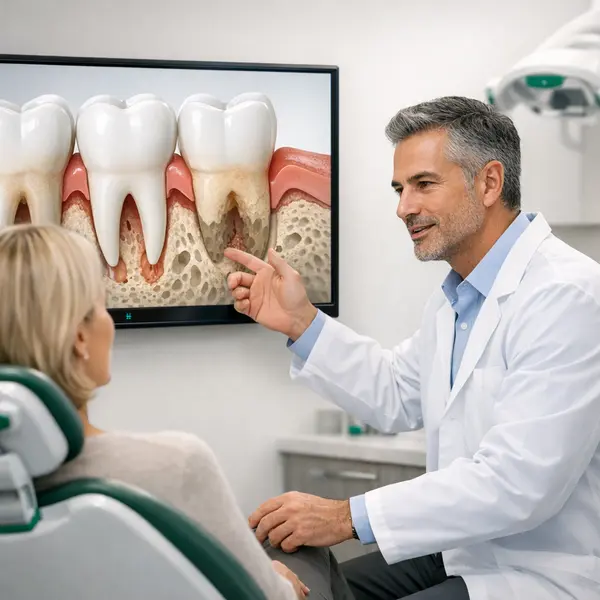
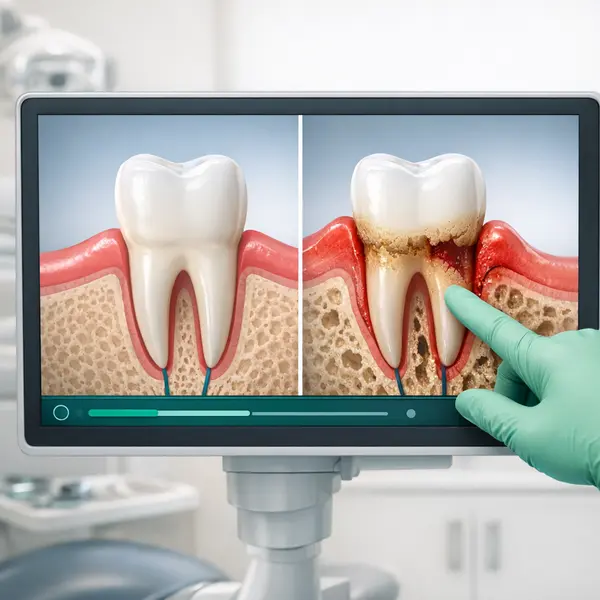
When advanced gum disease is left untreated, infection can extend beyond the gums into the supporting bone around teeth. As bacteria sit in deep periodontal pockets, they erode the bone, creating irregular surfaces that are difficult to clean and easy for plaque to hide in.
Osseous Surgery is designed to address these problems at their source. It targets:
- Deep periodontal pockets that trap bacteria below the gumline
- Rough or uneven bone that makes thorough cleaning almost impossible
- Areas of bone loss around teeth that contribute to looseness and shifting
You may notice warning signs such as gums that bleed easily, chronic bad breath that doesn’t improve with brushing, or your bite feeling different. Teeth that feel loose or slightly wobbly can indicate bone loss around teeth and more advanced damage that needs prompt evaluation.
Delaying care can allow infection to spread, increase the risk of tooth loss, and lead to more complex, costly treatment in the future. Addressing advanced gum disease early with bone-level treatment can help stabilize your mouth and support long-term oral health.
Related resources
- Learn more about early warning signs in Recognizing Gum Disease Symptoms: Early Detection and Prevention Tips.
- If your adult teeth feel loose, review Why Are My Adult Teeth Loose?.
- For advanced gum disease care in Beverly Hills, visit Periodontal Disease in Beverly Hills.
Signs You May Need Osseous Surgery
Bone-level gum treatment like Osseous Surgery is often considered when:
- Gums are persistently swollen, tender, or bleed easily when brushing or flossing
- Your dentist or periodontist has measured deep pockets around certain teeth
- Teeth feel loose, shifting, or your bite no longer fits together comfortably
- Gums have receded and teeth look longer or more “exposed” than before
- You have ongoing bad breath or a bad taste in your mouth despite good home care
- Previous scaling and root planing has not fully reduced deep pockets
Benefits of Osseous Surgery for Your Teeth and Gums
Osseous surgery is designed to control advanced gum infection, reshape damaged bone, and create a cleaner, more stable environment around your teeth so you can protect your smile for the long term.
- Reduces periodontal pocket depth: Helps shrink deep gum pockets where bacteria collect, making the area easier to keep clean.
- Supports tooth preservation: By smoothing infected bone and improving gum attachment, osseous surgery can lower the risk of future tooth loosening and loss.
- Improves daily cleaning at home: Flossing and brushing become more effective when pockets are shallower and gum contours are healthier.
- Enhances long-term gum stability: Creates a more predictable foundation for ongoing periodontal maintenance and professional cleanings.
- Can increase comfort while chewing: Reducing inflammation and infection around teeth may ease tenderness and make eating more comfortable.
- Integrates with comprehensive care: At Beverly Hills Periodontics & Dental Implant Center, osseous surgery is planned as part of a personalized periodontal treatment strategy focused on preserving gum and bone support.
Our Beverly Hills periodontist team emphasizes careful diagnostics, gentle techniques, and detailed post-operative guidance so you understand each step and can heal as comfortably as possible. In some cases, osseous surgery may be combined with other procedures, such as laser gum surgery or esthetic crown lengthening, to optimize both health and restorative outcomes.
How Osseous Surgery Supports Overall Oral Health
By reducing deep periodontal pockets and lowering the bacterial load around your teeth, osseous surgery can make everyday brushing and flossing more effective and help protect remaining bone. Healthier gums are less likely to bleed or stay chronically inflamed, which may also contribute to better overall wellness when combined with consistent home care and regular periodontal maintenance.
To help maintain your results, your periodontist will typically recommend a tailored maintenance schedule and at-home strategies. You can also explore tips for long-term gum health in this guide to lasting gum health.
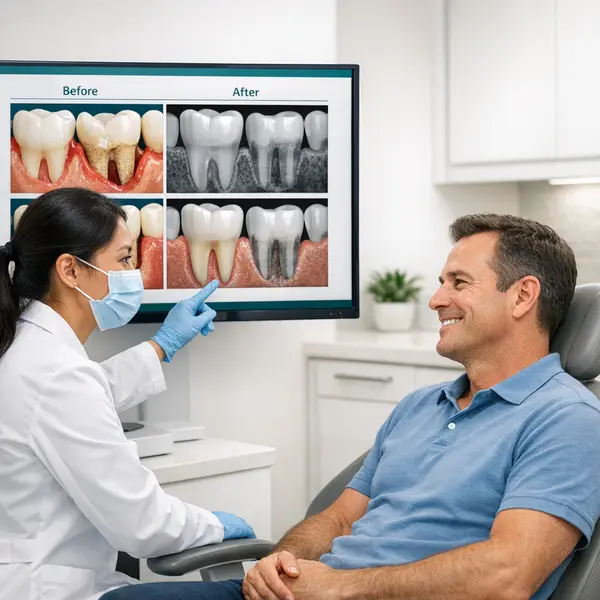

What Happens During Osseous Surgery at Our Beverly Hills Practice?
At Beverly Hills Periodontics & Dental Implant Center, the osseous surgery procedure is carefully planned and performed in stages. Our goal is to reduce deep periodontal pockets, smooth damaged bone, and create a gum and bone environment that is easier to keep healthy over time.
During osseous surgery, the gums are gently lifted to access the roots and underlying bone, hardened deposits and bacteria are thoroughly removed, and irregular bone is reshaped. The gum tissue is then repositioned and secured so it fits more snugly around the teeth, helping to stabilize them and support long-term periodontal health.
Comprehensive Evaluation and Planning
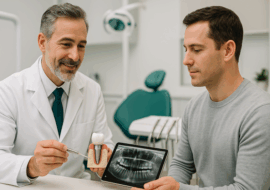
Osseous surgery begins with a detailed consultation. Your periodontist reviews your medical and dental history, discusses your symptoms, and examines your gums and teeth. Precise periodontal probing measurements are taken to determine how deep the pockets are around each tooth.
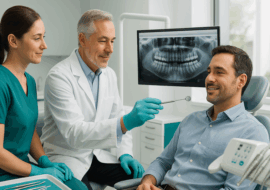
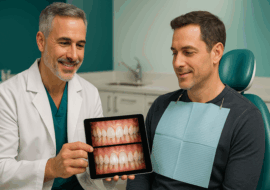
Digital X-rays and, when appropriate, 3D imaging are used to evaluate bone levels and areas of bone loss. Photographs may also be taken to help with planning and to document your progress. Using this information, the doctor maps out exactly which teeth and surfaces require osseous surgery and explains recommended treatment options so you know what to expect.
Anesthesia and Comfort Measures
On the day of your procedure, local anesthesia is carefully administered to numb the treatment area so you remain comfortable while the work is being done. For patients who feel especially anxious, additional comfort options can be discussed in advance as part of your personalized plan.
Throughout the osseous surgery, our team checks in frequently, uses gentle techniques, and works methodically to limit discomfort. Most patients feel pressure and vibration rather than sharp pain while the gums are opened, the roots are cleaned, and the bone is reshaped.
Step-by-Step Surgical Treatment
After the area is numb, the gums are carefully folded back to expose the tooth roots and surrounding bone. The periodontist removes hardened plaque (tartar), bacterial toxins, and inflamed tissue from the pockets and root surfaces, creating a clean, healthy foundation.
Damaged or irregular bone is then gently smoothed and reshaped to eliminate hidden ledges and craters where bacteria can collect. In selected cases with more advanced bone loss, osseous surgery may be combined with bone grafting to rebuild support; if that is recommended, you may also be guided to resources on what to expect during dental bone graft recovery.
In other individualized cases, biologic materials can be used to support natural healing. For patients interested in learning more about these advanced options, our team may reference our educational guide on platelet-rich fibrin in dentistry.
Aftercare, Healing, and Follow-Up Visits
When the surgical cleaning and bone reshaping are complete, the gums are repositioned and secured with sutures. A protective dressing may be placed around the teeth and gums, depending on your specific needs. Before you leave, you receive clear written and verbal instructions on how to care for the area at home.
Typical guidance includes how to manage soreness, which foods and drinks are best during the early healing phase, and how to brush and rinse safely around the surgical sites. Follow-up visits are scheduled to monitor healing, adjust home care as needed, and remove sutures when appropriate.
Long-term success after osseous surgery depends on consistent periodontal maintenance. Regular professional cleanings and careful daily home care help keep pockets shallow, support the treated bone and gums, and reduce the risk of future periodontal breakdown.
Your Osseous Surgery Journey: Step-by-Step
At Beverly Hills Periodontics & Dental Implant Center, your osseous surgery process is organized into clear stages so you always know what comes next—from your first consultation through healing and long-term maintenance of your gums.
Step 1: Periodontal Consultation and Diagnosis
Your journey begins when you contact our Beverly Hills office to schedule a periodontal evaluation. At your visit, you will complete a detailed medical and dental history, followed by a gentle clinical exam and X-rays. Our specialist periodontist carefully measures your gum pockets and bone levels to determine whether osseous surgery is the most appropriate way to manage your gum disease.
Step 2: Personalized Osseous Surgery Plan
Next, we review your diagnostic findings together and outline exactly which areas of your mouth will benefit from osseous surgery. Your periodontist may discuss combining treatment with regenerative procedures to support bone and tissue health. This is your time to ask questions, understand the osseous surgery step-by-step process, and provide informed consent so you feel confident about your customized plan.
Step 3: Procedure Day and Ongoing Maintenance
On treatment day, you arrive at our modern Beverly Hills practice and are made comfortable before receiving local anesthesia. Our experienced team performs the osseous surgery with precision and monitors you closely throughout. Before you leave, you receive clear verbal and written aftercare instructions. Follow-up visits and regular periodontal maintenance cleanings help protect your results and support long-term gum health.
As a full-service periodontal and implant practice, we also coordinate related treatments when needed, drawing on the comprehensive expertise highlighted in our overview of top dental solutions.


Osseous Surgery vs. Other Gum Treatments
Treatment for gum disease is tailored to pocket depth, bone loss, and how your gums respond to earlier care. Understanding osseous surgery vs scaling and root planing and osseous surgery vs laser gum surgery can help you see why different options are recommended at different stages of periodontal disease.
| Treatment | When It’s Typically Used | Invasiveness & Main Goal |
|---|---|---|
| Scaling & Root Planing (Deep Cleaning) | Mild to moderate gum disease with pockets that may respond to thorough non-surgical cleaning. | Non-surgical; removes plaque and calculus below the gums to reduce inflammation. |
| Osseous Surgery | Advanced periodontitis with deep pockets, bone defects, or loosening teeth that did not improve enough with deep cleanings. | Surgical; reshapes diseased bone and gums to reduce pocket depth and make the area easier to keep clean. |
| Laser Gum Surgery | Selected cases where laser-assisted techniques can help disinfect pockets and support tissue healing. | Minimally invasive; uses laser energy to target infected tissue and bacteria around tooth roots. |
Many patients benefit from non-surgical therapy first, and not every case needs surgery. When bone damage and pocket depth are more advanced, osseous surgery can be a focused way to control disease and protect remaining teeth. Your periodontist will review your exam findings, X-rays, and preferences to recommend the safest, most effective option for you.
To see how these treatments fit into the full spectrum of gum care, explore our comprehensive guide to understanding and treating periodontal disease and our in-depth guide to laser gum surgery.
When Is Osseous Surgery Preferred Over Non-Surgical Care?
Osseous surgery is typically considered when deep periodontal pockets remain after thorough scaling and root planing, when X-rays show crater-like bone defects, or when teeth begin to loosen from bone loss. In these situations, cleaning alone may not fully control infection. Surgical access allows the periodontist to reshape bone, reduce pocket depth, and create a healthier environment for long-term maintenance.
Osseous Surgery Cost in Beverly Hills: What Affects Pricing?
Many patients considering Osseous Surgery want to understand cost before moving forward. Instead of a one-size-fits-all fee, osseous surgery pricing is based on your specific periodontal condition, how many areas require treatment, and whether any additional procedures are needed to protect and stabilize your teeth.
Key Factors That Influence Osseous Surgery Fees
When you ask, “How much does osseous surgery cost in Beverly Hills?”, your periodontist will consider several important factors during your examination:
- Number of teeth or quadrants that require osseous surgery
- Extent of gum disease and depth of periodontal pockets
- Degree of bone loss and overall surgical complexity
- Need for bone grafts or biologic materials to support healing
- Whether osseous surgery is combined with other periodontal procedures
- Type of anesthesia or comfort options recommended for your case
- Follow-up visits and long-term periodontal maintenance needs
At Beverly Hills Periodontics & Dental Implant Center, fees reflect a customized treatment plan, advanced technology, and the specialized expertise required to treat moderate to advanced periodontal disease effectively.
Insurance and Financial Considerations
Many dental insurance plans provide partial coverage for medically necessary periodontal treatments, such as osseous surgery, but benefits vary widely by policy and diagnosis. Our team can review your individual benefits, coordinate with your insurance, and discuss payment arrangements or phased treatment when appropriate so you understand your out-of-pocket responsibility before care begins.
If advanced gum disease has already led to tooth loss, you may also be considering dental implants in the future. You can learn more about overall implant-related expenses by visiting our guide on affordable dental implant costs in Beverly Hills.


Conditions and Gum Problems Treated With Osseous Surgery
Osseous surgery is typically recommended for more advanced periodontal disease, when infection has damaged the bone supporting your teeth. The goal is to reshape bone defects around teeth, reduce deep gum pockets, and create a healthier, easier-to-clean environment so remaining teeth can be preserved.
- Chronic periodontitis with deep gum pockets: Persistent pockets that remain after scaling and root planing and show advanced bone loss may benefit from osseous surgery to regain stability. For a broader overview of disease progression, see the comprehensive guide to understanding and treating periodontal disease.
- Vertical or angular bone defects: Irregular bone defects around teeth, often visible on X-rays, can be smoothed and reshaped to reduce areas where bacteria accumulate.
- Recurrent infection despite deep cleanings: Sites that repeatedly become inflamed after non-surgical therapy may need surgical access to thoroughly clean roots and correct bone defects.
- Localized defects around specific teeth: Osseous surgery can target isolated problem areas, including teeth that are becoming loose because of bone loss. Learn more about this issue in causes and solutions for loose teeth in adults.
- Sites preparing for crowns, bridges, or implants: Reshaping bone and reducing pockets can improve the foundation for future restorative or implant treatment.
At Beverly Hills Periodontics & Dental Implant Center, your periodontist evaluates each tooth and area individually, confirming the presence of bone defects around teeth and advanced periodontal changes before recommending osseous surgery or another tailored therapy for periodontal disease.
Localized vs. Generalized Gum Disease Cases
Osseous surgery can be performed for localized gum problems affecting one or a few teeth, or for generalized advanced periodontal disease where multiple areas show deep pockets and bone changes. Treatment planning at Beverly Hills Periodontics & Dental Implant Center is individualized, focusing on which specific sites truly need surgery to control infection, preserve teeth, and stabilize long-term gum health.
Related Periodontal and Cosmetic Services
Many patients who need Osseous Surgery also benefit from complementary periodontal and cosmetic treatments. At Beverly Hills Periodontics & Dental Implant Center, these services work together to control gum disease, protect teeth, and refine your smile’s appearance.
Comprehensive Periodontal Disease Care
Learn how gum infection is diagnosed and managed, including when surgical treatments like osseous surgery are recommended, by visiting our periodontal disease treatment overview.
Laser Gum Surgery Options
For some cases, minimally invasive laser gum surgery can be an alternative or complement to traditional osseous surgery, helping remove diseased tissue and bacteria with precision.
Cosmetic Gum & Smile Enhancements
After disease is controlled, explore cosmetic dental surgery and esthetic crown lengthening to balance your gum line, improve tooth proportions, and enhance overall smile aesthetics.
Localized Care in Beverly Hills & Los Angeles
If you are researching gum disease treatment locally, explore our guides to periodontal disease in Beverly Hills and laser gum surgery in Beverly Hills to understand your options close to home.
During your consultation, your periodontist will review which combination of osseous surgery, laser therapy, and cosmetic gum procedures best supports your oral health and aesthetic goals.

Osseous Surgery FAQs
It is completely normal to have questions before deciding on osseous surgery. Below are straightforward answers to common concerns about comfort, recovery, and when this treatment may be recommended.
What is osseous surgery in dentistry?
Osseous surgery is a periodontal procedure used to treat advanced gum disease by reshaping and smoothing the bone around your teeth. After cleaning infected pockets, the bone and gum tissue are adjusted to reduce pocket depth and make it easier to keep the area clean. This can help stabilize teeth and protect your long-term oral health when non-surgical care is no longer enough.
How do I know if I need osseous surgery for gum disease?
Osseous surgery is typically recommended when you have deep periodontal pockets, bone loss around teeth, or gum disease that has not responded fully to scaling and root planing. Signs may include bleeding gums, loose teeth, or persistent bad breath. A periodontal evaluation with X-rays is the best way to determine if this treatment is appropriate for you.
Is osseous surgery painful?
During osseous surgery, the area is thoroughly numbed with local anesthesia, so you should feel pressure but not sharp pain. Some soreness or swelling afterward is common and usually managed with recommended pain relievers and careful home care. Your periodontist will explain comfort options and provide instructions to help you stay as comfortable as possible during recovery.
What is recovery like after osseous surgery?
Recovery from osseous surgery usually involves a few days of mild to moderate discomfort and swelling, which gradually improves. You will receive instructions about diet, oral hygiene, and activity restrictions, along with follow-up visits to monitor healing. Most patients can return to normal daily activities fairly quickly, while complete healing of the gums and bone takes longer and is checked over time.
How long does an osseous surgery appointment usually take?
The length of an osseous surgery visit depends on how many teeth and areas are being treated, as well as your individual needs. Many appointments take from about an hour to a few hours. Your periodontist will outline a personalized treatment plan in advance so you know how many visits to expect and how to plan your schedule around them.
Can osseous surgery save loose teeth?
In some cases, osseous surgery can help stabilize teeth that are loose because of gum disease by reducing infection and reshaping damaged bone. However, the outcome depends on how much bone support remains and your overall oral health. A comprehensive periodontal exam is needed to evaluate each tooth and discuss whether osseous surgery, other gum treatments, or additional restorative options are recommended.
Does insurance cover osseous surgery?
Many dental insurance plans provide partial benefits for medically necessary periodontal procedures such as osseous surgery, but coverage varies widely. Our team can review your plan, help estimate your out-of-pocket costs, and explain available payment options. It is always a good idea to check your specific benefits in advance so you understand what your policy may contribute.
How do I schedule an osseous surgery consultation in Beverly Hills?
To find out if osseous surgery is right for you, schedule a periodontal evaluation with Beverly Hills Periodontics & Dental Implant Center. Patients from Beverly Hills and surrounding Los Angeles communities are welcome. During your visit, your periodontist will review your health history, examine your gums, and discuss treatment options tailored to your needs.
Schedule Your Osseous Surgery Consultation in Beverly Hills
If you are worried about advanced gum disease, you do not have to make treatment decisions on your own. At Beverly Hills Periodontics & Dental Implant Center, our practice focuses on periodontal health and offers advanced options, including osseous surgery, to help protect and preserve your natural teeth whenever possible.
During a personalized periodontal evaluation, an experienced periodontist will review your concerns, explain your imaging and exam findings, and outline the treatments that best fit your needs and goals. Our team serves patients from Beverly Hills and surrounding Los Angeles communities in a calm, supportive setting.
Take the next step toward healthier gums—schedule your Beverly Hills consultation to discuss whether osseous surgery or another treatment is right for you.