Beverly Hills Periodontics & Dental Implant Center
Dental Implant Complications: Understand the Risks, Protect Your Smile
Worried about soreness, loosening, or other changes around a dental implant? Concerns are normal. With expert diagnosis and management, many issues can be prevented, identified early, and effectively treated.
At Beverly Hills Periodontics & Dental Implant Center, our implant-focused periodontists use advanced imaging, meticulous planning, and evidence-based techniques to help you achieve stable, long-lasting results.
Implant-focused expertise from specialist-trained periodontists
Advanced 3D imaging and precise surgical planning
Comprehensive gum and bone health care to support implant success
What Are Dental Implant Complications?
Dental implant complications are problems that interfere with the normal healing, function, or comfort of a dental implant or the surrounding bone and gums after placement. They go beyond expected post‑procedure symptoms and may involve implant failure, gum problems around implants, or bone loss around implants.
Clear definition for patients
After implant surgery, it is normal to experience temporary tenderness, mild swelling, and slight bleeding as part of healing. Dental implant complications, however, include issues such as persistent pain, loose implants, infection, or changes in your bite that do not improve over time and require professional evaluation and treatment.
Some patients also ask about the long-term side effects of dental implants. While most people do very well, ongoing inflammation, gum recession, or progressive bone loss can occur if risk factors are not managed or if follow-up care is delayed.
Success rates versus real-world risks
Dental implants generally have high success rates when they are carefully planned, precisely placed, and maintained with good home care and regular professional visits. Actual risk varies from person to person and is influenced by bone quality, bite forces, medical conditions, smoking, and the control of existing gum disease.
At Beverly Hills Periodontics & Dental Implant Center, our periodontists evaluate your bone health, gum status, bite, and overall medical history before recommending treatment. We address conditions such as periodontal disease in advance to reduce complication risk and design an implant plan tailored to your needs. For a broader overview of treatment benefits and steps, many patients also review our complete guide to dental implants.
The sections below explain the common causes of dental implant complications, how they can be prevented, and what to do if you notice changes around an existing implant.


Common Problems and Warning Signs to Watch For
Some soreness after implant surgery is normal, but certain changes can signal developing dental implant complications. Paying attention to new or worsening symptoms helps catch issues early, when treatment is usually simpler and more conservative.
Early warning signs you shouldn’t ignore
Contact your dentist or periodontist if you notice any of the following around an implant:
- Throbbing pain that appears or worsens after initial healing.
- Red, puffy, or shiny gums near the implant site.
- Bleeding when brushing, flossing, or gently touching the gums.
- A loose dental implant or crown that feels different when you bite or chew.
- Swelling, warmth, pus, or signs of infection around the dental implant.
- Persistent bad taste or odor that does not improve with cleaning.
- Exposed metal threads or gum recession with visible bone loss around the implant.
Early gum inflammation around an implant is called peri-implant mucositis. If infection spreads deeper and affects the bone, it is known as peri-implantitis. Both conditions are treatable, but earlier care usually means less invasive procedures.
What happens if complications are left untreated?
When symptoms are ignored, infection can gradually damage the supporting bone and gums. Over time, this may make the implant harder to clean, increase discomfort when chewing, and in some cases lead to implant loosening or failure. Prompt evaluation by a specialist can often stop the process early and protect your long-term results.
Why Addressing Implant Complications Early Protects Your Health
Concerns about dental implant complications are understandable, but waiting rarely makes things better. Seeking expert care early is one of the most effective ways to protect your implants, your comfort, and the long-term health of your gums and jawbone.
Better chance of preserving your implants
When problems are caught early, targeted cleaning, medication, bite adjustments, or minor surgical procedures can often stabilize an at-risk implant before damage becomes severe. At Beverly Hills Periodontics & Dental Implant Center, advanced imaging and precise diagnostic protocols help our team identify subtle changes around your implants and create a tailored plan that may help you keep your existing restoration.
Support for overall gum and bone health
Proactive treatment protects more than the implant itself. Managing inflammation and infection around an implant helps safeguard neighboring teeth, maintain healthy gum contours, and reduce the risk of progressive bone loss. Ongoing periodontal maintenance visits and strong home care habits, such as those discussed in expert tips for lasting gum health, support long-term function and comfort.
With specialist oversight, potential long-term side effects of dental implants can be monitored and addressed before they become more complex. In some situations, advanced techniques such as platelet rich fibrin therapy or modern bone grafting approaches (see dental bone graft recovery guidance) may support healing around complex implant cases.
Beverly Hills Periodontics & Dental Implant Center is committed to being your long-term partner in implant and gum health, offering careful monitoring, individualized treatment plans, and clear explanations so you can move forward with confidence.


Types of Dental Implant Complications, Causes, and Treatment Options
Most dental implant complications are uncommon and, when identified early, can be managed predictably. At Beverly Hills Periodontics & Dental Implant Center, we focus on the etiology, prevention, and treatment of dental implant complications with careful planning, advanced diagnostics, and individualized therapy designed to protect both your implants and surrounding tissues.
Early surgical and healing complications
In the first days after placement, patients may experience expected soreness, swelling, or minor bleeding. Less commonly, issues such as prolonged bleeding, infection at the surgical site, sinus involvement in the upper jaw, or temporary nerve irritation can occur. These are carefully evaluated with a clinical exam and, when needed, imaging to determine the source and severity.
Treatment may include medication to control infection or discomfort, adjustment of the restoration, careful cleaning of the area, or additional procedures to stabilize soft tissue. With close follow-up and clear post-operative instructions, most early healing concerns are addressed before they threaten long-term implant stability.
Gum-related complications around implants
Gum-related dental implant complications often begin as peri-implant mucositis—red, swollen gums that may bleed when you brush or floss around the implant. If plaque and bacteria remain along the gumline, you may also notice tenderness or a bad taste. When evaluated early, this inflammation is usually reversible with professional cleaning and improved home care.
Gum recession around implants can expose metal threads, affect appearance, and make the site harder to clean. Our periodontists assess tissue thickness, oral hygiene, and bite forces. Management may include non-surgical therapy, laser gum surgery when appropriate, or soft tissue grafting to reinforce and reshape the gums for better health and esthetics.
Bone loss and peri-implantitis
Peri-implantitis is a deeper infection affecting the bone that supports an implant. Signs can include persistent bleeding, pocketing around the implant, pus, or radiographic bone loss. Sometimes patients notice a bad taste, swelling, or a feeling that the implant or crown is less stable than before.
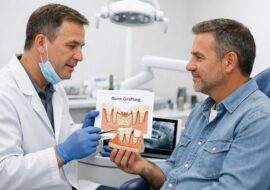
Our team evaluates bone levels with digital imaging, measures pocket depths, and reviews contributing factors such as smoking, diabetes, or bite stress. Treatment options may involve targeted deep cleaning, laser decontamination of the implant surface, and regenerative procedures such as bone grafting. In select cases, advanced techniques using platelet concentrates, as described in our guide to platelet rich fibrin and PRF for bone regeneration, may support healing. When bone loss is advanced, implant removal and site regeneration are carefully considered rather than automatically attempting to “save” every implant.
Prosthetic and bite-related problems
Some complications are mechanical rather than biological. Loose implant crowns, broken or stripped screws, worn components, or a misaligned bite can place excessive force on individual implants or full-arch restorations. Patients may feel a rocking sensation, clicking, or discomfort when chewing.
These issues are typically managed by adjusting the bite, tightening or replacing hardware, or remaking the restoration for better fit and load distribution—often without removing the implant itself. In complex cases with combined gum and bone changes, procedures such as osseous surgery or, if necessary, careful tooth or implant extraction may be part of a long-term plan.
If you notice bleeding, discomfort, looseness, or changes around a dental implant, an early evaluation can help protect your investment and health. Our periodontists develop personalized plans that may include non-surgical care, laser therapy, grafting, or, when appropriate, carefully sequenced replacement.
How Our Team Evaluates and Manages Dental Implant Complications
Many patients come to Beverly Hills Periodontics & Dental Implant Center specifically for second opinions or help with dental implant complications. Our specialist-led team follows a structured, compassionate process designed to find the cause of your symptoms and create a clear, individualized plan to move forward.
Step 1: Detailed consultation and history
Your visit begins with a focused conversation. We listen carefully to your concerns, review your medical and dental history, discuss when and where your implants were placed, and document current symptoms. You will have time to ask questions so we can understand both your clinical needs and your personal goals.
Step 2: Advanced imaging and examination
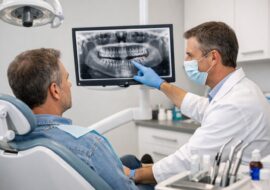
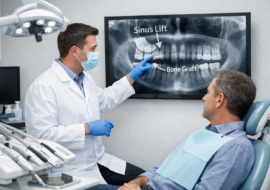
Next, we perform a thorough clinical exam of your implants, gums, and bite. High‑resolution X‑rays and 3D imaging are used to evaluate bone levels, implant position, and surrounding tissues. Our periodontist interprets these findings to identify infection, bone loss, or mechanical issues that may be contributing to your discomfort.
Step 3: Personalized treatment and follow-up plan
We then review your results in clear, everyday language and outline all appropriate options—from conservative therapies and laser gum surgery when indicated to more advanced procedures. When helpful, we coordinate with your general dentist or other specialists. Together, we design a realistic treatment and follow-up schedule, which may include ongoing periodontal maintenance to protect your long-term results.
If you are concerned about an existing implant, we encourage you to schedule a professional evaluation so we can carefully assess your situation and discuss the safest next steps.


Implant Complications: Specialist Care vs. Waiting or DIY Fixes
When people notice tenderness, swelling, or looseness around an implant, online searches often focus on “reasons not to get dental implants” or how to fix problems at home. Education is helpful, but dental implant complications rarely improve without a precise diagnosis and professional treatment plan.
| Aspect | Specialist evaluation | Waiting it out | DIY & online tips |
|---|---|---|---|
| Accuracy of diagnosis | Clinical exam and imaging to identify true cause | Cause often unknown until symptoms worsen | Based on generic information, not your mouth |
| Risk of bone or gum loss | Addressed early to help protect supporting tissues | May increase if infection or inflammation continues | Unproven remedies may delay needed care |
| Pain control & comfort | Targeted treatment with appropriate medications | Pain may come and go but underlying issue remains | Over-the-counter methods may mask symptoms only |
| Long-term implant stability | Plan tailored to preserve or restore implant support | Higher chance of progression to more complex problems | Technique errors may damage gums, bone, or prosthesis |
| Peace of mind | Clear diagnosis, options, and follow-up plan | Ongoing uncertainty and worry about “what if” | Conflicting advice and no definitive answer |
Online resources are valuable for understanding the dental implant complications you might be reading about, but they cannot replace an in-person exam with a trained clinician who can evaluate your specific implant, bone, and gum health.
Why a periodontist or implant specialist matters
Periodontists focus on the gums, bone, and supporting structures that keep implants stable. This advanced focus allows careful assessment of infection, bite forces, bone volume, and soft tissue health—key factors in the etiology, prevention, and treatment of dental implant complications. That deeper perspective helps guide conservative, stepwise care before problems become difficult to manage.
Costs of Evaluating and Treating Dental Implant Complications
It is natural to wonder about dental implant complications cost when you notice discomfort, swelling, or changes around an implant. At Beverly Hills Periodontics & Dental Implant Center, fees for evaluating and treating issues are personalized, because the care needed can range from simple maintenance to more complex corrective procedures.
For context on baseline implant pricing and how fees are structured, you may also find it helpful to review our article on affordable dental implants in Beverly Hills and how costs are explained. Treating complications follows similar principles: we match the treatment plan to the condition of your gums, bone, and restoration.
Key factors that influence pricing
When patients ask, “How much does treating dental implant complications cost?”, the answer depends on several clinical and procedural details, including:
- Severity and type of complication (mild gum inflammation vs. deep infection or bone loss)
- Number of implants and areas involved
- Need for advanced diagnostics such as 3D imaging or specialized testing
- Type of procedure required: non-surgical cleaning, laser therapy, surgical access, or implant removal
- Use of regenerative materials, such as bone grafts or biologic membranes
- Prosthetic work on the crown, bridge, or denture attached to the implant
- Frequency of follow-up visits and ongoing maintenance to stabilize the area
Addressing concerns early usually means simpler, more predictable care, which can help limit both treatment time and overall expense.
Discussing your options and estimate
A careful examination, including your medical history and imaging, is essential before we can provide an accurate estimate for managing dental implant complications. After your evaluation, our periodontist will explain the etiology, prevention, and treatment options for your specific situation, outlining recommended steps as well as reasonable alternatives when appropriate.
You will receive a clear, written treatment plan that details phases of care and associated fees, so you understand costs before moving forward. Our team can also discuss phased scheduling and available financing options to help make necessary treatment more manageable.


Implant-Related Conditions and Problems We Commonly Treat
At Beverly Hills Periodontics & Dental Implant Center, we evaluate a wide range of dental implant complications—from minor irritation to complex implant failures. Many people come in because they notice a change but are not sure what it means. Our role is to identify the cause and recommend a careful, tailored treatment plan.
- Gum swelling around an implant or recurring tenderness near the implant crown.
- Bleeding when brushing or flossing around implants, especially if it happens often.
- An implant feels loose or a loose crown/bridge on top of an implant.
- Pain or pressure when chewing with an implant-supported tooth.
- Visible metal or implant threads, gum recession, or an uneven gumline around implants.
- Inflamed tissues consistent with peri-implant mucositis or more advanced peri-implantitis.
- Complications or delayed healing after bone grafting, ridge augmentation, or sinus augmentation.
- Concerns after tooth extraction sites that are being prepared for future implants.
- Aesthetic issues such as dark lines at the gum, asymmetrical gums, or implants that appear out of alignment.
You do not need to know the exact name of your condition. If something does not look or feel right, a specialist exam is the best way to understand what is happening and how to protect your long-term oral health, function, and appearance.
Symptoms patients often notice first
Most patients seek help when they notice everyday changes around an implant, such as:
- A sore spot, throbbing, or sensitivity at the gumline.
- New gum swelling or redness around a single implant.
- Bleeding when brushing near an implant-supported crown.
- A subtle feeling that the implant or restoration is moving.
- Bad taste, odor, or discharge near the implant site.
These symptoms do not always mean an implant is failing, but they are signs that a prompt professional assessment is important to prevent more serious dental implant complications.
Related Periodontal and Implant Services That Support Long-Term Success
Preventing and correcting dental implant complications often means caring for the gums, bone, and surrounding tissues just as carefully as the implants themselves. At Beverly Hills Periodontics & Dental Implant Center, supportive services are integrated into your treatment plan to protect your investment and help your results last.
How supportive services fit into your implant plan
Depending on your needs, your periodontist may recommend gum therapy, grafting, or ongoing maintenance before and after implant placement. These procedures strengthen the foundation around implants, reduce infection risk, and refine both function and appearance over time.
Healthy gums and ongoing care
- Periodontal Disease treatment helps control gum infection that can jeopardize new or existing implants.
- Periodontal Maintenance provides regular cleanings and monitoring around implants for long-term stability.
- Laser Gum Surgery offers a minimally invasive way to manage certain gum and peri-implant concerns.
Bone, tissue, and esthetic refinement
- Bone Grafting, Ridge Augmentation, and Sinus Augmentation rebuild and shape jawbone to better support implants.
- Soft Tissue Grafting improves thin or receded gums around implants for protection and a natural-looking gumline.
- Cosmetic Dental Surgery fine-tunes the esthetics of your implant-supported smile for balanced, harmonious results.

Dental Implant Complications FAQ
These answers provide general guidance and do not replace an in-person evaluation. If you have discomfort, changes around your implant, or are unsure whether a symptom is normal, a personalized exam with a periodontist is the safest way to protect your health and your smile.
Are dental implant complications common?
Dental implant complications are relatively uncommon when treatment is carefully planned and performed by an experienced specialist, and when patients follow home-care instructions. Most implants heal and function well for many years. However, issues can still occur, which is why regular checkups and good oral hygiene are essential to maintain implant health.
What are the early warning signs of a problem with my dental implant?
Early warning signs can include persistent soreness, swelling that does not improve, bleeding when brushing near the implant, pus or a bad taste, or the sensation that the implant or crown is shifting. Do not wait for symptoms to “go away on their own.” Contact a specialist promptly so any problem can be evaluated and treated while it is still manageable.
How long should pain and swelling last after dental implant surgery?
Mild to moderate soreness, swelling, and bruising are expected for the first few days after implant surgery and typically improve steadily over the first week. Pain that worsens after several days, swelling that suddenly increases, fever, or difficulty swallowing are not typical and should be assessed quickly by your provider or an emergency professional if severe.
What should I do if my dental implant or crown feels loose?
A dental implant or implant crown should never feel wobbly. A loose feeling may come from the crown, the screw, or the implant itself and should be evaluated quickly to prevent further damage. Avoid chewing on that side and schedule an exam as soon as possible.
If you are concerned about a loose implant, you can request an appointment with Beverly Hills Periodontics & Dental Implant Center for a prompt, thorough evaluation.
Can dental implant complications be fixed without removing the implant?
Many issues can be treated without taking out the implant, especially when addressed early. Inflammation or infection around the implant, bite imbalance, or a loose crown can often be managed with professional cleaning, bite adjustment, medication, or screw and restoration repairs. In more advanced cases, bone loss or severe infection may require removal and later replacement after healing and possible bone grafting.
What are the possible long-term side effects of dental implants?
Possible long-term side effects of dental implants can include gradual bone loss around the implant, gum recession exposing metal, chronic inflammation, or changes in bite and jaw comfort. These risks are influenced by factors such as oral hygiene, smoking, medical conditions, and gum health. Regular periodontal maintenance and professional monitoring greatly reduce the chance of long-term problems.
How much does it cost to treat dental implant complications?
Costs vary widely depending on the cause and severity of the problem, and whether additional procedures such as bone grafting or new restorations are needed. Treating a minor inflammation is typically less involved than managing advanced bone loss or replacing an implant. For a deeper look at cost considerations, you can review our guide to dental implant costs in Beverly Hills.
When should I call a specialist about dental implant problems?
Contact a specialist if you notice ongoing pain beyond the expected healing phase, new or worsening swelling, bleeding or pus, bad odor, a loose or shifting implant or crown, or changes in your bite. Sudden severe pain, facial swelling, or fever warrant urgent attention from a dentist, oral surgeon, or emergency provider.
If you have questions about possible dental implant complications or are planning implant treatment, you can Make an Appointment with Beverly Hills Periodontics & Dental Implant Center for a personalized assessment.
Concerned About a Dental Implant Complication? Talk to a Specialist
Reading about potential problems can be unsettling—especially if you are already experiencing discomfort, changes around an implant, or are unsure whether implants are right for you. You do not need to diagnose or manage possible issues on your own.
At Beverly Hills Periodontics & Dental Implant Center, our team combines advanced imaging, specialist training, and a calm, patient-focused approach to evaluate dental implant complications, explain your options, and design a plan that supports your long-term oral health.
Whether you need an initial implant evaluation or a second opinion, we can review your existing X-rays and coordinate with your general dentist as needed so you receive cohesive, informed care.