Dental implant supported partial denture solutions
A stable, natural-feeling way to replace several missing teeth without a full denture.
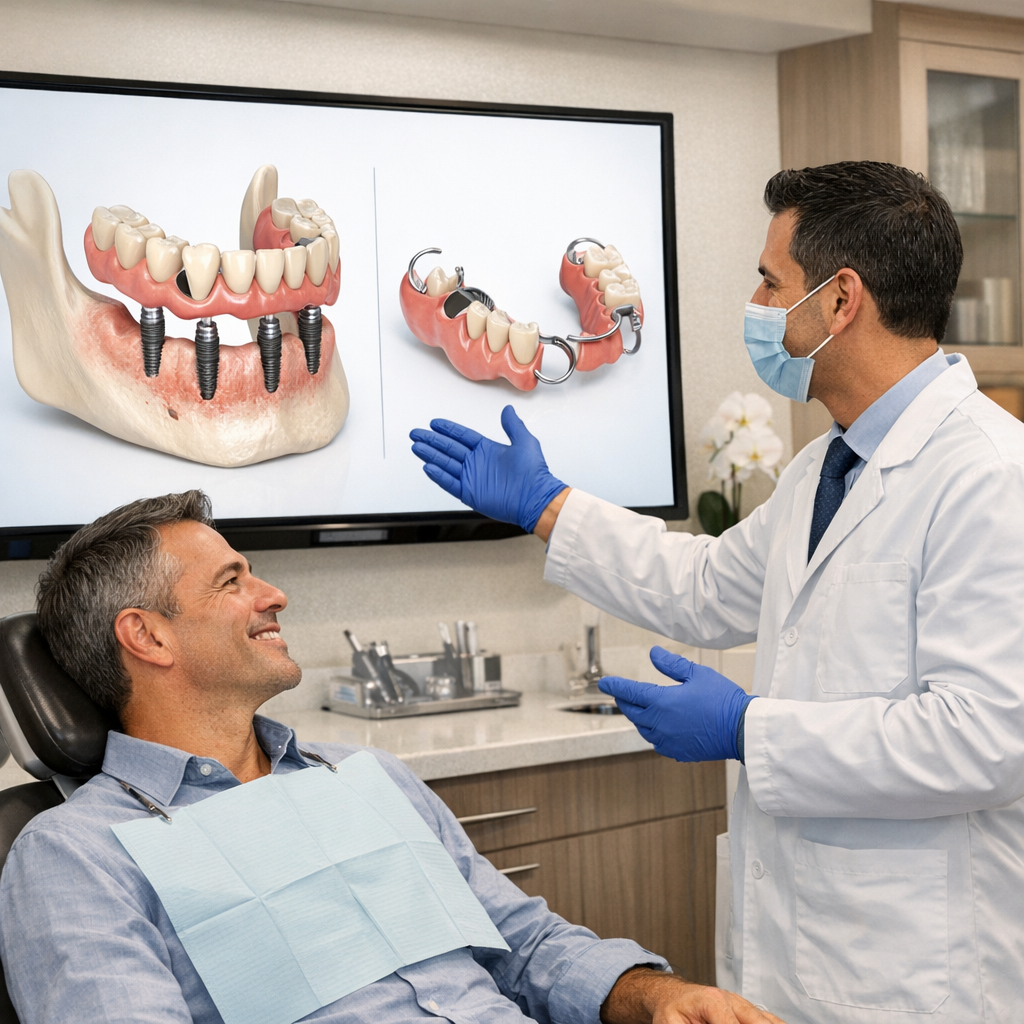
Implant-supported partial dentures use strategically placed dental implants to anchor a custom-made partial, helping you replace several missing teeth in one area with a solution that feels more secure than many traditional removable partials. By attaching the partial to implants instead of relying only on clasps and neighboring teeth, you can regain confident chewing, clearer speech, and a more natural-feeling bite.
At Beverly Hills Periodontics & Dental Implant Center, our focus on advanced implant techniques allows us to design implant-supported partials that are tailored to your smile, your bone structure, and your long-term oral health.
- Improved stability for eating and speaking compared with many removable partials
- May help preserve jawbone where teeth are missing
- No visible metal clasps on remaining teeth in many designs
- Custom treatment planning by a periodontal specialist focused on long-term oral health
Schedule a consultation to learn whether an implant-supported partial denture or another dental implant solution is the best fit for your needs.

Why consider an implant supported partial denture?
Implant-supported partial dentures combine the stability of dental implants with the broader coverage of a partial denture. For many people missing several teeth in a row, this approach can offer a middle ground between a traditional removable partial and a full-arch solution. It may be especially appealing if you want a secure, fixed-feeling option without committing to implants for every missing tooth.
At Beverly Hills Periodontics & Dental Implant Center, some patients travel specifically to Beverly Hills to explore this combination treatment because it can often be customized to very specific patterns of tooth loss.
Everyday comfort and function
Anchoring a partial denture to dental implants can reduce the rocking, slipping, and sore spots that some people experience with traditional removable partial dentures. Because the denture is supported by implants rather than just resting on the gums and clasping to neighboring teeth, it may feel more stable during daily activities.
This added stability can often make it easier to chew a wider variety of foods and to speak clearly, especially in situations where several teeth in a row are missing. For example, someone missing three back teeth on one side may find that an implant-supported partial helps distribute biting forces more evenly than a conventional removable partial alone.
Protecting remaining teeth and bone
Traditional bridge dental solutions often require reshaping the neighboring teeth to place crowns that support a dental bridge. An implant-supported partial denture may allow those adjacent teeth to remain more intact, because the implants themselves provide much of the support for the prosthesis instead of relying entirely on natural teeth.
Dental implants also help stimulate the jawbone where teeth are missing, which can slow bone loss over time in that area, although outcomes vary from person to person. In contrast, a removable partial that simply rests on the gums does not provide the same type of direct bone stimulation.
Aesthetic and lifestyle benefits
Because the prosthesis can be designed to attach to implants rather than relying solely on metal clasps, implant-supported partial dentures can often avoid visible clasps on front teeth. This may support a more natural-looking smile compared with some traditional partial denture designs.
In this Beverly Hills dental office, patients sometimes combine an implant-supported partial with cosmetic treatments such as veneers or bonding planned by their restorative dentist, creating a coordinated approach to both function and appearance. Another scenario might involve a patient who replaces missing lower molars with an implant-supported partial while enhancing the upper front teeth with cosmetic care for a more harmonious result.
The right choice between an implant-supported partial denture, a traditional removable partial, or a bridge dental option depends on how many teeth are missing, where they are located, the health of your gums and bone, and how your bite comes together. A thorough evaluation in a specialist dental office is essential to determine which approach may be safest and most appropriate for your individual situation.
How the implant supported partial denture process works
Every implant supported partial denture is customized, but most treatment plans move through a clear series of steps, from your first consultation to attaching your final restoration.
Comprehensive evaluation
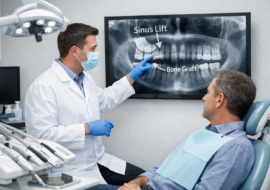
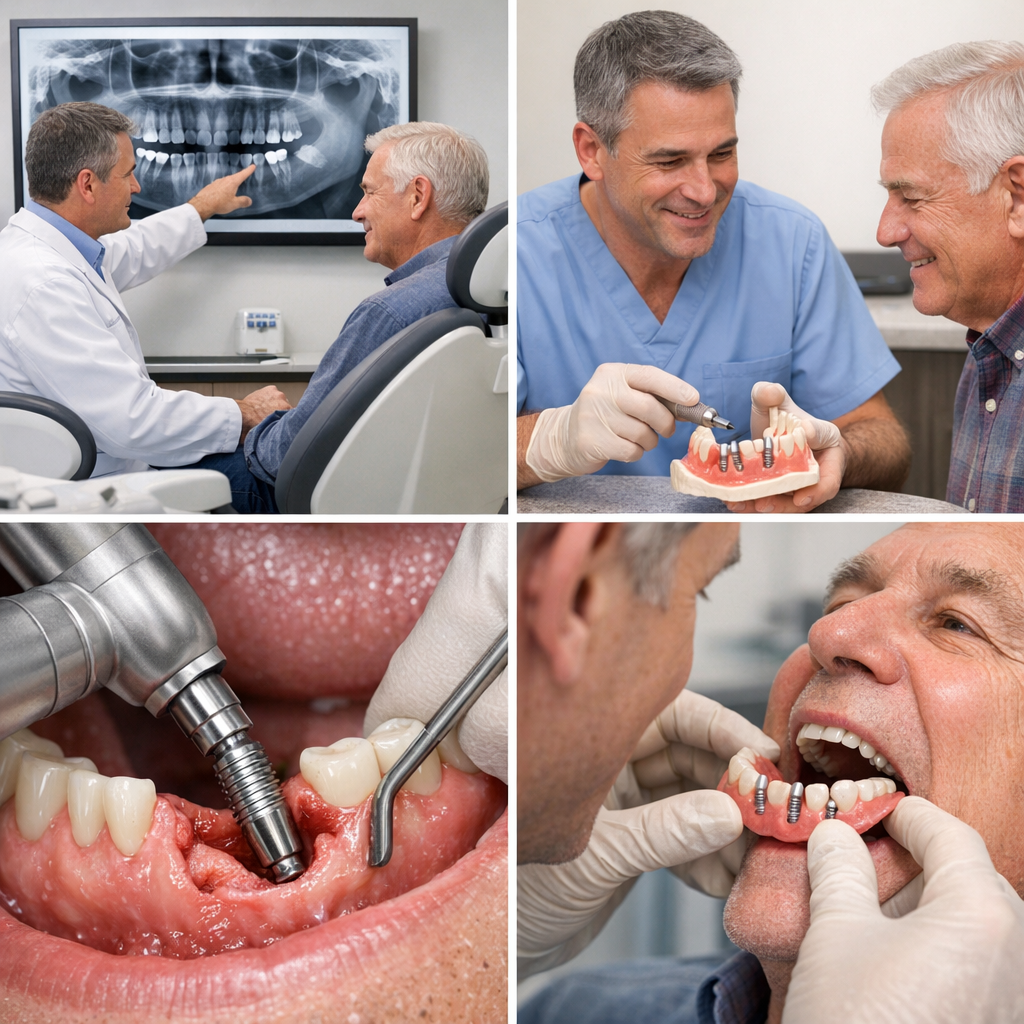
Your visit begins with a thorough exam that often feels similar to an in-depth dental check up, but with extra attention on bone levels, gum health, and the spaces where teeth are missing. Digital X-rays, 3D imaging, and a periodontal assessment are used alongside a review of your medical history to determine whether implants can safely support a partial denture.
Planning and cost discussion
Your periodontist collaborates with your restorative dentist to map out implant positions and the design of the partial denture so that it fits securely and looks natural. During this phase, you’ll also review the general factors that influence overall dental implant cost and the sequence of appointments, without locking you into a one-size-fits-all timeline.
Comfort-focused implant placement
On the day of surgery, implants are placed using a carefully planned, minimally invasive approach whenever possible. Your comfort is closely monitored, and you’ll receive detailed instructions for the first few days of healing. Depending on your situation, a temporary tooth or partial solution may be used so you are not left with visible gaps while the implants integrate with the bone.
Healing, check-ins, and maintenance
Healing times vary, but you can expect several follow-up visits so your periodontist can confirm that the implants are integrating as expected. These visits may include a dental cleaning around the area and personalized home-care coaching from a dental hygienist to help you keep the gums and implants as healthy as possible.
Attaching your custom partial denture
Once your implants have fully healed, your restorative dentist connects the custom-made partial denture to the implants and carefully adjusts the bite, fit, and appearance. You’ll leave with guidance on daily cleaning techniques and how often to schedule ongoing professional care so your new implant supported partial denture can stay comfortable and stable over the long term.
| Option | Best for | Key advantages | Things to consider |
|---|---|---|---|
| Implant-supported partial denture | Patients missing several teeth in a row who want a stable, removable option that feels more secure than a traditional partial. |
|
|
| Traditional removable partial denture | People looking for a non-surgical, typically lower initial cost option to replace multiple missing teeth. |
|
|
| Fixed dental bridge | Patients with strong teeth on either side of a gap who prefer a non-removable solution and are not ready for implants. |
|
|
| Other implant options (multiple implants, implant bridge, full-arch) | People seeking a more fixed, implant-based solution for several or all missing teeth, depending on bone quality and overall health. |
|
|
There is no one-size-fits-all answer for replacing multiple missing teeth, and the “best” choice is rarely based on price alone. Factors like bone quality, gum health, your comfort with surgery, and how you want your smile to look and function all matter, so it is important to rely on an in-person consultation—not just online comparisons, dental implant cost calculators, or advertisements—to understand which option aligns with your goals, budget, and coverage under any dental plans you may have.
Understanding dental implant supported partial denture cost
Many people begin their research by typing “dental implant cost” or “dental crown cost” into a search bar or trying a dental implant cost calculator. These tools can offer a rough starting point, but they cannot account for the specific details of an implant-supported partial denture designed for your mouth.
Key factors that influence your total investment include:
- The number and type of dental implants needed to securely support your partial denture
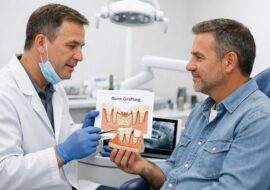
- Whether additional procedures such as bone grafting or soft tissue grafting are recommended to create a stable foundation
- The design, materials, and overall complexity of the partial denture itself
- Whether other restorative treatments, such as crowns or a dental bridge on nearby teeth, are part of your comprehensive plan
- The need for advanced imaging and any specialized surgical techniques to place your implants precisely
Implant-supported solutions typically involve a higher initial investment than some removable options, but they can offer important advantages in stability, comfort, and bone preservation that may make a meaningful difference over the long term.
Because every smile, jawbone, and treatment plan is unique, fees are finalized only after a thorough examination and careful planning. During your visit, our team will outline a personalized treatment plan with a detailed fee estimate and can review available payment options along with any applicable insurance benefits or health savings arrangements.
Any insurance coverage for implant-supported partial dentures varies by plan and is determined by your insurer; we can help you understand your benefits but cannot guarantee reimbursement.
To understand what an implant-supported partial denture would cost in your specific situation, we invite you to schedule a consultation so we can discuss your anatomy, goals, and timeline in detail.
Dental implant supported partial denture FAQs
Who is a good candidate for a dental implant supported partial denture?
Many people with several missing teeth in one area, generally healthy gums, and enough jawbone to support implants may be considered for an implant supported partial denture. Your overall health, oral hygiene habits, and goals all play a role, and a thorough exam with imaging is needed to confirm whether this option is appropriate for you.
How many implants are typically needed to support a partial denture?
The number of implants varies based on how many teeth are being replaced, your bite, and the quality and volume of your jawbone. Some implant supported partial dentures may be designed with as few as two implants, while others need additional implants to provide the stability and support your dentist recommends.
How long does it take to complete treatment for an implant supported partial?
Treatment usually takes several months because the implants need time to integrate with the bone before the final partial denture is attached. The exact timeline depends on your healing, whether additional procedures such as bone grafting are needed, and how quickly your custom prosthesis is designed and fabricated.
Will an implant supported partial denture feel bulky or loose?
Any new partial denture takes a short adjustment period, but many patients find that implant support helps it feel more secure than a traditional removable partial. If something feels bulky or rubs, your dentist can evaluate the fit and make careful adjustments to improve comfort.
How do I care for an implant supported partial denture long term?
Long-term success depends on daily cleaning around the implants and under the partial denture, just as you would clean natural teeth and gums. Regular dental checkups and professional cleanings allow your dentist to monitor your implants, adjust the partial as needed, and watch for any changes in fit, wear, or gum health over time.
Explore your options for replacing multiple missing teeth
An implant-supported partial denture can provide added stability, help protect your remaining teeth, and support long-term oral health when it is carefully planned and placed by a specialist team. Thoughtful treatment design allows your restoration to look natural, feel secure, and integrate with your overall smile.
Comparing every option online can feel overwhelming, especially when you are weighing comfort, appearance, and cost. A one-on-one consultation gives your periodontist the opportunity to review X-rays, understand your goals, and outline a personalized plan. Many patients from Beverly Hills, Los Angeles, and around the world choose this center specifically for complex implant and partial denture cases.
Schedule a consultation or contact our team today to discuss whether an implant-supported partial denture or another implant solution is the right fit for your smile.
Related Services
- Dental Implant Bridge
Useful for patients deciding between an implant-supported partial denture and an implant bridge to replace several missing teeth in a row.
- same day dental implants
Relevant for visitors wondering if they can receive implants and a temporary restoration in a single visit as part of their overall plan.
- immediate dental implants
Helpful for those interested in having implants placed right after tooth extraction and how that might integrate with a future partial denture.
- dental implant complications
Important for readers who want to understand potential risks and how a specialist manages complications before committing to implant-supported treatment.
Related Articles
- Multiple Implants
Helpful for readers who want to understand how multiple dental implants can work together to replace several teeth, including when combined with partial dentures or bridges.
- Dental Implants West Hollywood
Useful for those comparing single and multiple implant options and wanting a deeper dive into the implant process from a periodontal specialist.
- Q&As about Tooth Extraction and Dental Implants
Ideal for visitors who still need extractions and want detailed answers about timing and sequencing with dental implants.
- One-Day Implants
Relevant for patients curious whether same-day implant approaches could be part of their treatment plan before receiving a partial denture.