
Platelet-Rich Plasma vs Platelet-Rich Fibrin: Key Differences in Dental Treatment
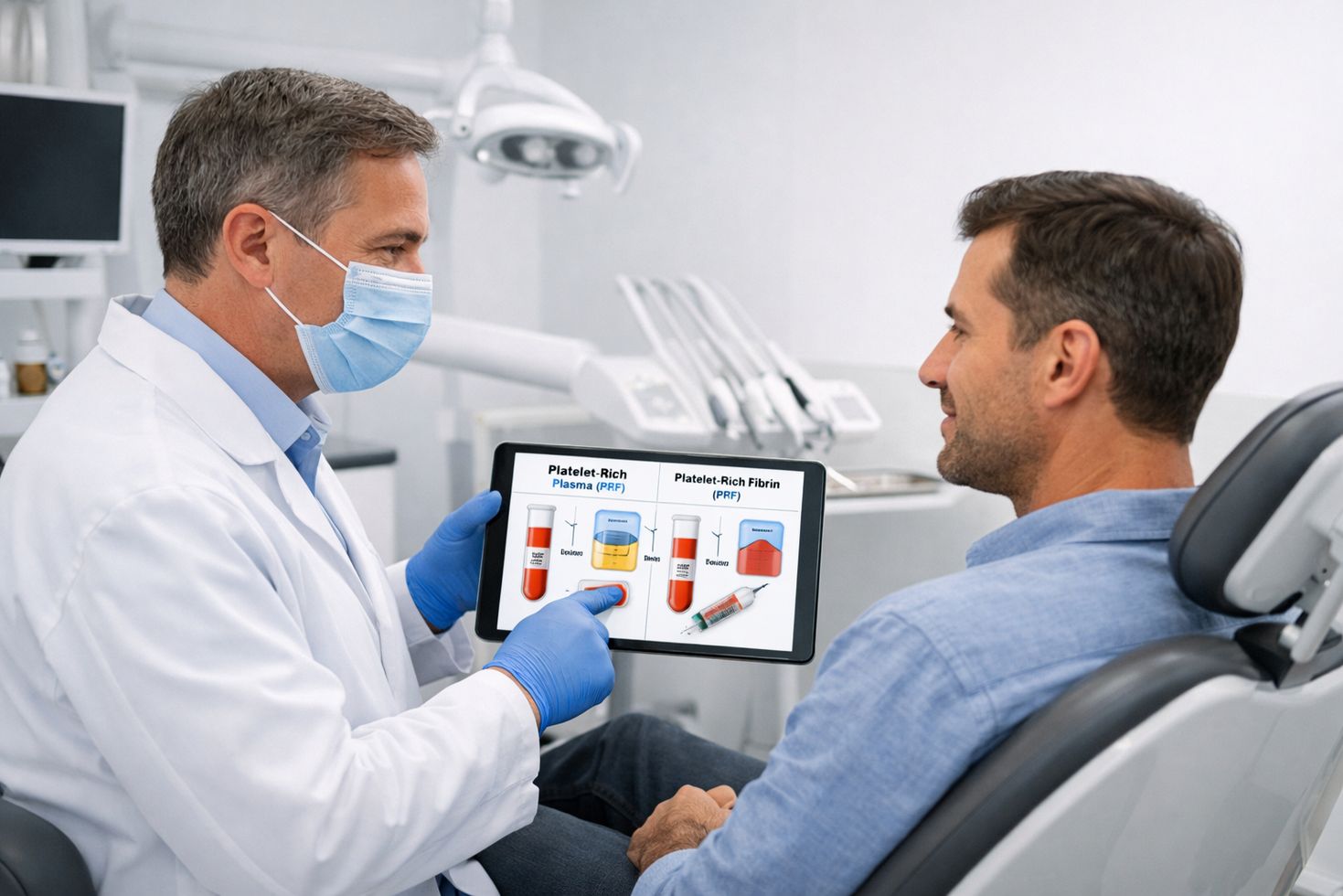
PRP vs PRF in dentistry is a comparison of two healing-support materials made from a patient’s own blood. Both are autologous platelet concentrates, which means they are prepared from your blood sample and then used in selected dental and periodontal procedures to support the body’s normal healing response. While they are similar in that basic purpose, they differ in how they are prepared, what they contain, and how they are commonly used in clinical settings.
In dental care, PRP and PRF may be considered for procedures such as tooth extractions, implant treatment, bone grafting, and periodontal therapy. The choice between them depends on the procedure, the clinician’s approach, and the specific treatment goals. This comparison gives a balanced, dental-focused overview without overstating benefits or promising outcomes.
What This Comparison Covers
Below, you’ll find a clear look at how PRP and PRF are prepared, the biological differences between them, where each may fit into dental and periodontal care, practical considerations patients often ask about, and common questions that come up when comparing these two options.
What Are Autologous Platelet Concentrates?
Autologous platelet concentrates are healing materials made from a patient’s own blood. In simple terms, a small blood sample is processed so the parts most involved in tissue repair can be concentrated and used during selected dental procedures. This category includes options such as PRP and PRF, which are often discussed in periodontics, extractions, grafting, and implant-related care.
The word autologous means the material comes from you, not a donor. That matters because it allows clinicians to work with your body’s own natural healing components. Platelets are best known for helping blood clot, but they also release growth factors, which are signaling proteins that may support the body’s repair response. Fibrin is another important part of the picture. It forms a soft matrix or scaffold that can help hold the concentrate together and support the early stages of healing.
For patients exploring treatment options, understanding these basics can make conversations about surgical planning easier, including topics related to cosmetic dental procedure planning and expectations. These materials are not automatically appropriate for every patient or every procedure, but they are commonly used when a clinician believes they may support healing in a targeted way.
Platelets, Growth Factors, and Healing Support
When platelets are concentrated, they carry a higher amount of the signaling molecules involved in tissue repair. In dentistry, clinicians may place these concentrates in a treatment area to support the body’s normal healing response. The goal is not to promise a specific outcome, but to use naturally derived materials that may be helpful in selected cases.
Why Dentistry Uses These Materials
Dentists and periodontists may use autologous platelet concentrates during periodontal surgery, after tooth extractions, around bone grafts, or in implant-related procedures. In these settings, the concentrates may help support soft tissue and site management while fitting into a broader treatment plan designed around the patient’s needs.

PRP vs PRF: The Key Differences
When comparing PRP vs PRF, the main differences come down to how each is prepared, what form it takes, and how it may be handled during treatment. In simple terms, PRP is platelet-rich plasma prepared to concentrate platelets within plasma, while PRF forms a fibrin-rich matrix through a different processing approach. For patients researching platelet-rich fibrin vs prp, it helps to know that both are used in regenerative dentistry, but they are not identical materials. You can learn more about platelet rich fibrin treatment in dentistry as part of a broader care plan.
How Preparation Methods Differ
PRP and PRF both begin with a small blood sample, but the processing method is different. PRP is commonly prepared to separate and concentrate platelets in the plasma portion of blood. PRF, by contrast, is designed to form a fibrin-rich material rather than remain primarily liquid. The exact centrifugation steps, timing, and collection method can vary based on the clinician, the equipment used, and the treatment goal, so protocols are not exactly the same in every office.
How Composition and Structure Differ
One of the clearest distinctions is texture. PRP is generally more fluid, which can make it easier to apply where a liquid preparation is useful. PRF has more of a fibrin structure or matrix, which can give it a different feel and handling profile during a dental procedure. Because of that structure, PRF may be placed in a site more like a supportive biologic layer, while PRP may be used where a concentrated plasma preparation is preferred.
How Growth Factor Release May Differ
In broad terms, PRF is often discussed as providing a fibrin scaffold that may support a more gradual release pattern, while PRP is commonly described as a concentrated platelet preparation within plasma. That does not mean one option is always better. Instead, the choice can depend on the procedure, the site being treated, and how the clinician wants to place and manage the material.
How PRP and PRF Are Used in Dental Treatment

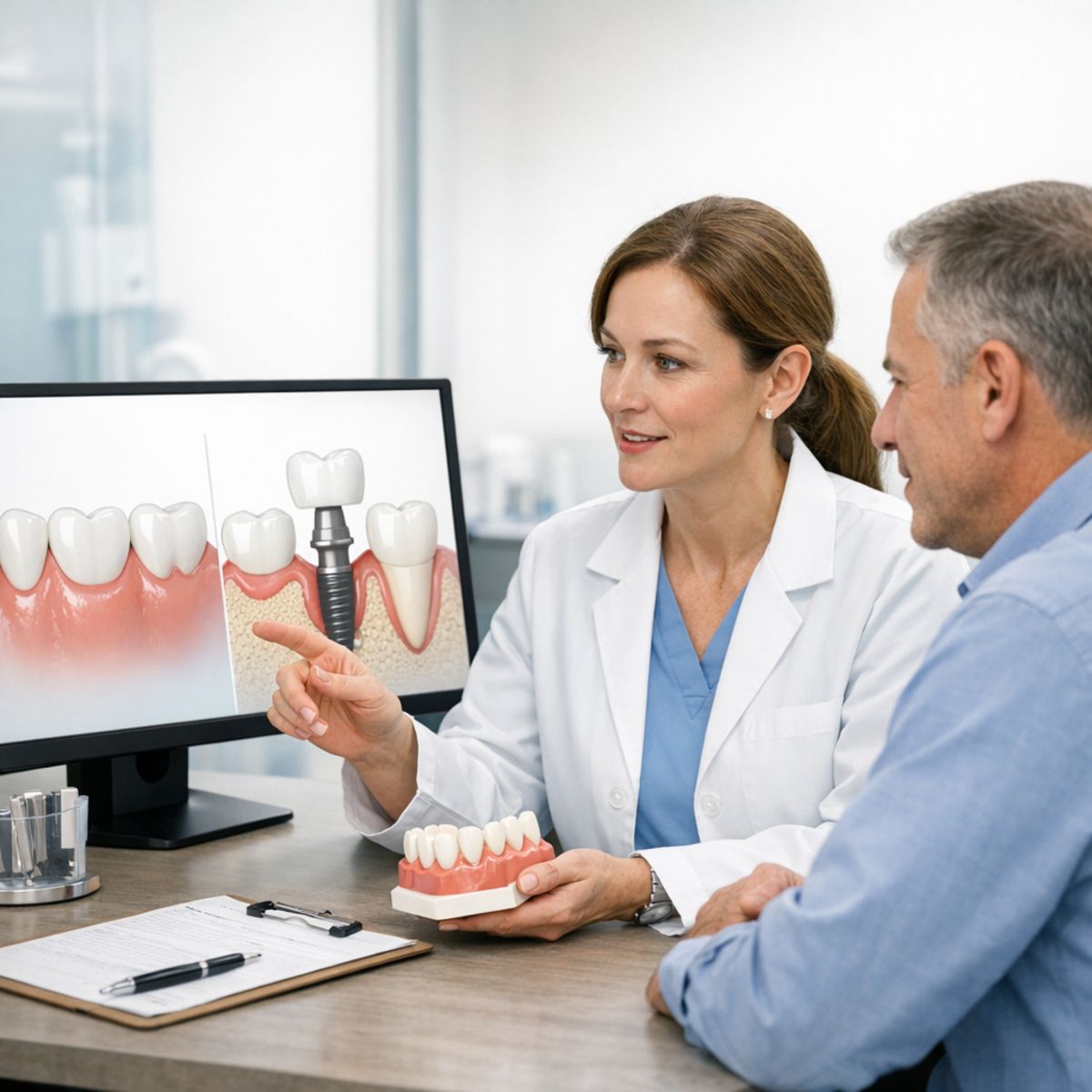
In dentistry, PRP and PRF are considered adjuncts that may be used in selected procedures to support site management and healing. Their role depends on the clinical situation, the condition of the tissues, and the goals of treatment. When discussing platelet rich plasma indications and platelet rich fibrin uses, it is helpful to focus on practical dental scenarios rather than treating them as one-size-fits-all solutions.
Bone Grafting and Implant-Related Procedures
Clinicians may use platelet concentrates alongside bone grafting or implant planning when they want added biologic support during surgical care. In some cases, PRF may be chosen for its handling characteristics and membrane-like scaffold effect, while PRP may be considered when a faster release of growth factors better matches the treatment objective. These materials may be used in extraction socket preservation, ridge development, or more complex planning such as sinus augmentation before dental implants. They do not replace careful diagnosis, graft selection, or surgical technique, and they are not necessary in every implant case.
Periodontal and Soft Tissue Procedures
In periodontics, PRP or PRF may be considered during selected gum and soft tissue procedures where the clinician wants additional biologic support at the surgical site. Examples can include flap procedures, treatment around periodontal defects, or soft tissue management where a stable clot and scaffold may be helpful. The choice between materials often comes down to handling needs, tissue goals, and the specifics of the defect being treated. For some patients, these options may also be part of broader restorative planning that includes implant supported partial denture options.
Extraction Sites and Surgical Recovery Support
After extractions or other oral surgery, platelet concentrates may be placed in the surgical area as part of an individualized treatment plan. A dentist or periodontist may consider them when managing extraction sites, supporting grafted areas, or aiming to improve local tissue conditions during recovery. Outcomes vary from patient to patient based on overall health, the condition being treated, and the procedure performed. That is why treatment planning is individualized: the best approach depends on the surgery, the tissues involved, and the clinician’s goals for healing and long-term function.
How a Periodontist Decides Between PRP and PRF
A periodontist usually does not choose PRP or PRF by preference alone. The decision is based on the procedure being performed, the tissue response the clinician wants to support, how the material needs to be handled during treatment, and patient-specific findings from the exam. In other words, the choice is case-specific rather than one-size-fits-all.
1. Identify the Procedure and Tissue Goals
The first step is to look at the planned procedure. A clinician may consider whether the priority is soft tissue support, graft stability, socket management, or another surgical objective. Those goals help shape which biologic option may fit the situation more naturally.
2. Consider Handling and Placement Needs
Next, the periodontist considers how the material needs to function during surgery. The physical form, placement method, and how it integrates into the procedure can all influence the recommendation. This is one reason two patients receiving different treatments may hear different suggestions.
3. Review Patient-Specific Factors
Medical history, oral condition, healing considerations, and the overall treatment plan also matter. A periodontist will review these details to decide whether a biologic aid is appropriate and, if so, which option may align best with the case. Only an in-person evaluation can determine suitability.
Patients can ask why one option is being recommended, what treatment goal it supports, and how it fits the planned procedure. If you want to learn more about platelet rich fibrin, it can help to review the basics before your consultation.

Practical Considerations Patients Should Know
For many patients, the most important questions are practical ones: what happens during the visit, how the process fits into the procedure, and what the overall cost may look like. In general, both PRP and PRF involve drawing a small amount of your own blood, which is then prepared according to the planned treatment. The exact timing and workflow can vary based on the procedure being performed and the office’s protocol.
What the Appointment Process May Involve
In many cases, the blood draw and preparation are built into the same surgical or treatment visit rather than scheduled as a separate appointment. Some patients may find that this adds a few steps to the day, while others may notice very little difference in the overall flow. Your provider may explain when the sample is collected, how it is prepared, and how it fits into the planned procedure so you know what to expect. If your treatment also includes another periodontal procedure, it can help to review related guidance on what to expect from crown lengthening.
Why Cost Can Vary
Costs can vary from patient to patient because pricing depends on several factors, including the procedure being performed, the materials involved, and the overall treatment plan. Case complexity and the number of services provided during the visit may also affect the final fee. Rather than assuming a standard price, patients are usually best served by getting a personalized recommendation and estimate after an exam and consultation. This helps set realistic expectations and reduces uncertainty about the process.
Quick Summary: PRP vs PRF in Dentistry
PRP vs PRF in dentistry can be summed up simply. PRP is plasma-based and is processed to concentrate platelets in a liquid form. PRF is also derived from blood, but it forms a fibrin matrix that can hold platelets and growth factors in a more structured way.
In dental care, both may be used to support healing after procedures. The main difference is how each material is prepared and how it behaves once placed in the treatment area. PRF is often discussed for its fibrin scaffold, while PRP is known for its plasma-based concentration.
The right option depends on the procedure, treatment goals, and patient factors. For a closer look at applications and process, review platelet rich fibrin dental treatment details.
Frequently Asked Questions
What is the difference between platelet-rich plasma and platelet-rich fibrin?
PRP and PRF are related but different blood-derived materials. In simple terms, PRP is prepared as a platelet-rich plasma, while PRF forms a fibrin-rich matrix. They also differ in how they are processed and handled during treatment.
Is PRF the same as PRP in dentistry?
No. PRF is not the same as PRP, even though both are made from a patient’s own blood and may be used to support healing in dental care. They are best understood as similar categories of regenerative materials, not identical products.
Why might a dentist or periodontist choose PRF instead of PRP?
The choice may depend on the procedure, the way the material needs to be handled, and the treatment goals. In some dental settings, clinicians may use PRF more often because its fibrin structure can be useful for certain surgical applications, but that does not mean it is always preferred.
Are PRP and PRF used for dental implants and bone grafting?
Yes, both may be used in implant-related procedures and bone grafting, depending on the case. Whether either option is appropriate depends on the treatment plan, surgical goals, and the clinician’s judgment after evaluation.
Is one option always better for healing?
No single option is always better for every patient or procedure. Healing can vary based on the type of treatment, the patient’s health, the oral condition being treated, and how the material is used as part of the overall plan.
Can everyone have PRP or PRF during dental treatment?
Not always. Candidacy depends on factors such as medical history, medications, blood-related considerations, and the specific dental procedure. A dentist or periodontist can determine whether PRP or PRF may be suitable only after an in-person evaluation.
Choosing the Right Approach Starts With the Right Evaluation
PRP and PRF are both derived from your own blood, but they differ in structure, handling, and the clinical role they may play during dental treatment. In many cases, the best choice depends on the procedure being performed, your healing goals, and your individual needs. A thoughtful evaluation helps determine whether either option may be appropriate and how it fits into your overall treatment plan. If you would like personalized guidance, you can request an appointment.



Recent Comments