Month: <span>August 2026</span>

Dentist explaining crown lengthening procedure to adult patient in a bright, modern dental clinic with dental equipment

Crown Lengthening: Procedure, Types, Recovery, and Alternatives

Crown lengthening is a dental procedure that reshapes gum tissue and, in some cases, a small amount of bone to expose more of the natural tooth. Patients often search for crown lengthening when they want to improve the look of a gummy smile or when a dentist needs better access to treat decay, a fracture, or place a restoration near the gumline. In simple terms, it can serve both cosmetic and functional goals.

For some people, the main concern is esthetics and creating a more balanced smile. For others, the reason is restorative: there may not be enough visible tooth structure above the gums for a filling, crown, or other treatment to be completed predictably. The right approach depends on your anatomy, oral health, and the condition of the tooth involved.

This guide is designed to explain the basics in clear, patient-friendly language. It can help you understand why crown lengthening may be recommended, what the procedure generally involves, and what recovery may look like. However, treatment decisions should always be based on an in-person periodontal evaluation, since outcomes and recommendations vary from one patient to another.

What this guide covers

Below, you’ll find a straightforward overview of what crown lengthening is, the different reasons it may be performed, what happens during the procedure, what recovery typically involves, possible alternatives, and answers to common patient questions.

What Is Crown Lengthening?

Crown lengthening is a dental procedure that exposes more of your natural tooth by carefully reshaping the surrounding gum tissue and, in some cases, adjusting a small amount of the supporting bone. In simple terms, it helps reveal more visible tooth structure when too much of the tooth is covered by gum tissue or when a dentist needs better access to healthy tooth structure for treatment.

This can be important for both appearance and function. Some patients seek crown lengthening to improve a “gummy” smile, while others need it so a tooth can properly support a filling or dental crown. Periodontists plan treatment carefully to protect long-term gum health, paying close attention to gum symmetry, the space the tissues need to remain healthy, and the stability of the tooth over time.

Why the term can be confusing

The word “crown” can mean two different things in dentistry. It may refer to the natural crown of the tooth, which is the part you normally see above the gumline, or it may mean a dental crown, which is a tooth-shaped restoration placed over a damaged tooth. Crown lengthening does not lengthen the tooth itself. Instead, it makes more of the natural tooth visible by adjusting the tissues around it.

When bone contouring may be part of treatment

Not every case requires bone removal. In some situations, gum reshaping alone is enough. In others, a small amount of bone contouring may be recommended to create healthy space around the tooth and support proper healing. Whether that is needed depends on your specific condition, the position of the gum tissue, and what is necessary to preserve periodontal health while exposing more tooth structure.

side-by-side dental illustration showing gum reshaping results in a clinical educational setting

Why Crown Lengthening May Be Recommended

Crown lengthening may be recommended for more than one reason, and the decision is usually based on the specific tooth, the surrounding gum tissue, and the overall treatment plan. In some cases, the goal is esthetic, such as reducing the appearance of a gummy smile, improving visible tooth proportions, or creating better gum symmetry. In others, the purpose is restorative, helping a dentist gain access to healthy tooth structure when decay, a fracture, or an older restoration extends close to the gumline.

You may also see discussions of crown lengthening before and after when researching treatment, but results can vary widely from person to person. The most appropriate approach depends on factors like tooth position, gum levels, bone support, and overall oral health. Rather than aiming for a one-size-fits-all outcome, treatment recommendations are typically individualized to support both appearance and long-term function where appropriate.

Esthetic goals

For some patients, crown lengthening is considered when excess gum display makes teeth appear shorter or less proportionate. Adjusting the gumline in selected areas may help create a more balanced frame around the teeth and improve symmetry across the smile. These recommendations are made conservatively and with attention to how the gums, teeth, and supporting structures relate to one another.

Restorative and structural reasons

In restorative situations, crown lengthening may be used to expose enough tooth structure for a filling, crown, or other restoration to be placed more predictably. This can be important when decay, fracture lines, or existing dental work extend near or below the gumline. In selected cases, it may also help create a healthier environment for restoration margins, supporting cleaning access and long-term maintenance. The recommendation depends on the condition of the tooth and whether preserving it is practical within the broader treatment plan.

Decision-tree infographic showing four common reasons for crown lengthening.

Crown Lengthening Types and How They Differ

Understanding crown lengthening types can make it easier to see why one treatment plan may look different from another. In general, the procedure is tailored to the reason for treatment, the amount of tooth structure that needs to be exposed, and the relationship between the gums, bone, and teeth. Some cases are planned to improve smile balance, while others are designed to help support a restoration such as a filling or crown. The final recommendation depends on clinical measurements, imaging, and anatomy rather than a one-size-fits-all approach.

Esthetic vs functional crown lengthening

Esthetic crown lengthening is typically focused on smile design. The goal may be to reduce a gummy appearance, improve gum symmetry, or create proportions that look more balanced from tooth to tooth. Planning priorities often include how much tooth shows when smiling, the contour of the gumline, and how the result fits the overall facial appearance.

Functional crown lengthening is usually performed to expose more healthy tooth structure so a dentist can place or retain a restoration more predictably. In these cases, success is measured less by cosmetic symmetry alone and more by whether the tooth can be restored while respecting the surrounding tissues. That is why functional treatment may look more conservative in some areas and more involved in others.

Soft-tissue only vs crown lengthening with bone contouring

Another key comparison among crown lengthening types is whether the procedure involves soft-tissue recontouring only or includes bone reshaping as well. Soft-tissue-only treatment may be appropriate when the gum position can be adjusted without creating problems for tissue stability. This approach is generally selected based on the existing anatomy, not simply because it sounds easier.

When the supporting bone is too close to the planned edge of the gum or restoration, osseous crown lengthening may be recommended. In that situation, reshaping bone can help create the space needed for long-term tissue health and restorative success. This is one reason treatment plans are not interchangeable from patient to patient.

If your case involves broader periodontal or structural concerns, it may also help to understand related procedures such as bone graft procedure healing and types. Overall, the right approach is based on careful evaluation, with imaging and clinical measurements guiding whether the treatment is esthetic, functional, soft-tissue only, or combined with bone contouring.

How Crown Lengthening Typically Works

Periodontist reviews digital dental X-rays and gumline measurements with patient in modern consultation room

Crown lengthening usually begins with a careful evaluation and then moves through treatment, healing, and follow-up over time. The exact approach can vary by case, but understanding the typical sequence can make a consultation feel more straightforward and help you know what questions to ask.

Step 1: Evaluation and treatment planning

The first step is an exam focused on your gumline, tooth structure, and overall periodontal health. A clinician may take periodontal measurements and review imaging as needed to see how much tooth is available above and below the gumline. This planning stage helps determine whether crown lengthening is appropriate based on your anatomy, oral health, and the reason for treatment.

During this visit, the discussion often includes your goals, the current tissue levels, and whether reshaping soft tissue alone may be enough or whether bone contouring might also be indicated. You may also review limitations, expected changes in gum position, and how the procedure fits into a larger restorative or cosmetic plan.

Step 2: What happens during the procedure

On procedure day, local anesthesia is commonly used to help keep the area comfortable. The gum tissue is then reshaped to expose more of the tooth. In some situations, the underlying bone is also contoured to create the space needed for long-term tissue health and restoration support. Depending on the case, sutures or a protective dressing may be placed afterward.

Before you leave, you are typically given home-care and recovery instructions. These may include guidance on cleaning, eating, activity, and what to expect in the first several days. Comfort measures can vary from one patient to another.

Step 3: Follow-up and tissue stabilization

Follow-up visits are used to check healing, remove sutures when appropriate, and monitor how the tissue is settling. Final gum contours and readiness for any next restorative step may take time to evaluate, so the timeline is not the same for everyone. In most cases, the process is monitored gradually to support healthy healing and a stable result.

Recovery and Crown Lengthening Aftercare

What to expect after treatment

Recovery can look a little different from one person to another. The tooth involved, the amount of gum reshaping performed, and your overall oral health can all affect how you feel afterward. In general, it is common to notice some swelling, tenderness, or temporary sensitivity in the treated area. Mild soreness while eating or brushing near the site may also occur for a period of time.

Because healing patterns vary, crown lengthening aftercare should be guided first by the instructions from your treating dental professional. They may tailor recommendations based on whether the procedure was done for restorative, cosmetic, or periodontal reasons.

General aftercare tips

A few broad aftercare themes are often helpful. Oral hygiene may need to be modified temporarily, such as cleaning gently around the area and using any rinse or other products exactly as directed. Food choices may matter too, with softer foods often being easier at first while the area feels tender. Some people are also advised to avoid vigorous activity for a short time and to take medications only as prescribed or recommended by their clinician.

Try not to compare your experience too closely with someone else’s, and keep any scheduled follow-up visits so your provider can check healing and answer questions. If you notice unexpected symptoms, worsening discomfort, or anything that concerns you, contact your treating office for personalized guidance.

Infographic timeline showing stages of recovery with icons for rest, healing, hygiene, food, and follow-up.

Crown Lengthening Alternatives and Important Limitations

When patients ask about crown lengthening alternatives, the right answer depends on why the teeth or gums look the way they do in the first place. Not every gummy smile, short-looking tooth, or restorative concern is treated the same way. In some cases, a specialist may discuss orthodontic movement, restorative redesign, veneer or crown planning, or other periodontal approaches instead of surgery.

Why alternatives depend on the underlying cause

Recommendations often change based on factors such as altered passive eruption, tooth wear, lip position, gum levels, and bone levels. A person with excess gum coverage may need a different plan than someone whose teeth appear short because of wear or because access is needed for a restoration. That is why diagnosis comes before treatment selection. Financial planning can also be part of the conversation, so some patients may want to compare dental insurance quotes carefully while reviewing options.

Why online before-and-after photos have limits

Online examples, including crown lengthening images, can be helpful for general education, but they are not a substitute for an exam. Photos do not show bone contours, bite relationships, healing patterns, or the patient’s long-term restorative goals. Two smiles that look similar online may require very different treatment plans in person, so internet comparisons should guide questions for a consultation, not self-diagnosis.

Dentist and patient reviewing digital smile analysis with gumline and tooth proportions on a clinic monitor

Frequently Asked Questions About Crown Lengthening

Is crown lengthening only cosmetic?

No. Crown lengthening may be performed to improve the appearance of a gummy smile, but it can also help expose more tooth structure for restorative treatment such as a crown or filling. The reason for treatment depends on the tooth, gums, and overall treatment goals.

How do periodontists decide whether bone contouring is needed?

That decision is usually based on the position of the gum tissue, the underlying bone, the amount of exposed tooth needed, and restorative goals. Measurements and an in-person exam help determine the most appropriate approach, so it is not something that can be confirmed reliably without evaluation.

What is the difference between crown lengthening and a gingivectomy?

A gingivectomy removes gum tissue only. Crown lengthening may involve reshaping gum tissue and, in some cases, adjusting the bone around the tooth to create the space needed for health, function, or restoration.

How long does crown lengthening recovery take?

Recovery can vary based on the extent of the procedure, the area treated, and individual healing patterns. Many patients improve steadily over time, but your treating clinician is the best source for guidance on what to expect in your specific case.

Are there alternatives to crown lengthening?

Sometimes, yes. Depending on the reason treatment is being considered, alternatives may include orthodontic movement, restorative changes, or other periodontal approaches, but not every option is suitable for every patient.

Can I judge my results from crown lengthening before and after photos online?

Before and after photos can be helpful for general education, but they are not a prediction of your outcome. Gum shape, tooth anatomy, smile line, and healing response vary, so a personalized evaluation is the best way to understand what may be realistic for you.

When to Schedule a Professional Evaluation

If you have concerns about a gummy smile, need restorative treatment near the gumline, or want to understand whether crown lengthening may be appropriate for your needs, a professional evaluation can help clarify your options.

An individualized consultation allows for careful planning, a discussion of comfort-focused care, and guidance tailored to your oral health goals.

Request an Appointment

Key Takeaways on Crown Lengthening

Crown lengthening is a procedure that may be recommended to expose more of a tooth for restorative or cosmetic reasons, and the right approach depends on your anatomy, oral health, and treatment goals. In some cases, alternatives may be considered, and recovery expectations can vary from person to person.

A balanced next step

Online information can help you understand the basics, but it cannot replace an in-person evaluation. If crown lengthening has been suggested or you are wondering whether it is appropriate for your situation, a qualified dental professional can assess your needs and explain the most suitable next steps.

Dentist discussing teeth removal with adult patient in a clean, modern dental clinic, dental X-ray visible on monitor

Dental Teeth Removal: When It’s Needed and What to Expect

Dental teeth removal is a common procedure that may be recommended when keeping a tooth is no longer the healthiest or most predictable option. In many cases, dentists first consider whether a tooth can be preserved, but the right decision depends on a careful clinical evaluation. Factors such as the condition of the tooth, gum health, bone support, symptoms, and overall treatment goals all help guide the recommendation.

For many patients, the idea of an extraction brings understandable concerns about pain, healing, and what comes next. A balanced, patient-focused approach is important: some teeth can be restored successfully, while others may be better removed to protect long-term oral health or support future treatment. An in-person assessment is the best way to determine which option fits your situation.

This overview explains the main reasons for removal, what the procedure typically involves, what recovery may look like, and which replacement options may be considered afterward.

Why people look into tooth extraction

People often search for information about tooth extraction because they are dealing with pain, a badly damaged tooth, signs of infection, loose teeth, crowding, or treatment planning for dentures, implants, or orthodontic care. These situations can feel stressful, but the reasons for removal vary widely, and not every problem leads to extraction. The goal is to understand the cause, review the available options, and choose the treatment that best supports comfort, function, and long-term oral health.

What Dental Teeth Removal Means

Dental teeth removal means taking a tooth out of its socket in the jaw when a clinician determines extraction is appropriate. In plain language, it is the process used when a tooth cannot be kept in place safely or predictably, or when removal supports overall oral health planning. The exact approach depends on where the tooth sits, how much of it is visible above the gumline, and how firmly it is anchored.

A dentist or oral surgeon typically numbs the area with local anesthesia before starting. Instruments are then used to loosen the tooth and guide it out carefully. Some teeth are easier to remove because they are fully erupted and easy to reach, while others need more planning because they are broken, below the gum, or positioned at an angle.

Simple extraction vs surgical extraction

A simple extraction usually refers to removing a tooth that is visible in the mouth and can be accessed directly. A surgical extraction is used when extra access is needed, such as when the tooth has not fully erupted, has broken near the gumline, or is difficult to reach. In some cases, the gum may need to be opened or the tooth may be removed in sections. This does not mean one method is always better than the other; they are different techniques chosen for different clinical situations.

Where wisdom teeth fit into the conversation

Teeth removal wisdom searches often relate to wisdom teeth because these back teeth may require different planning than a fully erupted tooth you can easily see. Depending on the evaluation, wisdom teeth removal may involve concerns such as position, available space, or how easy the area is to keep clean. That is why dental teeth removal can range from straightforward to more involved, even though the basic goal remains the same: safe tooth extraction based on clinical findings.

Infographic comparing simple and surgical tooth extraction visually, highlighting tooth visibility and gum access.

How the Dental Teeth Removal Process Works

Dentist explains tooth extraction steps on monitor with dental X-rays in modern operatory

Understanding how dental teeth removal works can make the experience feel more manageable. While every case is different, the process usually follows a clear sequence designed around your comfort, safety, and the condition of the tooth. The exact approach depends on whether the tooth is fully erupted, broken at the gumline, infected, or impacted.

Before the procedure

The visit typically begins with an exam and dental imaging so the clinician can see the tooth, roots, and surrounding bone. They will also review your medical history, current medications, allergies, and any symptoms such as swelling or pain. Based on those findings, the dentist will explain whether a simple extraction or a more involved surgical approach is recommended. Anesthesia planning is also part of this step, so you know what type of numbing or comfort-focused technique may be appropriate for your needs, although individual experiences can vary.

During the procedure

Once the area is numb, the dentist begins the extraction. For a tooth that is visible and accessible, this may involve gently loosening it before removal. If the tooth is broken, severely damaged, or impacted, the clinician may need to use a surgical technique, which can include carefully accessing the area and sectioning the tooth into smaller parts for safer removal. Throughout the procedure, the team works to protect the surrounding tissue and keep you informed about what is happening.

Immediately after extraction

After the tooth is removed, gauze is usually placed over the site so you can apply gentle pressure and help a blood clot form. You may be given instructions about changing gauze, limiting strenuous activity, eating softer foods, and avoiding actions that could disturb the area. Following these directions closely matters because it supports the early stages of recovery and helps reduce the chance of complications. Your dentist may also review what symptoms are expected and when to call the office with concerns.

How to Prepare for Tooth Removal and Support Recovery

A smoother experience often starts with good preparation and careful follow-through afterward. Your own dental team’s instructions should always come first, but these general steps can help you get ready and support recovery in a practical way.

1. Prepare before your appointment

Before the procedure, share your current medications, supplements, medical conditions, allergies, and any symptoms you have noticed. It is also helpful to mention past reactions to dental treatment or sedation. Bring any requested paperwork and review written instructions ahead of time so you know what to expect.

If sedation is planned, arrange transportation in advance. Many patients also find it useful to prepare soft foods, clear their schedule for rest, and set up a comfortable recovery space at home.

2. Follow recovery instructions carefully

After tooth removal, follow the written instructions from your clinician closely. In general, recovery support may include resting, choosing softer foods, staying hydrated as directed, and being gentle with oral hygiene around the area. Avoid actions that could disturb the site, and ease back into normal activity based on your provider’s guidance.

Healing can vary from person to person, so avoid comparing your experience to someone else’s. If you are also exploring longer-term replacement planning, you can review financing options for dental implants.

3. Know when to contact your dental team

If you have concerning symptoms, unexpected changes, or questions about what is normal for your situation, contact your dental team promptly. They can advise you based on your health history, the procedure performed, and how your recovery is progressing.

Five-step recovery process illustrated with icons for preparation, care, eating, hygiene, and reminders.

What Happens After a Tooth Is Removed? Replacement Options to Consider

A tooth extraction is sometimes the end of treatment, but in many cases it is one step in a larger restorative plan. Whether a missing tooth should be replaced depends on its location, your bite, chewing needs, surrounding teeth, and overall oral health. In some situations, leaving the space untreated may contribute to shifting teeth, changes in how you chew, or added stress on nearby teeth over time.

Why replacement may matter

Replacement may help support function, spacing, and long-term stability, especially when the missing tooth affects visible areas or key chewing surfaces. Timing is not the same for everyone. Bone volume, gum health, active infection, healing after extraction, and broader treatment goals all help determine whether replacement should happen soon, later, or in stages.

Comparing common replacement options

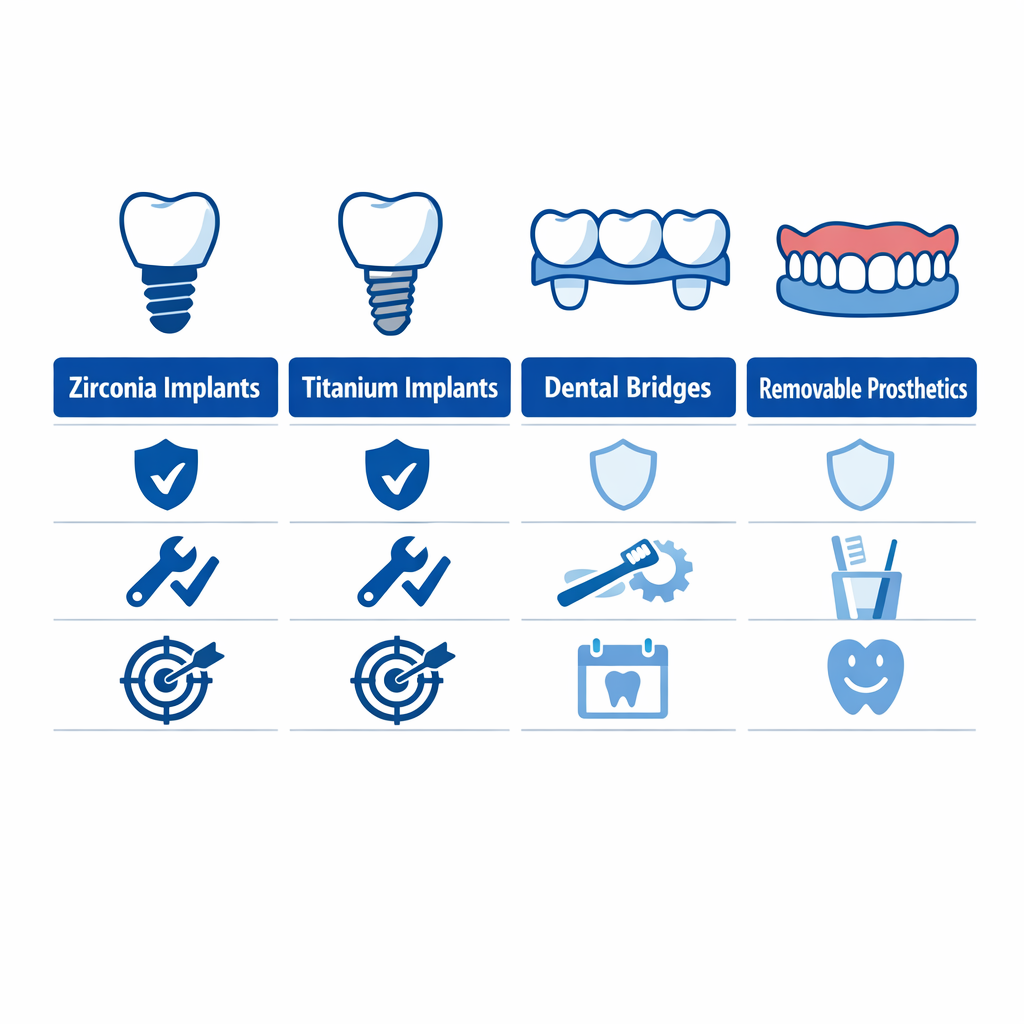
Dental implants are often considered when a single missing tooth or multiple missing teeth need support without relying on adjacent natural teeth. Some patients may also want to learn more about immediate dental implant treatment options, although same-day timing depends on clinical findings and is not appropriate in every case.

A bridge can replace a missing tooth by connecting to neighboring teeth, which may make sense in certain restorative plans. Partial dentures, including implant supported partial denture options, may be considered when several teeth are missing and support, removability, and maintenance preferences need to be balanced.

For more extensive tooth loss, other solutions may be discussed as part of a broader plan, such as a full fixed prosthesis treatment overview. The best path depends on the condition of the teeth and gums, available bone, healing status, and your priorities for comfort, function, and long-term care.

What Can Affect the Cost of Dental Teeth Removal

The cost of dental teeth removal can vary based on several clinical factors, so an exam is usually the best way to understand what applies to your situation. Pricing may differ depending on whether the extraction is simple or surgical, where the tooth is located, and whether imaging is needed before treatment.

Common factors that influence pricing

Other variables can include sedation choices, the condition of the surrounding tissue, and whether additional care is recommended after the tooth is removed. If you are also considering replacement options, that planning can affect the total treatment investment. For example, some patients review dental implant financing options explained as part of their longer-term plan. A personalized consultation can provide the most accurate next-step recommendations and pricing information.

Common Misconceptions About Tooth Extraction

Dentist explaining dental extraction myths and facts with digital chart in clinic

Myth vs fact

Myth: A painful tooth always needs to be removed.
Fact: Not every painful tooth requires extraction; the cause may be treatable depending on the diagnosis and overall condition of the tooth.

Myth: Wisdom teeth are always taken out automatically.
Fact: Wisdom teeth are evaluated case by case, and removal is usually based on symptoms, position, risk, and long-term oral health concerns.

Myth: Every extracted tooth should be replaced the same way.
Fact: Replacement planning depends on which tooth was removed, bite function, gum and bone health, and broader treatment goals, including dental implant options and materials.

Frequently Asked Questions About Dental Teeth Removal

How do I know if a tooth needs to be removed?

A tooth may need removal when it is severely damaged, infected, loose, or causing crowding that cannot be managed with more conservative treatment. The best way to know is through an exam and imaging, since the recommendation depends on the tooth, surrounding bone, and your overall oral health.

Is wisdom teeth removal always necessary?

No, wisdom teeth are not always removed. A dentist may recommend monitoring them if they are healthy and positioned well, while removal may be considered if they are impacted, painful, hard to clean, or affecting nearby teeth.

How long does it take to recover after a tooth extraction?

Recovery varies from person to person and depends on the type of extraction and your health history. Many patients start feeling better within a few days, but your dentist will give case-specific guidance on healing, activity, and follow-up care.

Can a dentist remove a tooth and place an implant later?

Yes, in many cases a tooth can be removed and an implant can be considered afterward. The timing depends on factors such as infection, bone support, gum health, and the overall treatment plan, so an evaluation is needed before making that decision.

What should I avoid after dental teeth removal?

Patients are often advised to avoid smoking, drinking through a straw, vigorous rinsing, and hard or crunchy foods right after extraction. Your aftercare instructions may also include limits on strenuous activity and specific cleaning steps to help protect the area.

Should I see a general dentist or a specialist for extraction?

A general dentist can often handle straightforward extractions, while more complex cases may be referred to an oral surgeon or another specialist. The right choice depends on the tooth position, root shape, medical considerations, and whether sedation or advanced surgical care may be appropriate.

When to Schedule a Professional Evaluation

If you have persistent discomfort, visible tooth damage, or concerns about whether a tooth may need to be removed, scheduling an in-person evaluation is the best next step. A clinical exam and imaging can help determine whether the tooth may be treated or whether removal may be appropriate based on your specific needs.

Our team can review your symptoms, assess the tooth carefully, and discuss your treatment options with you clearly and professionally.

Take the next step

If you are concerned about a tooth, request an appointment for a personalized consultation.

Schedule a Consultation

Final Thoughts on Dental Teeth Removal

Dental teeth removal is not a one-size-fits-all decision. The right approach depends on the condition of the tooth, the health of the surrounding tissues, your symptoms, and your long-term treatment goals. In many situations, the conversation also includes what comes next, such as whether restoration or replacement may be recommended after removal.

A professional evaluation can help clarify your options and support a plan that fits your needs. With careful assessment, thoughtful planning, and clear guidance, patients can move forward feeling informed, prepared, and reassured about the next step.

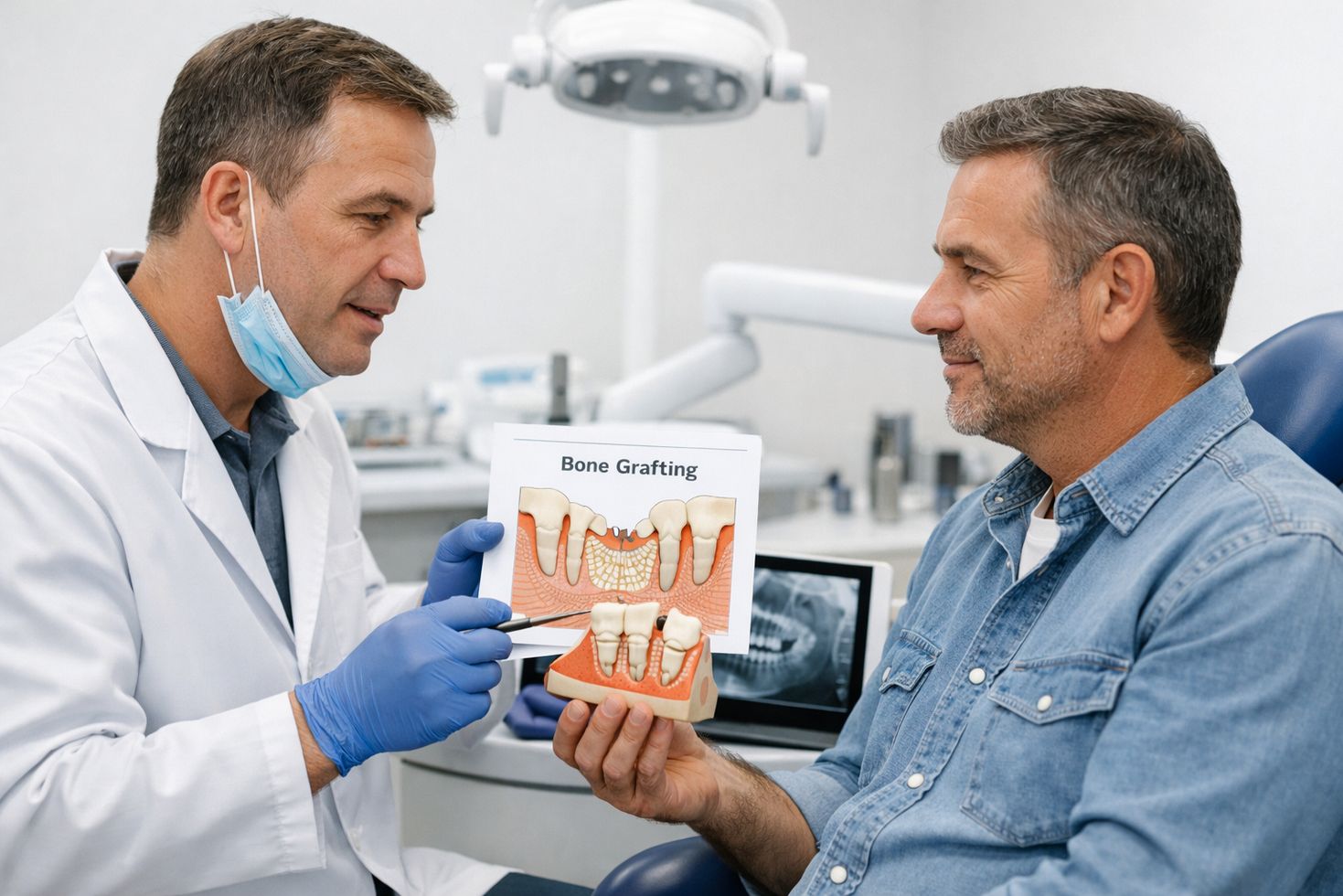
Dentist discussing bone graft procedure with adult patient in a modern dental clinic, highlighting periodontal health care

Bone Graft for Dental Health: Types, Healing, and What to Expect

A dental bone graft may be recommended when your care team needs to help rebuild or preserve jawbone volume. This can be relevant after tooth loss, in areas affected by periodontal disease, or when preparing the mouth for possible future implant treatment. Because every case is different, bone grafting is typically planned as a personalized procedure based on imaging, your anatomy, and your oral health history.

If you are researching whether this treatment might apply to you, this guide is designed to give a clear, patient-focused overview. It explains why bone support matters, when grafting may be discussed, and how clinicians evaluate whether it is appropriate. The goal is educational: to help you understand the topic before speaking with a dental professional for an in-person assessment.

What this guide covers

Below, you will find a simple overview of bone graft types, extraction and bone graft situations, healing stages, the role of membranes, and answers to common questions readers often have when learning about treatment options.

What Is a Dental Bone Graft?

A dental bone graft is a procedure that places graft material in an area where bone volume has been lost or needs added support. In simple terms, it helps create a framework for your body to rebuild and strengthen bone over time. This is why bone graft surgery is often used to protect the shape of the jaw and support future dental treatment options.

The graft material does not simply “replace” missing bone on its own. Instead, it acts as a scaffold while your body responds and gradually forms new bone in the area. During the healing process of bone graft, surrounding cells and tissues work with the grafted site as part of normal repair. The exact material used and the expected healing timeline depend on your condition and treatment goals.

When dentists and periodontists may recommend it

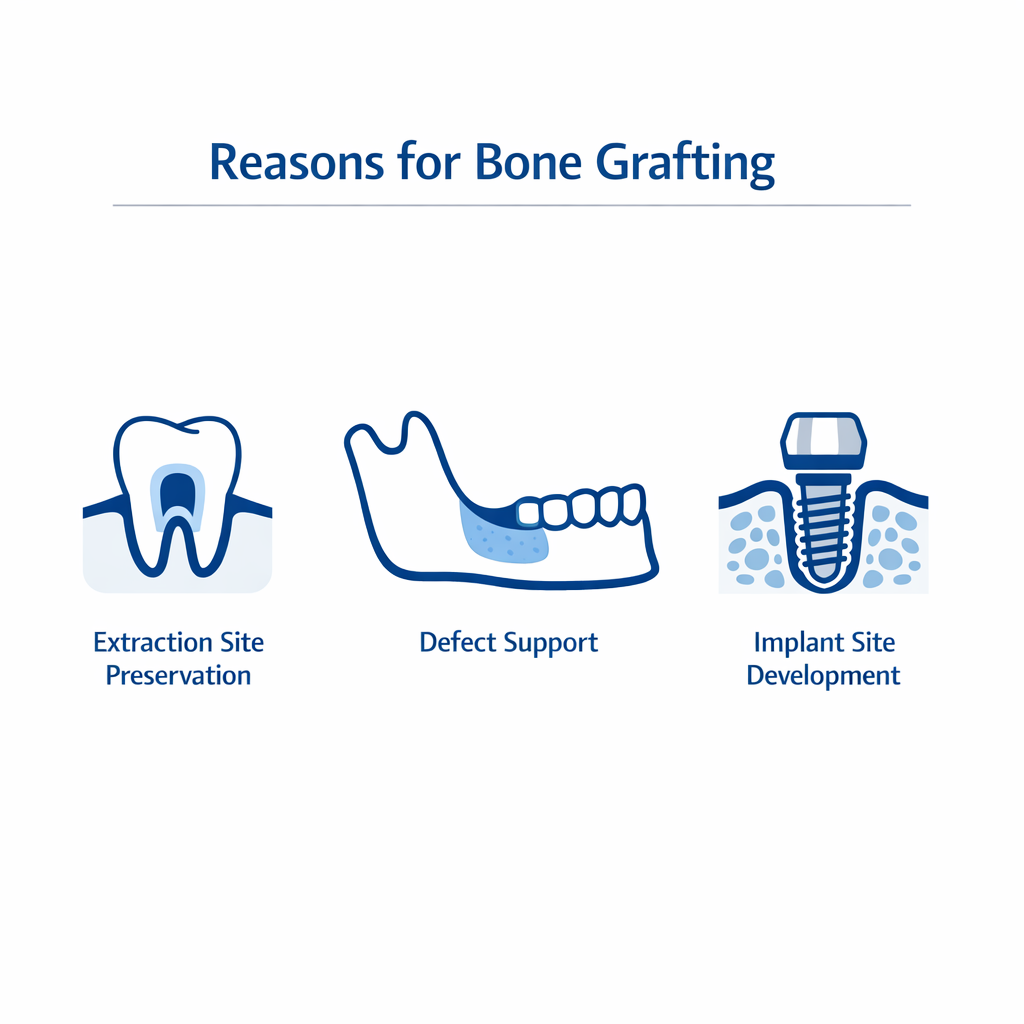
A dentist or periodontist may recommend a bone graft after a tooth extraction, around periodontal bone defects, after trauma, or when developing a site for a future implant. In some cases, the goal is to preserve bone that could shrink after a tooth is removed. In others, the goal is to rebuild an area that has already lost support.

The goal of treatment

Treatment may be aimed at preserving the natural ridge shape, supporting nearby structures, or improving the foundation for future restorative care. Preservation generally focuses on limiting bone loss soon after an extraction, while reconstruction addresses areas where bone has already been reduced. The right approach depends on your oral health, the amount of bone present, and the type of treatment being considered later.

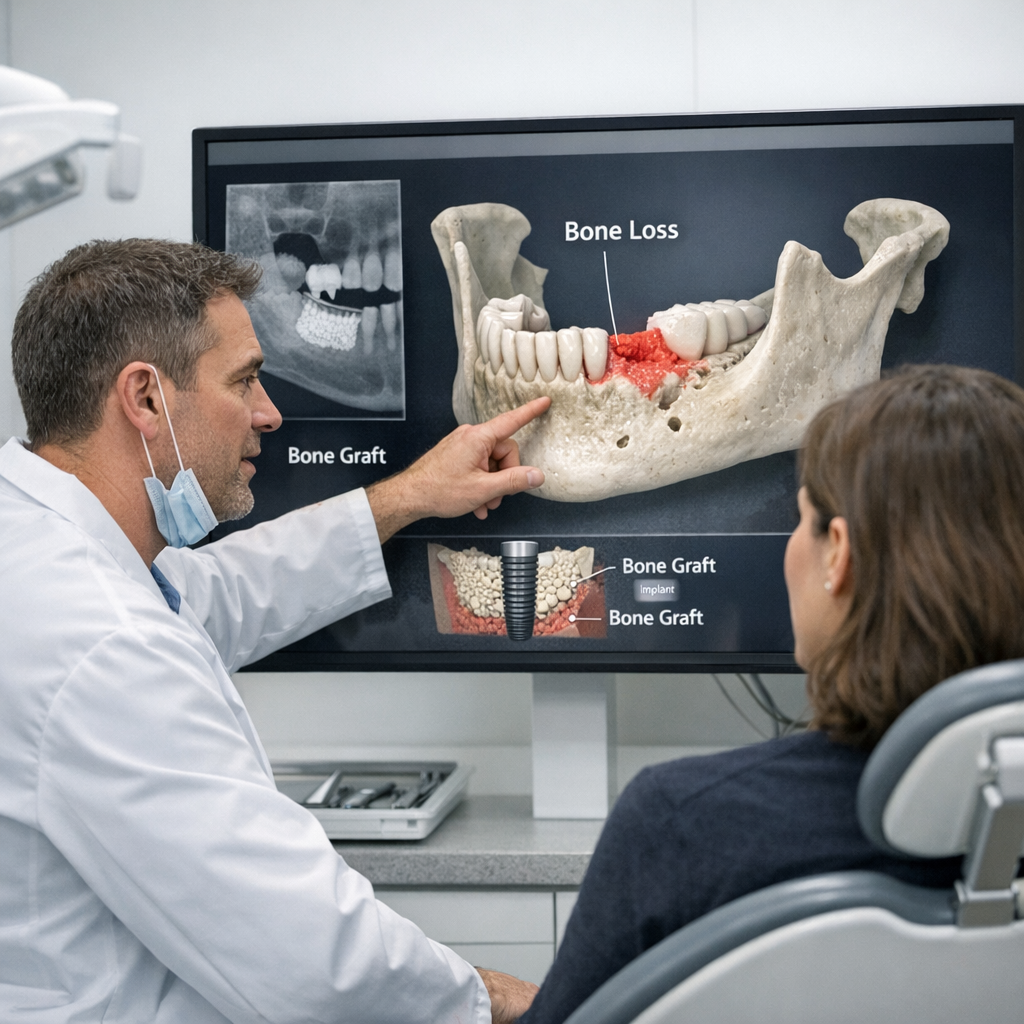
Dentist explains 3D jaw scan with reduced bone volume to patient using digital display in modern dental clinic

Why a Bone Graft May Be Helpful

A bone graft may be recommended when a dentist or periodontist wants to improve site conditions after tooth loss or gum-related bone changes. Rather than promising a specific result, the goal is usually to help preserve available bone and support thoughtful long-term planning. This can be especially relevant after an extraction, when the jawbone may begin to change shape as it heals.

Preserving bone after tooth loss

After a tooth is removed, the surrounding ridge can gradually shrink or collapse. In some cases, grafting may help maintain more of the bone’s height and width during healing. Preserving that structure may help with comfort, appearance of the ridge, and the fit or stability of future dental work. It may also reduce the extent of changes that can happen naturally over time, although the amount of preservation varies from person to person.

Supporting future restorative options

Bone volume can play an important role in future treatment planning, including whether a site may be suitable for an implant or other restoration. A graft may help create a better foundation for those discussions and may improve site development in selected cases. Still, grafting does not guarantee that every patient will be a candidate for implants. Outcomes depend on factors such as the amount of bone loss, overall health, healing response, and individual treatment goals.

Infographic icons showing three common reasons for bone grafting in dentistry.

Common Bone Graft Types and Materials

When a clinician discusses grafting, the main difference usually comes down to where the material comes from, how it is processed, and what the treatment site needs. The goal is not to say one option is always right for everyone, but to match the material to the amount of support needed, the condition of the area, and the overall treatment plan.

Autogenous bone graft

An autogenous bone graft uses bone taken from the patient’s own body. In dentistry, this may be considered when a provider wants living bone from the patient as part of the grafting approach. It can be useful in certain situations, but it also means there is a second area involved in obtaining the bone. Whether this option is appropriate depends on the size of the defect, the treatment goals, and the patient’s overall clinical picture.

Donor bone and processed graft materials

Donor grafts are another common category. The term cadaver bone graft generally refers to processed donor bone that may be used in some dental cases. In consultations, clinicians often describe these materials in professional terms such as donor or allograft bone. They are selected based on the procedure, the amount of regeneration needed, and how the material is intended to support healing. For some patients, donor material may help avoid taking bone from another area of the body.

Other graft materials your clinician may discuss

You may also hear about xenografts, which are animal-derived materials processed for clinical use, and alloplasts, which are synthetic graft materials. These options are often discussed when the treatment site needs structure, space maintenance, or support for bone regeneration. A clinician may choose one of these materials based on the procedure type, the volume of bone needed, handling characteristics, and how the graft fits into the broader restorative plan, including implant supported partial denture options.

In short, material choice varies because each graft category has different properties and uses. A consultation helps translate these terms into what they mean for your specific case, timeline, and treatment goals.

Extraction and Bone Graft: What Happens in the Same Visit

Dentist explains socket preservation to patient using digital tooth extraction diagram in modern clinic

An extraction and bone graft may be completed in the same visit when the goal is to help preserve the shape of the tooth socket after removal. In simple terms, the tooth is removed, the area is evaluated and cleaned as needed, and graft material may then be placed into the site. The exact approach depends on the condition of the bone and gum tissue, whether infection is present, and the long-term plan for the area.

Typical sequence of care

After the tooth is taken out, the site may be prepared so it is ready for graft placement. The graft material is used to support socket preservation and help maintain the natural contour as healing begins. In some cases, a bone graft and membrane may be recommended to protect the area and help keep the graft where it is intended to heal. Depending on the site and treatment plan, the area may then be covered or closed to protect it during recovery.

Why grafting may be done right away

Doing the graft at the same appointment may reduce the amount of change that can happen in the socket after a tooth is removed. This can be important when future restorative options are being considered, including immediate dental implant treatment timing. Not every site is treated the same way, but same-visit grafting is often considered when preserving bone shape may support appearance, function, and future planning.

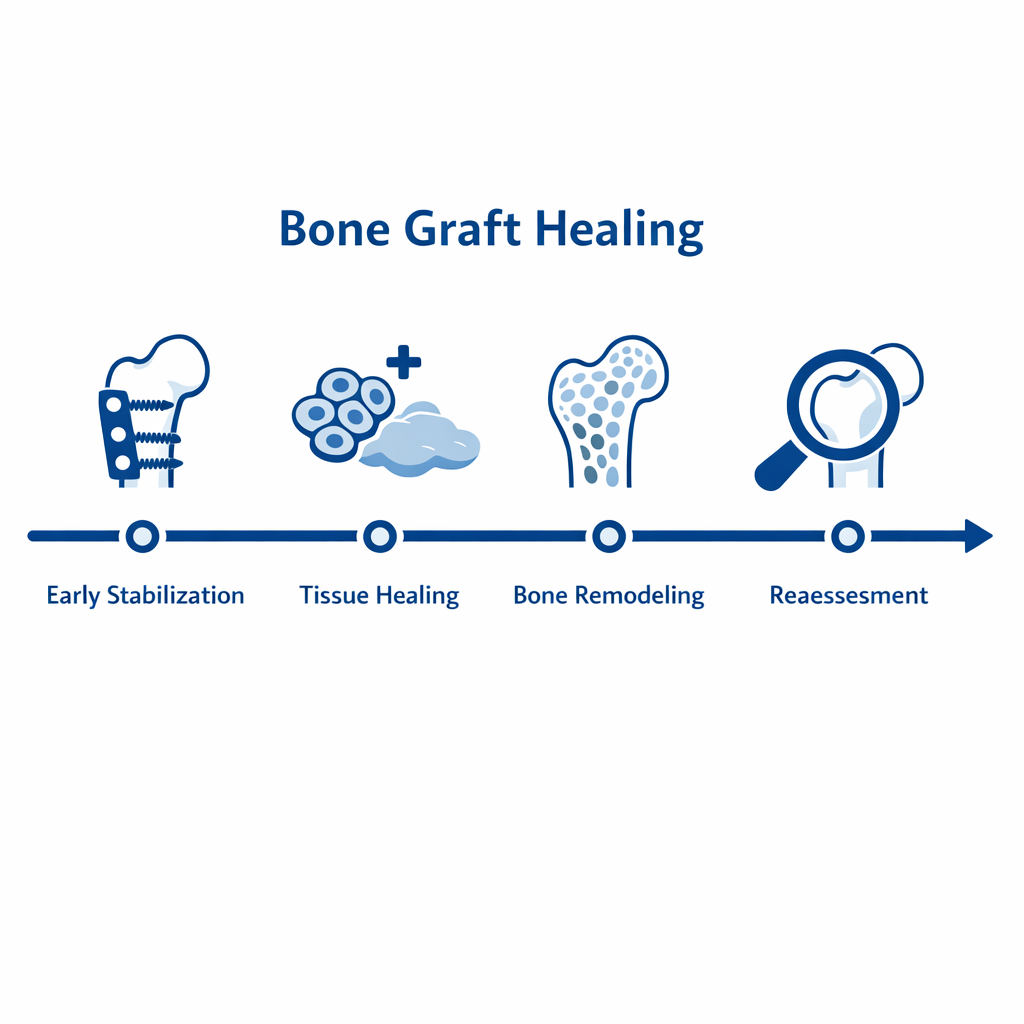
How to Understand Bone Graft Healing Stages

Understanding bone graft healing stages can make recovery feel more predictable. In general, healing happens in broad phases rather than on a fixed schedule. The healing process of bone graft varies based on the type of graft used, the location in the mouth, the size of the treated area, and factors such as overall health and healing response.

A helpful way to think about recovery is to look for normal milestones instead of trying to match your experience to an exact timeline. Your clinician can tell you what is expected for your specific procedure.

Early healing after surgery

In the early stage, the body works to protect the surgical site and begin repair. A blood clot helps cover the area, and the surrounding soft tissue starts to respond as part of normal healing. During this period, the gum tissue gradually closes and stabilizes over the grafted area. It is common for recovery to feel different from person to person, which is why following post-op instructions matters so much.

Simple steps such as keeping pressure off the site, taking medications as directed, and maintaining the cleaning routine recommended by your dental team can support this phase. If swelling, discomfort, or the appearance of the area seems unusual to you, it is best to check in with your clinician rather than guess.

Longer-term bone remodeling

After the soft tissue begins to settle, the grafted area continues changing beneath the surface. Over time, the body remodels the site as new bone develops and the graft integrates with the surrounding bone. This is a gradual process, and timelines vary by individual, graft type, and treatment goals.

The main takeaway is that healing is usually a progression, not a single moment. Keep your follow-up visits, follow your care instructions, and contact your dental professional if you have concerns about delayed healing or changes that do not seem typical for your recovery.

Timeline infographic of bone graft healing stages from clot to bone remodeling.

What Can Affect Bone Graft Cost and Treatment Planning

Bone graft treatment costs can vary because each case is planned around the condition of the site and the goals of care. Factors may include the type of graft material used, the size and complexity of the area, whether advanced imaging is needed, and whether membranes or other supportive materials are recommended.

Why treatment costs vary

Your treatment plan may also be influenced by sedation needs, whether a tooth extraction is performed at the same visit, and the expected follow-up involved during healing. If restorative care is part of the overall plan, that can affect timing and coordination as well.

Because these details differ from person to person, an exact estimate requires an exam and personalized treatment plan. If you are also comparing broader care expenses, our guide to financing options for dental implants may be helpful.

Bone Graft and Membrane: Why They May Be Used Together

A bone graft and membrane may be used together to help support healing after tooth loss or preparation for an implant. In many cases, the membrane is placed over the grafted area to help protect it, contain the material, and support site stability while the area heals. This approach can help guide healing, but it does not mean every case needs the same materials or technique. Clinicians choose membranes based on the shape of the defect, the condition of the site, and treatment goals. If you are also comparing restoration options, our dental implant material considerations guide may be helpful.

The role of a membrane

Dentist showing graft-and-membrane diagram on tablet to patient in modern dental clinic

Frequently Asked Questions About Bone Grafts

Is bone graft surgery always needed after a tooth extraction?

No. Some extraction sites may heal acceptably without grafting, while others may benefit from it based on bone shape, gum condition, and whether a future implant or other restoration is planned. The best recommendation depends on an in-person evaluation.

How long do bone graft healing stages usually take?

Healing usually happens in stages, beginning with early tissue recovery and followed by slower bone remodeling. Exact timing varies by the size of the graft, the area treated, your overall health, and the procedure performed. Your clinician can explain what timeline is reasonable for your situation.

What is the difference between an autogenous bone graft and a cadaver bone graft?

An autogenous graft uses your own bone, while a cadaver graft uses donor bone that has been processed for medical use. Each option has different clinical considerations, including how it is obtained and how it may be used in treatment planning. Your periodontist can review which material is appropriate for your case.

Can a bone graft be done at the same time as an extraction?

Yes, in some cases a graft can be placed during the same visit as the extraction. Whether that is advisable depends on factors such as infection, bone loss, socket condition, and the overall treatment plan. Not every site is managed the same way.

Why would a clinician use a bone graft and membrane together?

A membrane may be used to help protect the grafted area and support the space where new bone is intended to develop. In selected cases, this combination can help guide healing and reduce disruption from surrounding soft tissue. The decision depends on the anatomy and goals of treatment.

When should I contact my periodontist after a bone graft?

Contact the office if you have questions about symptoms, medications, bleeding, swelling, or how to follow your post-operative instructions. It is also appropriate to call if something feels different than what you were told to expect. Specific concerns should be evaluated by your treating clinician rather than self-diagnosed at home.

When to Schedule a Professional Evaluation

If you have concerns about bone loss, are planning for an extraction, or have questions about dental implants, scheduling a professional evaluation can help you understand your options. An exam and imaging allow the dental team to assess your oral health and determine whether bone grafting may be appropriate for your situation.

Because treatment recommendations depend on individual findings, a personalized visit is the best next step for clear guidance and planning.

Request an appointment

If you are ready to discuss your needs with a qualified provider, request an appointment to review your exam findings and treatment options.

Request an appointment

Key Takeaways About Bone Grafting

Bone grafting is used to help rebuild or support bone in situations where additional structure may be needed for treatment. Whether a graft is recommended, which material is selected, and when treatment should happen all depend on the specific area, your goals, and your overall oral health.

Healing can vary from person to person, which is why timelines are not always the same. A careful evaluation helps determine the most appropriate approach and sets realistic expectations for recovery and next steps.

The most helpful takeaway is that bone graft recommendations are personalized. If you want guidance based on your situation, a professional evaluation can clarify your options and help you move forward with confidence.

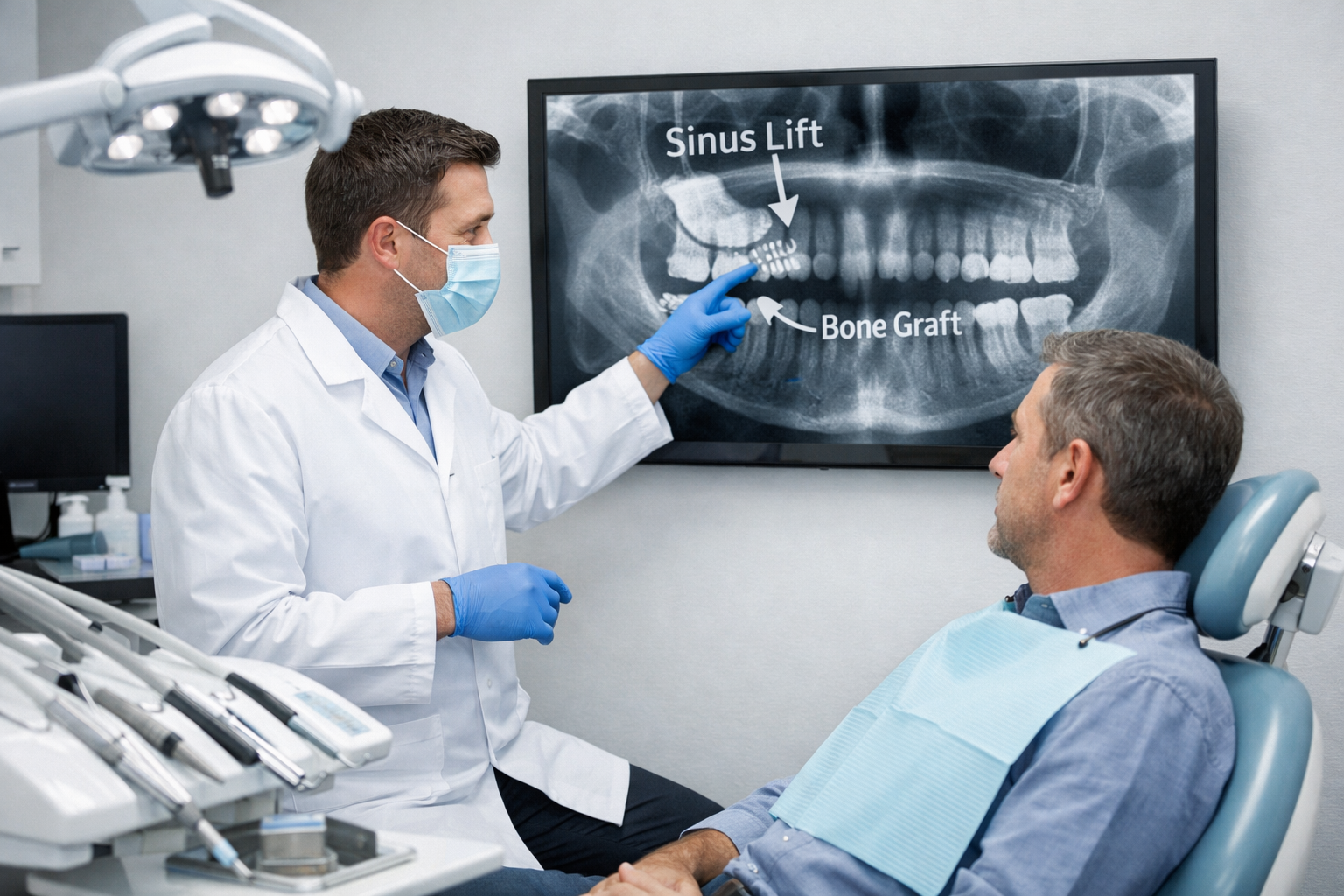
Dentist explaining sinus lift procedure to adult patient in a modern dental clinic with digital X-ray display

Sinus Lift: What It Is, When It’s Needed, and What to Expect

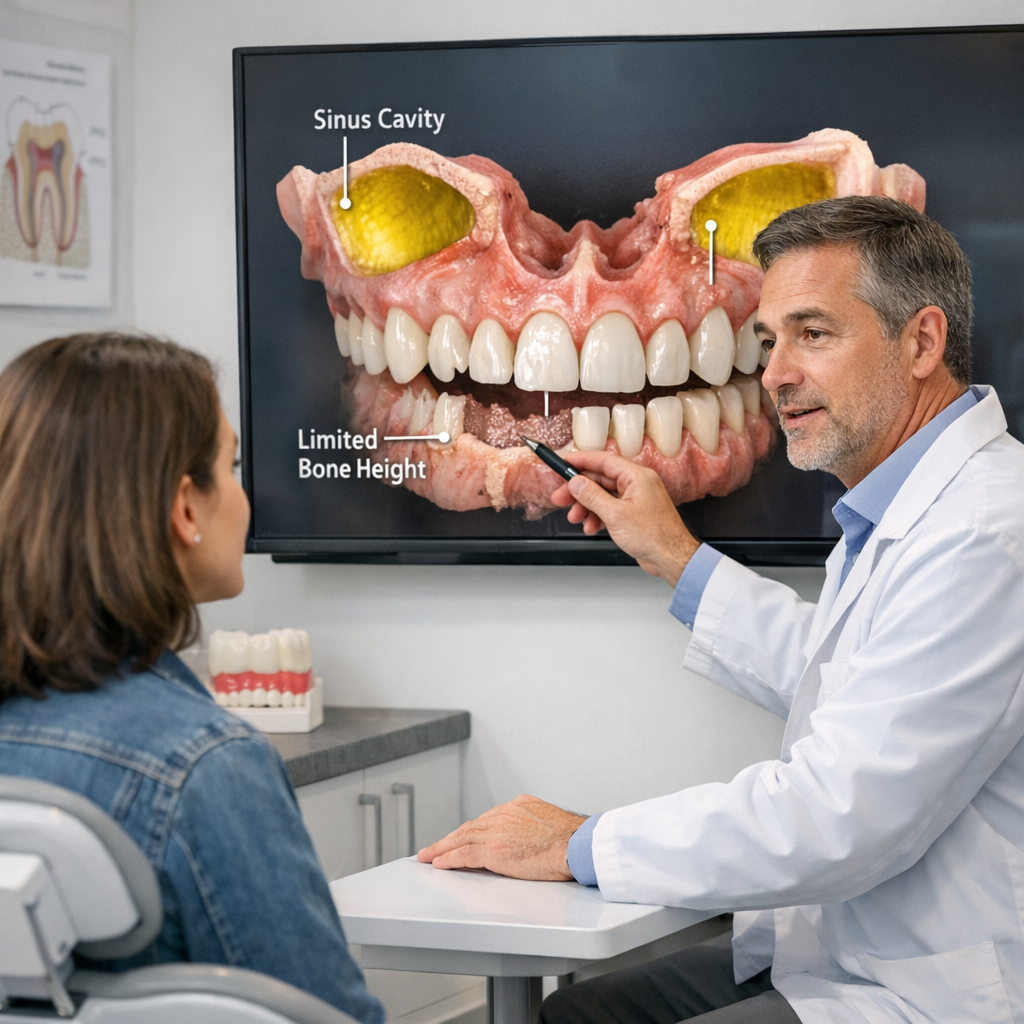
A sinus lift is a procedure used in dental implant planning to add bone in the upper back jaw, usually near the molars and premolars. Patients often search for sinus lift information when they have been told there may not be enough bone height to support an implant safely and predictably. In simple terms, the treatment helps create more usable bone below the sinus area so implant placement may be possible.

This recommendation is not automatic for everyone. Upper jaw anatomy varies from person to person, and bone can change over time after tooth loss, gum disease, or other factors. Whether a sinus lift is needed, when it should be done, and what outcome may be appropriate all depend on your specific exam findings, imaging, and overall treatment goals. An in-person evaluation is the best way to determine candidacy.

In this guide, you will learn what a sinus lift is, when it may be suggested before implants, how the procedure generally works, possible complications to be aware of, and which questions are helpful to discuss during a consultation.

What Is a Sinus Lift?

A sinus lift is a procedure that adds bone beneath the sinus floor in the upper jaw, usually in the area of the back teeth. You may also hear it called sinus augmentation surgery. In simple terms, the goal is to create enough bone height to support a future dental implant when the natural bone is too thin or too shallow.

The maxillary sinus is the air-filled space above the upper premolars and molars. Between that sinus and your mouth are the sinus membrane, the existing jawbone, and the area where graft material may be placed. During a maxillary sinus lift, the membrane is gently moved upward so bone grafting material can be added underneath it. This creates more support in the upper jaw over time.

Sinus lift vs. sinus augmentation surgery

These terms are often used interchangeably. Both refer to the same basic idea: increasing bone in the upper jaw near the sinus so implant treatment can be planned more predictably. When people say a “sinus lift implant” procedure, they usually mean the sinus lift is being done to prepare for an implant later. The implant itself does not lift the sinus.

Why upper jaw bone height matters

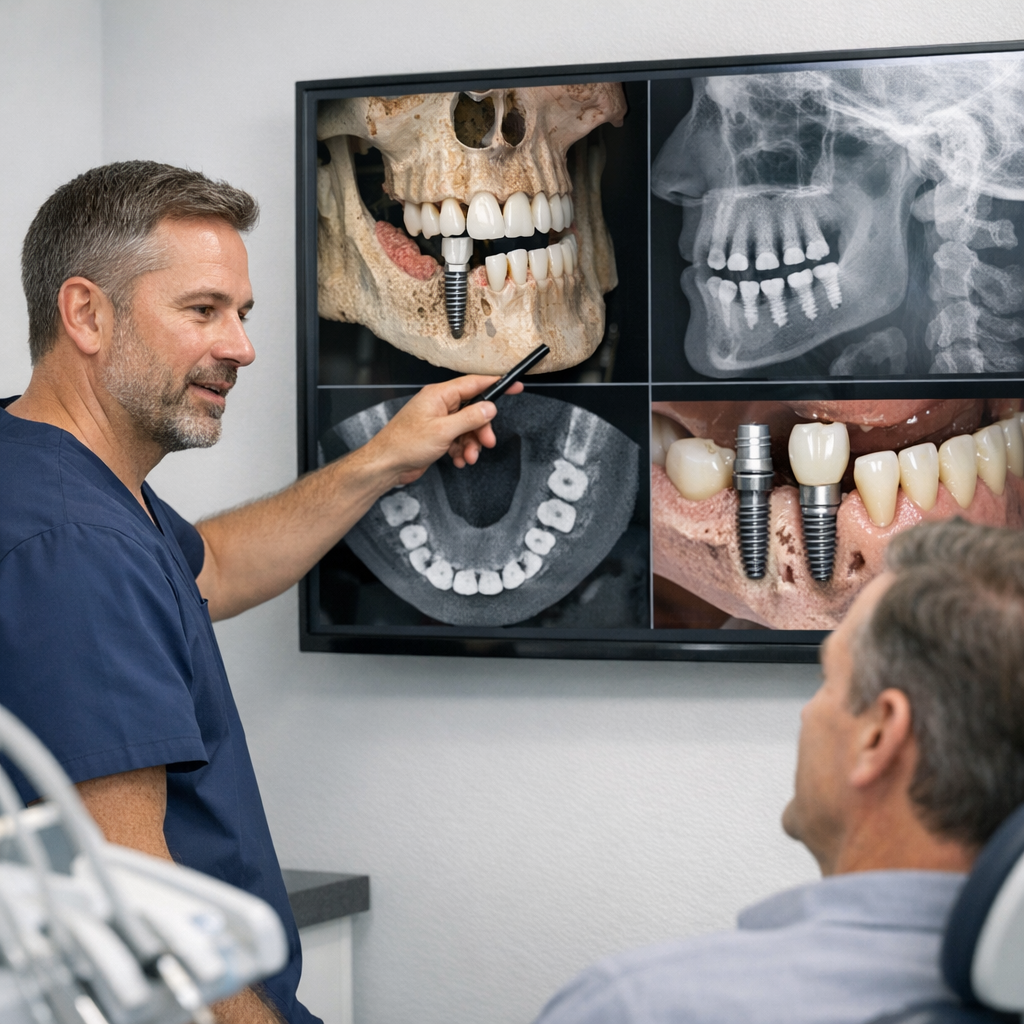
Bone volume matters because dental implants need adequate support in the jaw. If the bone under the sinus is limited, your periodontist may recommend bone grafting first, then implant placement after healing. This can be part of planning for single implants or broader tooth replacement, including implant supported partial denture options.

Periodontist explaining upper jaw 3D scan with sinus area and bone height for dental implants in modern clinic

When a Sinus Lift May Be Recommended

A sinus lift may be recommended when there is not enough bone height in the upper jaw to support dental implants safely and predictably. This can happen for several reasons, and it does not always mean the same treatment is right for everyone. The decision depends on your anatomy, oral health, and the exact area where implant treatment is being planned.

Bone changes after tooth loss

After a tooth is lost, the surrounding bone can gradually shrink because it is no longer being stimulated in the same way. Over time, this bone loss may reduce the amount of support available for an implant. Periodontal disease can also contribute to bone loss, and in some cases, long-term denture wear may place added pressure on the area, leading to further reduction in bone volume.

How sinus anatomy affects implant space

In the back part of the upper jaw, the sinus sits just above the roots of the teeth. As time passes, the sinus can naturally expand downward, a process that may leave less vertical bone between the mouth and the sinus floor. Some people also naturally have less bone in this area due to their anatomy. When that space is limited, sinus augmentation may help create a better foundation for implant placement.

Why imaging is essential

A clinical exam and imaging, such as CBCT or similar scans, help a clinician see the available bone height and width in detail. This evaluation is important because candidacy cannot be confirmed by symptoms alone or by looking in the mirror. Planning is individualized, and imaging helps determine whether a sinus lift may help, whether another approach is better, and what expectations make sense for your situation.

Infographic icons showing causes of reduced upper jaw bone height.

How the Procedure Generally Works

Clinician and patient reviewing upper jaw scan and treatment plan before sinus augmentation in modern dental operatory

A sinus lift procedure is typically planned in stages so your clinician can match treatment to your anatomy, bone volume, and overall implant goals. While the details vary from person to person, the process usually follows a clear sequence designed to make sinus augmentation easier to understand and less intimidating.

1. Consultation and imaging

The first step is a consultation, exam, and imaging review. Your clinician will assess the upper back jaw, discuss your health history, and often use 3D imaging to measure available bone and evaluate the sinus area. This planning stage helps determine whether a sinus lift is appropriate, how much grafting may be needed, and how implant options are evaluated. Comfort-focused anesthesia and detailed planning are part of preparing for treatment.

2. Creating space and placing graft material

During the procedure, the clinician creates access to the treatment area in the upper jaw. The sinus membrane is then gently elevated to create space, and graft material is placed beneath it to support future bone development. The area is then closed so healing can begin. The exact sinus augmentation technique depends on your anatomy, the amount of existing bone, and the clinician’s judgment.

3. Implant timing depends on the case

In some cases, dental implants may be placed at the same appointment if there is enough existing stability. In other situations, a staged approach may be recommended, allowing the grafted area time to mature before implant placement. Neither path is automatically better for every patient. The right sequence depends on clinical findings, treatment goals, and what offers the most predictable foundation for long-term care. After treatment, patients are usually given personalized post-op instructions and follow-up guidance.

How to Prepare for a Sinus Lift and Support Recovery

A little planning can make the process feel more manageable and help you follow your care team’s instructions with confidence. The goal is to stay organized, ask questions, and understand that your provider’s guidance should always come first.

Before your appointment

Write down any questions you want to cover during your visit, including concerns about comfort, recovery, and next steps. Be ready to share your medical history, current medications, supplements, and any relevant health changes so your clinician can plan appropriately. If your office advises it, arrange transportation or extra support for the day of the procedure. It can also help to prepare your home in advance with soft foods and any supplies mentioned in your instructions. If you are also discussing timing questions around immediate implants, bring those up before treatment so you know what to expect.
Aftercare basics

Recovery guidance may include instructions for oral hygiene, diet, activity, and ways to avoid pressure in the sinus area. Follow those directions closely, attend any recommended follow-up visits, and avoid making assumptions based on someone else’s experience. Healing can vary from person to person, so realistic expectations matter.

If anything feels unclear or you have concerns during recovery, contact your dental office for individualized guidance. Educational information can help you prepare, but it should never replace the instructions given specifically for your care.

Step-by-step infographic showing consultation prep, procedure day, and sinus recovery reminders.

Technique and Material Considerations

Treatment planning can vary from one patient to another, and that is often expected. A clinician may recommend different methods based on how much bone is available, the shape of the sinus area, overall anatomy, and the position and goals of the future implant. These variables can affect both the sequence of care and the type of procedure discussed.

Why approaches can differ

Some cases involve limited bone height, while others may allow a more straightforward approach. Planning may also differ depending on whether treatment is being staged over time or coordinated with implant placement. Because of this, patients may hear about more than one technique during consultations, and one option is not automatically the right fit for every situation.

Understanding branded terms patients may see

Patients researching online may also encounter branded names or specific product-based terms, including augma sinus lift. These references usually describe a particular material, system, or procedural approach rather than a universally preferred solution. Graft materials and treatment methods can differ, and suitability depends on the individual case, imaging findings, and the judgment of a qualified clinician. The most helpful next step is usually a professional evaluation that matches the approach to your anatomy and treatment goals.

What Affects Sinus Lift Cost?

Sinus lift cost can vary because treatment is based on your anatomy, oral health, and the details of your overall plan. A personalized estimate is usually the best way to understand fees, since two patients may need very different steps to prepare for successful implant treatment.

Why estimates vary from case to case

Several factors may influence the total cost, including diagnostic imaging, the amount of available bone, the complexity of the sinus lift itself, and the type of graft material recommended. Cost may also differ depending on whether dental implants are placed at the same time or in a later phase, and whether other periodontal or restorative procedures are part of the treatment plan.

Questions about insurance coverage, out-of-pocket responsibility, and financing options for implant treatment should be reviewed directly with the office and your insurer as applicable. This helps you make an informed decision with clear expectations, without relying on generic price ranges that may not reflect your specific needs.

Possible Risks and Sinus Lift Complications

As with many surgical procedures, sinus lift complications can happen, although not every patient experiences them. A sinus lift is commonly performed to create enough bone for future implant placement, and most treatment plans are designed with careful evaluation to reduce risk. Still, it is reasonable for patients to want clear, balanced information about possible concerns.

Potential sinus augmentation complications may include swelling, bleeding, infection, graft-related issues, sinus membrane perforation, temporary sinus pressure, or delayed healing. The likelihood and significance of these issues can vary based on anatomy, medical history, smoking status, oral health, and how the area heals after treatment. Because every case is different, symptoms should be interpreted by the treating dental professional rather than assumed to mean a specific problem.

Common concerns patients ask about

Many patients ask whether swelling, mild discomfort, congestion, or a feeling of pressure is expected. Healing can vary from person to person, and some temporary postoperative effects may occur without indicating a serious issue. At the same time, concerns should not be ignored or minimized. Following aftercare instructions closely can support recovery, and some patients also ask about supportive ozone therapy information as part of broader periodontal care discussions.

When to contact your dental team

If you have unexpected symptoms, worsening discomfort, questions about healing, or any concern about possible sinus lift complications or sinus augmentation complications, it is best to contact your treating office promptly for guidance. Your dental team can review your symptoms, explain what may be typical in your situation, and let you know whether an exam or follow-up is appropriate.

Dentist and patient reviewing postoperative dental scan in modern clinic, emphasizing follow-up care and patient engagement

Frequently Asked Questions About Sinus Lift

Quick answers to common patient questions

What is a sinus lift in dental implants?

A sinus lift, also called sinus augmentation, is a procedure that adds bone to the upper back jaw beneath the sinus area. It is often used to create enough support for a future dental implant when natural bone height is limited.

Why would I need a sinus lift before an implant?

You may need one if the sinus sits too low or if bone has thinned after tooth loss, gum disease, or normal anatomy. The goal is to improve the foundation so implant planning can be done more predictably.

Can implants be placed at the same time as a sinus lift?

Sometimes, yes. If there is enough existing bone to stabilize the implant, both procedures may be done together; in other cases, healing is allowed first and implants are placed later.

What are possible sinus lift complications?

As with many surgical procedures, possible issues can include swelling, bleeding, infection, delayed healing, or a tear in the sinus membrane. Your dental surgeon will review risks, your health history, and steps that may help reduce complications.

How long does recovery take after sinus augmentation surgery?

Initial recovery often takes several days to a couple of weeks, depending on the individual and the extent of treatment. Bone maturation usually takes longer, so the timeline for implant placement varies by case and should be confirmed during follow-up visits.

When to Schedule a Consultation

If you are missing upper back teeth, have been told you have bone loss, or have questions about implant treatment in the upper jaw, it may be a good time to schedule an evaluation. A professional exam and imaging can help determine whether sinus augmentation may be appropriate for your situation and how it may fit into your treatment plan.

Get personalized guidance

Because recommendations depend on your anatomy, oral health, and goals, individualized planning is important. Request an appointment to discuss your options and learn what next steps may be right for you.

Schedule a Consultation

Key Takeaways

A sinus lift treatment may help create the bone support needed for dental implants in the upper jaw when natural bone height is limited. For many patients, it is one step within a broader implant plan rather than a standalone decision.

Whether this approach is appropriate depends on your anatomy, overall oral health, implant goals, and the timing of treatment. Recovery and planning can vary from person to person, which is why a careful evaluation matters. In some cases, patients may also want to learn how sinus augmentation fits alongside full fixed implant restoration options.

A clearer path to implant planning

The clearest next step is a professional assessment that looks at bone structure, treatment priorities, and long-term goals. With personalized guidance, you can better understand whether a sinus lift belongs in your treatment plan and move forward with confidence.

Dentist and adult patient discussing dental insurance options in a modern, well-lit clinic with visible dental equipment

Dental Insurance Quotes: What to Compare Before You Choose

A dental insurance quote is an estimate of what you may pay for coverage based on a plan’s pricing and benefits. When comparing dental insurance quotes, it helps to look beyond the monthly premium, because two plans with similar prices can offer very different value depending on what care is covered and how costs are shared.

This article focuses on how to review quotes with preventive and periodontal care in mind. That includes checking whether routine services like dental cleaning are covered, how deep cleaning dental treatment is handled, and whether waiting periods apply before certain benefits begin. Premiums matter, but they are only one part of the decision.

To judge a quote accurately, compare annual maximums, deductibles, provider networks, coinsurance levels, and any limits on specific procedures. A plan that looks affordable at first glance may lead to higher out-of-pocket costs later if coverage is restricted. The right choice depends on your expected care needs, benefit details, and overall budget.

Why similar quotes can lead to very different out-of-pocket costs

Monthly premium is only one cost factor. Your deductible, the plan’s annual maximum, and the percentage paid for covered procedures can all change what you actually spend. If one quote covers preventive care generously but offers limited support for periodontal treatment, it may be less valuable for someone who expects more than routine visits. Reviewing the full benefit structure makes quote comparisons more useful and realistic.

What a Dental Insurance Quote Usually Includes

A dental insurance quote usually gives you a snapshot of a plan’s price and structure so you can compare options more confidently. In plain terms, it shows what you may pay each month, what cost-sharing rules apply, and how different types of dental care are often covered. It is helpful for comparison, but it is still an estimate, not a guarantee of exact out-of-pocket costs for every procedure.

Key terms to know before comparing plans

Premium is the monthly amount you pay to keep the plan active. A deductible is the amount you may need to pay before certain services begin receiving plan benefits. The annual maximum is the most the plan may pay toward covered dental care in a plan year. Coinsurance is the percentage of a bill you share after plan rules apply, while a copay is a set dollar amount for certain services. A waiting period means some treatments may not be covered right away. Network refers to the dentists who have agreed to the insurer’s pricing, which can affect your total costs.

How insurers group dental services

Many dental plans group care into preventive, basic, and major services. Preventive care often includes exams, cleanings, and X-rays. Basic services may include fillings or simple extractions. Major services can include crowns, bridges, dentures, or root canals, depending on the plan. These categories matter because each one may have different coverage levels, waiting periods, or cost-sharing rules. Category placement can also vary by insurer and plan, so reading the summary carefully is important when comparing dental insurance quotes.

When you review a quote, think of it as a planning tool. It helps you understand how a plan is designed, but actual costs can still depend on the dentist you choose, the treatment you need, and the final benefit determination.

Infographic comparing dental insurance plan features across three tiers using icons and columns.

Why Comparing Quotes Carefully Can Save Money and Frustration

Comparing dental insurance quotes carefully can help people look past the monthly premium and focus on overall value. A lower premium may seem appealing at first, but plan details can make a meaningful difference in what you actually pay over time. Depending on the policy, a lower-cost option may come with a higher deductible, a lower annual maximum, a narrower network, or a longer waiting period before certain services are covered.

Why the cheapest premium is not always the best value

When reviewing plan comparison details, it may help to ask what happens after the premium is paid. If a plan has a low annual maximum, even routine and follow-up care can use benefits faster than expected. If the network is limited, out-of-pocket costs may also be higher. For some people, paying a bit more each month can mean more predictable access to care, but the right choice depends on plan terms and personal priorities.

How future dental needs affect quote selection

Quote comparison may be especially useful for people planning regular dental cleanings, periodontal maintenance, or other ongoing visits. Those considering future specialty treatment should also review major-service coverage carefully, including waiting periods, coinsurance, and annual limits. Looking ahead can reduce surprises and support better decision-making. In some cases, reviewing advanced periodontal therapy options overview may also help people think through how treatment needs and benefit design can connect.

A balanced comparison is not about finding a universally best plan. It is about choosing coverage that may fit expected care, budget, and comfort with out-of-pocket risk.

Dentist and patient reviewing dental benefits summary on tablet in modern clinic

The Most Important Factors to Compare in Dental Insurance Plans

When reviewing dental insurance quotes, it helps to use the same checklist for every option so you can compare value instead of just price. A lower monthly premium may look appealing at first, but the real question is how the plan handles deductibles, annual maximums, waiting periods, network rules, reimbursement levels, missing tooth clauses, and exclusions. If you are comparing plans for routine care, major treatment, or even dental insurance for braces, a structured side-by-side review can make the differences much clearer.

Use the framework below to evaluate each quote carefully, and always confirm details in the policy documents before assuming a specific service will be covered.

Premiums, deductibles, and annual maximums

Start with the three numbers that most directly affect yearly cost. The premium is what you pay each month to keep the plan active. The deductible is the amount you may need to pay before certain benefits begin. The annual maximum is the total amount the plan may pay in a benefit year. A plan with a low premium but a low annual maximum may offer less practical value than a plan with a slightly higher premium and stronger benefits. Compare these numbers together rather than in isolation.

Waiting periods, exclusions, and limitations

Many plans place waiting periods on basic or major services, and some include exclusions or limitations that can significantly affect care. Look closely at reimbursement percentages for preventive, basic, and major treatment categories. Also check for missing tooth clauses, frequency limits, and any restrictions tied to specialty services. Orthodontic benefits, including dental insurance for braces, are often separate, capped, limited to certain ages, or not included at all in many adult plans. Details vary by insurer and policy, so verification matters.

Network rules and provider access

Provider rules can affect both cost and convenience. PPO plans may offer more flexibility but different reimbursement levels for in-network versus out-of-network care. HMO-style plans may require a narrower provider network and more structured referrals. Before choosing a plan, confirm whether your preferred dentist or specialist participates and how out-of-network claims are handled. This step can be especially important if you expect complex treatment and want to plan ahead for costs, including topics such as financing options for dental implants.

Coverage for preventive and periodontal services

Do not assume all cleanings are treated the same. One plan may cover routine dental cleaning at a higher level, while another may apply different rules to periodontal maintenance or deep cleaning dental services. Review frequency limits, category definitions, and any notes about medical necessity or prior authorization. If periodontal care is important to you, compare how each quote describes preventive services, therapeutic cleanings, and related follow-up care.

Quick comparison checklist:

  • Monthly premium
  • Deductible amount
  • Annual maximum
  • Waiting periods
  • Network and out-of-network rules
  • Reimbursement percentages by service type
  • Missing tooth clauses
  • Exclusions and frequency limitations
  • Coverage language for routine cleanings, periodontal maintenance, and deep cleaning dental services

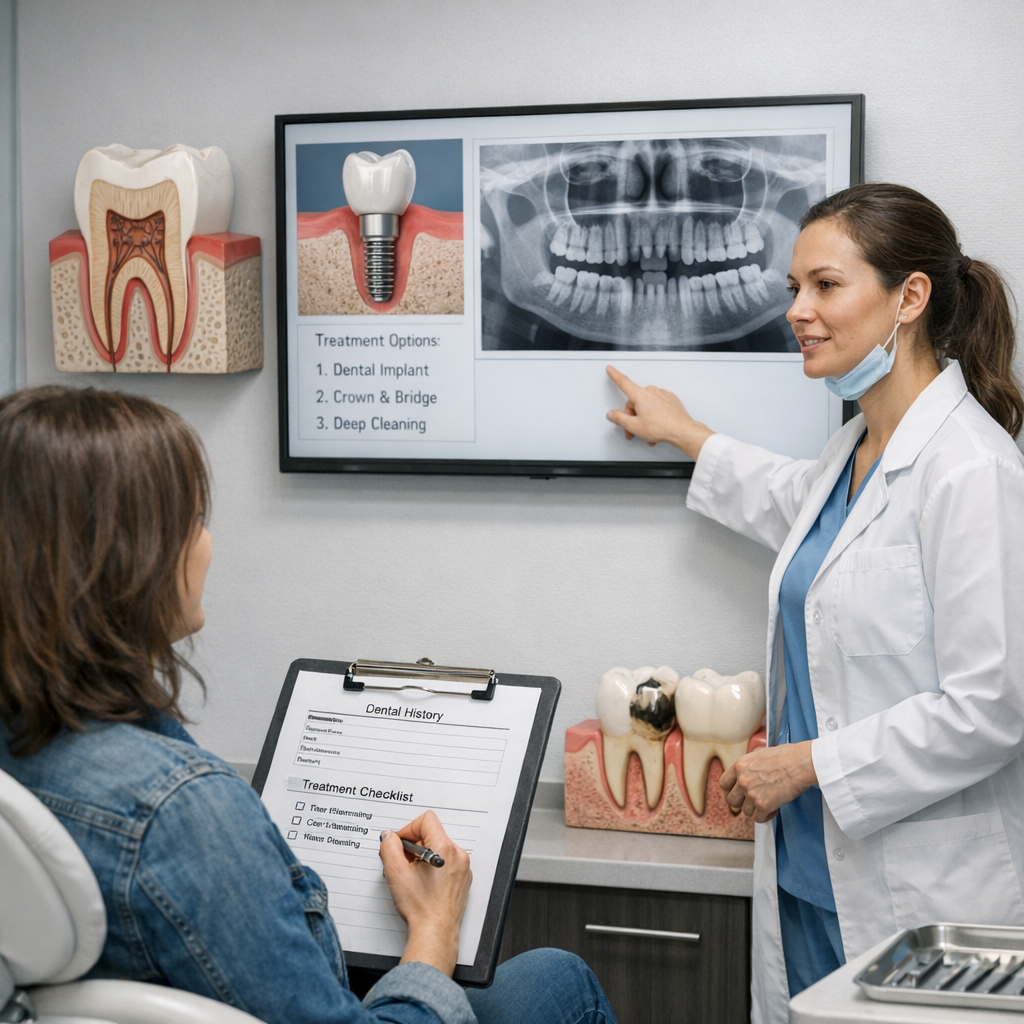
Dentist explaining dental treatment plans to patient using digital screen with tooth illustrations

Comparing Common Plan Types and Coverage Scenarios

When comparing dental coverage, it often helps to look at broad plan structures first, then narrow choices based on how you actually use care. Some options may be better for people who want provider flexibility, while others may suit those focused on lower monthly costs and routine in-network visits. The right fit depends on your budget, how often you go to a dental clinic, and whether you expect to need more specialized treatment.

PPO vs HMO vs indemnity-style plans

PPO plans often work for people who want a wider choice of dentists and some out-of-network flexibility, though premiums and out-of-pocket costs may be higher. HMO-style plans may suit people comfortable choosing from a smaller network and following referral rules in exchange for more predictable costs. Indemnity-style plans are sometimes better for those who value provider choice most, but they may involve more paperwork and less cost control. Discount-style arrangements are different from insurance and may simply reduce fees at participating offices rather than pay claims toward covered services.

What to know about braces and specialty coverage

Dental insurance for braces can be more limited than preventive or basic restorative coverage. Orthodontic benefits may have age restrictions, waiting periods, separate deductibles, or lifetime maximums that cap what the plan will pay. Specialty care can also follow different rules depending on the policy, so it is important to review exclusions and preauthorization requirements carefully. If you are also comparing larger restorative needs, this dental implant treatment options guide may help you understand how treatment type can affect planning and expected costs.

For many people, preventive coverage and network flexibility are the main priorities, especially if they schedule regular cleanings and exams. Others may focus more on potential support for braces or other specialized services. Comparing plan rules side by side usually gives a clearer picture than looking at premiums alone.

Looking Beyond the Quote: Real-World Costs to Estimate

When comparing dental coverage, it helps to look past the monthly premium and think in terms of total yearly spending. A lower premium may seem attractive at first, but the real value of a plan often depends on how deductibles, coinsurance, copays, and annual maximums work together once you actually use care.

A practical way to budget is to start with the premium you expect to pay over 12 months. Then add the costs you may reasonably face for preventive visits, standard exams, cleanings, and any likely follow-up treatment. If you already know you may need periodontal maintenance or additional visits, include those in your estimate as well. This gives you a more realistic picture than comparing quotes alone.

How to estimate your likely yearly dental spending

Think of the math in layers: annual premium, then deductible, then your share of covered services through coinsurance or copays, all while keeping the plan’s annual maximum in mind. Once benefits are used up, you may be responsible for a larger share of treatment costs. That is why utilization matters so much when judging whether a plan fits your needs.

Because exact out-of-pocket costs depend on plan terms, provider fees, and individual treatment needs, estimates should stay general until you review the details carefully. If you are also weighing long-term cost considerations in dentistry, it can be helpful to compare likely yearly spending scenarios rather than focusing on one quoted number.

Infographic showing annual health insurance cost flow with premium, deductible, coinsurance, insurer share, and annual max.

How to Review Dental Insurance Quotes Step by Step

Use this simple checklist to compare quotes in a practical way and narrow your options with more confidence. The goal is not to predict every cost, but to make sure the plan matches your likely care needs, timing, and provider preferences.

A simple 5-step quote review checklist

  1. List your likely care needs for the year. Think about cleanings, exams, fillings, crowns, gum care, or any treatment you may already expect. This gives you a practical baseline for comparing benefits.
  2. Compare annual maximums and waiting periods. A lower premium may come with stricter limits or delays before certain services are covered, so review both numbers together.
  3. Verify network participation and exclusions. Check whether your preferred dentist or specialist is in network and look closely at services the plan does not cover.
  4. Review preventive and periodontal coverage details. Confirm how often preventive visits are included and whether gum-related treatment has different limits, percentages, or conditions.
  5. Confirm anything unclear directly with the insurer or provider office. If a quote seems vague, ask for clarification before enrolling. If you are also researching treatment timing, this same-day dental implant treatment overview may help you frame questions about future care needs.
Infographic showing 5-step checklist for reviewing dental insurance quotes, from needs assessment to verification.

Questions to Ask If You Expect Ongoing Gum Care

If you think you may need ongoing gum-related care, it can help to review your dental benefits before treatment planning begins. Coverage for periodontal maintenance, deep cleaning dental services, specialist visits, and follow-up appointments may vary, and the details often depend on your specific condition and your individual plan.

Benefit questions worth asking before treatment planning

Useful questions include: How often is periodontal maintenance covered? Is there a waiting period? Are specialist evaluations included? Does your plan require preauthorization for certain services? You can also ask whether follow-up care is handled differently from routine cleanings and whether annual maximums may affect timing.

For the most accurate guidance, bring your insurance details to an in-person evaluation so the office can help you understand how your benefits may apply to your care needs. If you are also comparing restorative options connected to long-term oral health planning, you can review implant-supported tooth replacement options.

Frequently Asked Questions About Dental Insurance Quotes

Are dental insurance quotes accurate?

Dental insurance quotes are usually helpful estimates, but they are not a guarantee of final costs. Actual pricing and coverage can depend on plan terms, provider network participation, waiting periods, and the specific treatment you receive. It is best to confirm details before care is scheduled.

What should I compare besides the monthly premium?

Look beyond the premium and compare the deductible, annual maximum, waiting periods, network requirements, and exclusions. These details can affect how much you pay when you actually use the plan. A lower premium does not always mean lower overall costs.

Does dental insurance usually cover braces?

Some dental plans include orthodontic benefits, but braces coverage is often limited. Plans may have age restrictions, waiting periods, or lifetime maximums for orthodontic care. Review the policy carefully to see whether braces are included and under what conditions.

Are dental cleaning and deep cleaning dental services covered the same way?

Not usually. Routine cleanings are commonly treated as preventive care, while deep cleanings are often classified as periodontal or restorative treatment with different coverage rules. Because categories vary by plan, verify benefits before treatment.

Can I use dental insurance with a specialist?

In many cases, yes, but it depends on the plan’s network and referral rules. Some plans provide better benefits for in-network specialists, while others may require a referral from a general dentist. Check the benefit structure in advance so you understand your expected out-of-pocket costs.

When to Speak With a Periodontal Office About Your Benefits

If you have questions about how your dental benefits may relate to periodontal maintenance or specialty care, a periodontal office can help review the information you bring and discuss how benefits may apply to recommended care after an in-person evaluation. This can be a helpful next step when you want clearer guidance for treatment planning without making assumptions about coverage.

Bring your questions and plan details to your visit

Bring your plan details, treatment history, and any questions you want to discuss. A personalized conversation can help you understand the recommended care, what information may be needed for insurance verification, and what to ask before moving forward.

Request an appointment

Choose Dental Insurance Quotes With More Confidence

When comparing dental insurance quotes, the best option is not always the lowest monthly price. The right plan depends on the care you expect to need, what fits your budget, how long you may need to wait for certain services, and exactly what the policy covers once treatment begins.

As you review quotes, focus on total value rather than headline cost alone. Check deductibles, annual maximums, exclusions, and whether preventive services are covered as expected. If gum health is a concern, it is especially important to verify periodontal benefits carefully so you understand what is included before scheduling care.

Focus on value, not just the quote price

A confident decision comes from comparing details side by side and choosing a plan that matches your likely needs. With a clear framework and a careful review of coverage terms, you can move forward knowing your quote supports informed, practical decision-making.

Dentist and patient consultation about dental implants and bone grafting in a modern, well-lit periodontal clinic

Bone Graft for Dental Health: Procedure, Healing, and Options

A dental bone graft is a procedure used to help rebuild or preserve jawbone volume when there is not enough healthy bone in a specific area. You may hear this term from a periodontist after a tooth extraction, during implant planning, or when treating bone loss related to periodontal defects. In simple terms, grafting supports the foundation of your mouth, but whether it is recommended depends on your anatomy, oral health, and overall treatment goals.

For some patients, grafting helps prepare a site for future treatment. For others, it may be used to help maintain bone shape after a tooth is removed. Healing and outcomes can vary from person to person, which is why a clinical exam and imaging are important before any plan is made. A specialist will look at the amount of bone present, the condition of the surrounding tissue, and the timing of any next steps.
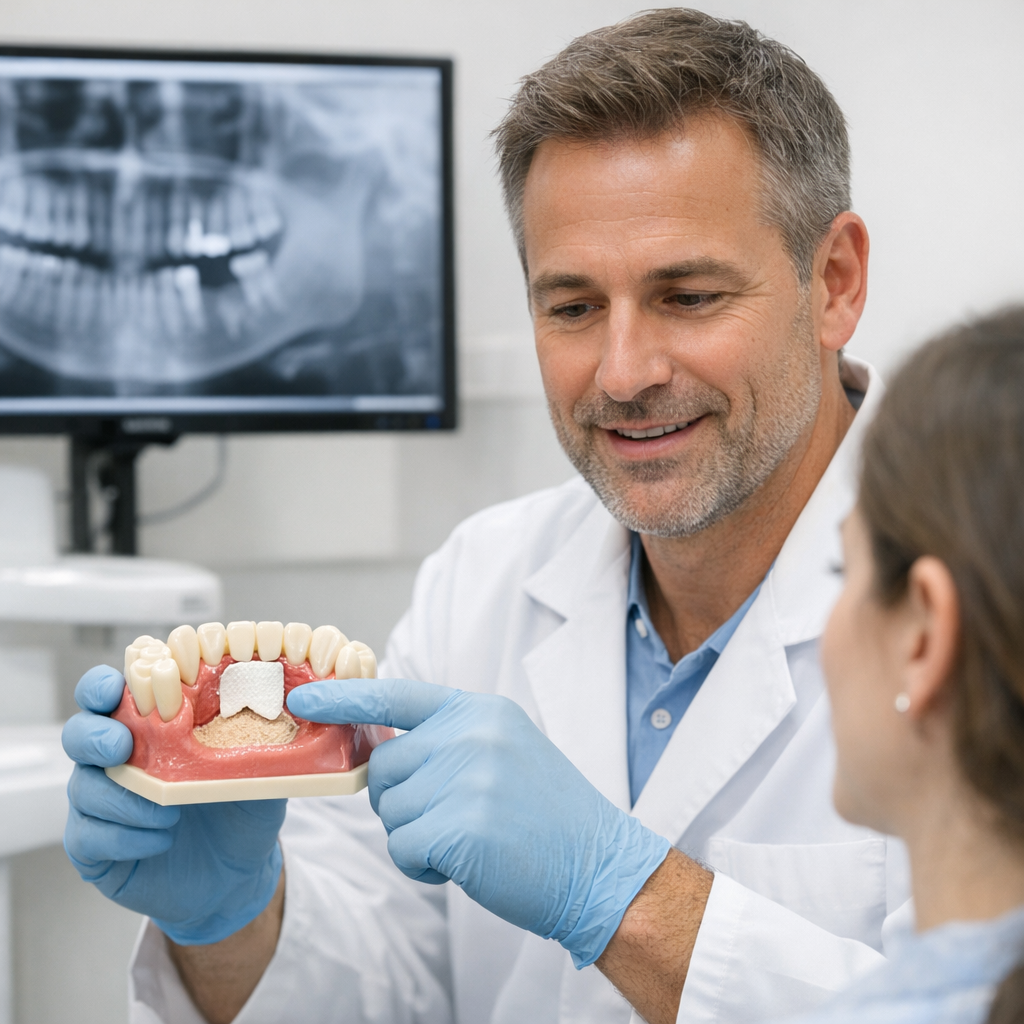
What this guide covers

This guide explains bone graft basics, common healing stages, different graft materials, the role of membranes, and situations where a specialist may recommend grafting as part of a personalized treatment plan.

What Is a Dental Bone Graft?

A dental bone graft is a procedure used to place grafting material in an area where bone has been lost or where bone shrinkage is expected. In dentistry and periodontics, the goal is not simply to fill space. The material helps support the body’s natural healing response and may act as a scaffold where new bone can form over time. Depending on the situation, treatment may focus on preserving existing bone after a tooth extraction or rebuilding bone in a site affected by disease, trauma, or long-term tooth loss.

The exact bone graft procedure depends on imaging, the size and shape of the defect, and the overall treatment plan. Bone volume matters because it helps support teeth and gums, contributes to the shape of the jaw, and can affect whether future restorative care is possible. For example, if a patient is considering implants or even certain implant supported partial denture solutions, the amount and quality of available bone can be an important part of planning.

Why jawbone support matters

Healthy jawbone helps anchor teeth, support gum tissues, and maintain facial structure. When bone volume decreases, nearby teeth may have less support, and future treatment options may become more limited. In some cases, preserving or improving bone can help create a more stable foundation for restorative care, but the expected outcome varies from person to person.

When grafting may be discussed

Grafting may be discussed after a tooth extraction, during implant planning, or when periodontal disease has created a defect around a tooth. It may also be considered after trauma or in areas where a tooth has been missing for a long time and the bone has thinned. Not every patient needs the same approach, and different bone graft types may be recommended based on the site and treatment goals.

Periodontist explaining jawbone loss and graft placement using a 3D scan during dental consultation

Why a Periodontist May Recommend a Bone Graft

A periodontist may recommend extraction and bone graft treatment when the goal is to preserve anatomy and keep future care options open. In some cases, the jawbone can change shape after a tooth is removed, which may affect the contour of the ridge and the way a site can be restored later. Grafting is often considered to help maintain bone volume and support treatment planning, but it is not always necessary for every patient.

Preserving bone after tooth removal

One common reason for grafting is ridge preservation after an extraction. By placing grafting material in or around the socket when clinically appropriate, a periodontist may help reduce some of the collapse that can happen as the area heals. Maintaining ridge shape can be important for appearance, function, and the range of restorative choices available later.

Supporting future implant planning

Bone grafting may also improve the foundation for future implant placement in some situations. Adequate bone volume can matter for implant positioning and long-term planning, depending on the case. For patients exploring immediate dental implant treatment options, preserving or developing the site may play a role in how treatment is sequenced.

A graft may also be used around certain periodontal defects where additional support is clinically appropriate. The overall benefit is often less about making promises and more about protecting structure, preserving flexibility, and helping your specialist plan care based on your specific needs.

Infographic with three icons showing reasons for dental bone grafting: extraction, implant, and periodontal support.

Bone Graft Procedure: What Typically Happens

Periodontist explains planned gum graft using digital imaging in a modern dental operatory

A bone graft procedure is planned around the condition of the treatment site, your oral health, and the overall goal of care. While the exact technique can vary, the process usually follows a clear sequence so you know what to expect before, during, and after the appointment. Comfort measures are typically used throughout treatment, and your periodontist will explain how the approach fits your specific needs.

Evaluation and treatment planning

The first step is a pre-procedure evaluation. This commonly includes an exam, a review of your medical and dental history, and imaging to assess the area in detail. These findings help determine the size and shape of the defect, the type of graft material that may be appropriate, and whether additional support may help guide healing. Because every site is different, recommendations are individualized rather than one-size-fits-all.

Placement of graft material and membrane

Once the area is prepared, the provider places the bone graft material where support is needed. In some cases, a membrane is used over the grafted area to help protect it and support the healing process. The decision to use a bone graft and membrane depends on the location, the amount of missing bone, and the treatment objective. After placement, the tissue is repositioned and sutures are used to close the site.

Immediate aftercare guidance

Before you leave, you will receive post-op instructions tailored to your situation. These may cover oral hygiene, diet, activity, medications, and timing for follow-up visits. Healing guidance can differ based on the procedure performed, so it is important to follow the instructions given by your office. In selected cases, ozone therapy as a supportive option may also be discussed as part of the overall care plan.

How to Understand Bone Graft Healing Stages

Timeline infographic of four bone graft healing stages with icons for stabilization, healing, remodeling, and reassessment.

Understanding bone graft healing stages can be helpful, but it is best to think of them as a general framework rather than a fixed schedule. Healing depends on the type of graft, the location, your overall health, and how the area responds during follow-up visits. In most cases, your treating periodontist relies on both a clinical exam and, when appropriate, imaging to judge progress more accurately than symptoms alone.

Early healing

In the early phase, the body works to stabilize the area. A protective clot forms, the surrounding tissue begins to close, and the site starts its initial repair response. This is one reason post-operative instructions matter so much: protecting the area supports normal healing and helps reduce avoidable irritation. Mild swelling, tenderness, or temporary changes in how the area feels may happen, but those sensations do not fully show what is happening beneath the surface.

Bone remodeling and maturation

After the early phase, the body continues remodeling the grafted area over time. This is a gradual process in which the site matures and is reassessed before any next treatment steps in some cases. Because this stage varies from person to person, it is important not to compare your progress to someone else’s experience or to assume online timelines apply to you exactly. Readiness for future procedures is determined by your treating office based on how the site looks clinically and, when needed, on imaging.

If you are unsure whether your healing is on track, the safest next step is to contact the treating periodontist rather than self-diagnosing online. Questions about discomfort, appearance, or changes at the site are best answered by the office that knows your procedure and follow-up plan.

Bone Graft Types and Bone Graft vs No Bone Graft

Understanding bone graft types can make treatment recommendations feel more practical and less overwhelming. In simple terms, clinicians may use an autograft, which uses your own bone; an allograft, which is processed donor bone; a xenograft, which is derived from another species and specially prepared for dental use; or a synthetic graft, which is made from biocompatible materials. Each option has different handling characteristics, healing behavior, and ideal uses depending on the area being treated.

No single material is automatically best for everyone. The choice often depends on how much support is needed, the shape of the defect, whether an implant is planned, and the overall goals of treatment. For patients exploring future tooth replacement, grafting may help preserve ridge shape and support options such as full fixed implant restoration options.

Common bone graft types

Autografts are sometimes chosen when a patient’s own tissue is preferred. Allografts are commonly used because they avoid a second donor site. Xenografts may be selected when slower resorption or space maintenance is helpful. Synthetic materials can also play an important role in certain cases. The right selection depends on anatomy, the treatment plan, and how the site is expected to heal.

When grafting may be considered versus not

In the bone graft vs no bone graft discussion, the key question is often what may happen to the bone after extraction or before implant placement. Grafting may be considered when preserving volume could support future function or appearance. In other situations, monitoring, healing without grafting, or choosing a different restorative plan may be reasonable. Not every extraction site requires the same approach, so the decision should be based on current bone shape, expected changes, and long-term goals.

Common Concerns: Membranes, Dry Socket, and Extraction Sites

It is common to have questions about extraction and bone graft healing, especially when terms like membrane or dry socket come up. A membrane is a thin barrier that may be used in selected grafting cases to help protect the site and support healing while the area stabilizes. Not every case uses one, and the exact approach depends on the procedure and the treating clinician’s goals.

Questions about dry socket with bone graft should be handled carefully. Some symptoms can overlap with normal healing, irritation, or other issues, so online self-diagnosis is not reliable. If pain is increasing, swelling seems worse, bleeding continues, or the area looks unusual to you, the safest next step is to contact the treating office for an examination. Only an in-person evaluation can determine what is happening.

What a membrane does

In simple terms, a membrane acts like a protective cover over a grafted area in certain situations. Its role is to help separate tissues and support the environment the site needs during early healing.

When to contact the treating office

If you are unsure whether healing looks normal after an extraction and bone graft, it is best to check with your dental team promptly. For patients exploring future tooth replacement options, it may also help to learn about implant overdenture treatment pathways.

Dentist demonstrating tooth extraction site and membrane placement with model and X-ray in dental clinic

Frequently Asked Questions About Bone Grafts

Quick answers to common questions

What is a dental bone graft used for?
A dental bone graft is used to help support the jawbone after bone loss or after a tooth is removed. It may help preserve or rebuild bone in areas where future treatment, including implants, could be considered.

How long do bone graft healing stages usually take?
Healing can vary based on the size of the graft, the location, and your overall health. Some early healing happens in the first few weeks, but fuller integration often takes longer, so timing should be confirmed by your dentist or oral surgeon.

Is a membrane always used with a bone graft?
Not always. In some cases a membrane is used to help protect the grafted area, but whether it is appropriate depends on the site and the treatment plan.

Can extraction and bone graft happen at the same visit?
Yes, in some situations they can be done during the same appointment. However, that decision depends on the condition of the tooth, surrounding bone, and whether the area is suitable after evaluation and imaging.

What is the difference between bone graft vs no bone graft after extraction?
A graft may be recommended when preserving bone shape or volume is important for future function or tooth replacement planning. Without a graft, the area may heal naturally, but changes in bone dimensions can occur over time.

Should I worry about dry socket with bone graft?
Dry socket is a concern after some extractions, but risk varies by case and by how the site heals. Following aftercare instructions and attending follow-up visits can help your clinician monitor healing, though only an exam can confirm whether recovery is progressing as expected.

When to Schedule a Periodontal Evaluation

If you are planning an extraction, considering a dental implant, or have been told you may have bone loss, a periodontal evaluation can help clarify your next step. During a consultation, the team can review your exam findings and imaging, explain what they see, and discuss whether grafting may be appropriate for your situation. Recommendations are based on your oral health, goals, and treatment timeline.

If you are also weighing practical considerations, you may find it helpful to review financing options for dental implants before your visit.

Request an appointment

Request an appointment for a personalized consultation and imaging review. The team can explain whether grafting may help in your case and outline treatment options clearly.

Schedule a consultation

Key Takeaways on Bone Grafting

Bone grafting is used to help rebuild or support bone in areas where volume or strength may be needed for future dental treatment. Depending on the situation, a graft may be recommended to preserve the jaw after tooth loss, prepare for an implant, or improve overall stability. The process, healing timeline, and materials used can vary, which is why treatment planning is based on both clinical findings and imaging.

In general, the goal is not just to place grafting material, but to create the right foundation for long-term oral health. Healing often happens in stages, and the best approach depends on the location, the amount of bone needed, and your individual treatment goals. Some patients need a smaller, more straightforward procedure, while others may require a more detailed plan.

A personalized plan matters

If you have questions about bone grafting, the most helpful next step is a professional evaluation. A personalized recommendation can clarify whether a graft is needed, what type may be appropriate, and what healing may look like in your case. With the right assessment and planning, patients can move forward with greater confidence and a clearer understanding of their options.

Dentist explaining zirconia dental implant options to an adult patient in a modern, well-lit dental clinic

How a Dental Implants Dentist Evaluates Zirconia Options

Many people looking for a dental implants dentist start by comparing implant materials, appearance, comfort, and long-term maintenance. Zirconia implants are one option among several, and they may be part of the conversation when a provider reviews your needs. In practice, a dental implants dentist does more than discuss materials alone. They assess oral health, bone support, bite function, gum condition, and cosmetic goals before recommending a treatment approach.

This guide is designed to help you understand how zirconia implants fit into the bigger picture of implant planning. It offers a balanced overview of what to compare, what questions to ask, and what factors may affect candidacy. Because every mouth heals and functions differently, outcomes and timelines can vary from person to person.

Use this article as a starting point, not a substitute for an exam. The most useful next step is an in-person evaluation, where a qualified provider can determine whether zirconia implants or another solution better matches your anatomy, bite, and treatment goals.

What Are Zirconia Dental Implants?

Zirconia dental implants are implants made from a ceramic material rather than titanium. In plain terms, they are one type of implant material used in selected cases to replace missing tooth roots and support a future restoration. Some patients ask about zirconia because they prefer a metal-free option, but that does not automatically make it the best choice for every situation.

Zirconia as an implant material

Zirconia is a strong ceramic that has been used in dentistry for different types of restorations. For implants, its appeal is often tied to appearance and material preference. Even so, strength is only one part of the discussion. The shape of the jaw, gum health, bite forces, and the position of the missing tooth all affect whether a zirconia implant is appropriate. Treatment planning is individualized, and not every patient is an ideal candidate for every implant design.

Design and restorative considerations

At a high level, zirconia implants may be designed as one-piece or two-piece systems. A one-piece design combines the implant and abutment into a single unit, while a two-piece design separates those parts for added restorative flexibility. That difference can matter when angulation, bite alignment, or final restoration goals are complex. In some cases, other tooth replacement options, including implant supported partial denture solutions, may also be part of the conversation. The right recommendation depends on anatomy, gum condition, and how the final restoration needs to function over time.

Periodontist explaining dental implant materials to patient with digital display and anatomical tooth model

Why Patients Consider Zirconia Implants

When patients speak with a dental implants dentist about zirconia implants, the conversation often centers on appearance, material preference, and how the restoration may fit into a broader treatment plan. These are best understood as discussion points rather than guarantees, since anatomy, bite forces, gum health, and prosthetic design all influence what may be appropriate for a specific case.

Aesthetic considerations

Zirconia may appeal to some patients in visible smile areas because the material is tooth-colored rather than metallic. In certain restorative situations, that characteristic may be relevant where gum contours are thin or where smile display is a major concern. That said, cosmetic outcomes depend on far more than implant material alone, including soft tissue support, crown design, and overall treatment planning.

Patient preferences and treatment goals

Some patients ask about ceramic-based options for personal reasons, including a preference for metal-free materials. For these individuals, zirconia may be worth discussing as part of a comprehensive restorative approach. A dentist will typically weigh those preferences alongside clinical factors such as bone availability, site location, and the demands the final restoration will need to handle.

Why maintenance still matters

Regardless of material, long-term success still depends on careful maintenance. Professional follow-up visits, consistent home care, bite management, and thoughtful prosthetic design remain important. In other words, zirconia may be preferred by some patients, but individualized planning and ongoing care are still essential parts of the decision.

Icon grid infographic showing four zirconia implant considerations: aesthetics, material, tissue, maintenance.

How a Dental Implants Dentist Evaluates Candidacy

Dental specialist reviews digital X-rays with patient, showing bone levels and implant placement in modern exam room

A zirconia implant candidacy consultation is designed to gather the information needed for a safe, realistic treatment plan. Rather than diagnosing online or assuming every patient is a candidate, a dental implants dentist evaluates your medical and dental history, current oral health, imaging, bone support, and bite before making recommendations. This process helps clarify whether zirconia implants may be appropriate now, or whether other concerns should be addressed first.

Reviewing health history and oral conditions

The evaluation usually begins with a review of systemic health, medications, healing factors, and habits such as smoking. These details matter because they can influence tissue response, healing, and long-term stability. Your dentist or periodontist will also examine the gums, teeth, and supporting structures for signs of inflammation, infection, recession, or active periodontal problems. If gum disease or another issue is present, that may need to be treated before implant planning moves forward. In some cases, a routine dental check up or periodontal evaluation is part of the pathway to a more complete consultation, and supportive therapies such as ozone therapy as part of care may be discussed where appropriate.

Imaging, bone support, and bite analysis

Diagnostics are a key part of candidacy assessment. Digital X-rays or 3D imaging can help show bone volume, bone contours, nearby anatomical structures, and the space available for implant placement. The dentist also evaluates how your teeth come together, since bite forces and alignment affect implant position, angulation, and restorative design. If bone support is limited or the site presents other challenges, additional procedures may be part of the conversation. The goal is not to promise eligibility, but to understand what conditions exist and what options may be available.

Coordinating the surgical and restorative plan

A strong treatment plan considers the surgical and restorative phases together. That means planning the implant position in relation to the future crown or prosthetic restoration, smile appearance, function, and cleanability. When needed, coordination between the surgical provider and restorative dentist helps align expectations and sequencing. This transparent planning process is meant to give patients a clear understanding of next steps, timing, and whether zirconia implants fit their needs after a thorough in-person evaluation.

Zirconia Implants vs Other Tooth Replacement Options

When comparing zirconia implants vs other options, the most important question is what problem is being treated. Zirconia and titanium implants are both used to replace missing teeth, while bridges and removable prosthetics are alternatives for tooth replacement. Cosmetic services, by contrast, improve the look of existing teeth but do not replace a tooth that is missing.

Zirconia vs titanium implants

Zirconia implants are metal-free and are often discussed in relation to aesthetics and material preference. Titanium implants have a long history of use and may offer different restorative planning options depending on the case. Neither is universally better for every patient. Bone support, bite forces, gum appearance, and the final restoration plan all matter. In some situations, patients may also want to review immediate dental implant treatment options as part of the broader discussion.

Implants vs cosmetic dental treatments

Implants are designed to replace missing teeth. Veneers, whitening, and similar cosmetic treatments improve color, shape, or surface appearance of teeth that are still present. That distinction is important: a dental veneer or teeth whitening dentist service may enhance a smile, but those treatments are not an alternative when a tooth needs to be replaced.

Implants vs removable or bridge options

Compared with bridges or removable appliances, implants may offer a different feel, support pattern, and maintenance routine. Bridges can be appropriate in selected cases, and removable options may suit certain health, budget, or anatomical needs. The right choice depends on comfort goals, oral condition, and long-term treatment priorities.

Infographic comparing four dental solutions across support, maintenance, and treatment goals.

How to Choose the Right Dental Implants Dentist

Use this simple checklist to compare providers and get more value from your consultation. The goal is to find a clinician with appropriate training, a thorough planning process, and a communication style that helps you feel informed about options, timelines, and long-term care.

1. Review training and implant experience

Ask about advanced education in implant dentistry, periodontics, oral surgery, or restorative care. Look for a provider who uses detailed diagnostics, such as clinical exams and imaging, and who can explain how bone, gum health, bite, and overall oral condition affect treatment planning.

2. Ask the right consultation questions

During the visit, ask whether you are a candidate, what alternatives may be appropriate, how many stages may be involved, and what maintenance is expected after treatment. It is also helpful to ask what factors could change the plan, such as healing, bone support, or existing dental conditions.

3. Prepare for your dentist appointment

Before your dentist appointment, bring prior dental records or imaging if available, a list of medications and medical conditions, and notes about your goals, concerns, and budget questions. Writing down your questions in advance can make it easier to compare recommendations and discuss expected maintenance over time.

patient and dentist reviewing dental records and treatment options with digital X-ray display

What Affects the Cost of Zirconia Dental Implants?

The cost of zirconia dental implants can vary widely because treatment is tailored to the individual rather than offered as a one-size-fits-all service. Online pricing is often limited because a meaningful estimate depends on your oral health, treatment goals, and the steps needed to complete care safely. If you are comparing options, it can help to review broader cost considerations for delaying implants alongside the factors that shape treatment itself.

Main factors that influence pricing

Several cost factors may affect your estimate, including the number of implants needed, diagnostic imaging, and whether bone grafting or other preparatory care is recommended. Pricing can also change based on surgical complexity, the design of the final restoration, and how many appointments are required for planning, placement, healing, and follow-up care. In some cases, treatment may involve multiple phases to support long-term function and health.

It is also important to separate implant treatment from unrelated searches such as veneers dental price. Veneers and implants address different needs, use different materials and techniques, and are not priced in the same way.

Why a consultation matters for pricing

A consultation helps determine what your case actually requires. An exam allows the clinician to evaluate anatomy, gum and bone support, spacing, bite forces, and the sequence of treatment before giving an estimate. That approach is safer, more accurate, and more transparent than quoting a generic fee without understanding the full picture.

Maintenance, Follow-Up, and Long-Term Care

Long-term implant care usually includes consistent home hygiene, routine professional cleanings, bite monitoring, and periodic evaluations based on your treating clinician’s recommendations. Daily brushing and interdental cleaning can help support the surrounding tissues, while scheduled visits allow your dental team to review how everything is functioning over time. If you are researching full fixed prosthesis implant information, it is also helpful to understand that maintenance is an ongoing part of care.

Home care and professional maintenance

At-home care often includes brushing thoroughly, cleaning between teeth or around restorations as instructed, and keeping regular professional review appointments. A “dental cleaning near me” search may help with general maintenance planning, but implant-specific follow-up should follow the guidance of the clinician overseeing your treatment.

When to contact your dental team

If you notice soreness, a change in how your bite feels, mobility, gum changes, or anything else that seems different, it is best to arrange an in-person evaluation. Prompt follow-up does not mean something serious is happening, but it can help your dental team assess the area and recommend next steps.

Frequently Asked Questions About Zirconia Dental Implants

What does a dental implants dentist look for before recommending zirconia implants?

A dental implants dentist typically evaluates bone support, gum health, bite alignment, medical history, and your restorative goals. They may also review imaging and the condition of nearby teeth. Recommendations depend on the individual case, including whether additional treatment is needed before implant placement.

Are zirconia dental implants right for everyone?

Not always. Zirconia dental implants can be a good option for some patients, but candidacy varies based on anatomy, oral health, bite forces, and treatment goals. In some situations, another implant material or a different restorative approach may be more appropriate after a clinical evaluation.

Do zirconia implants replace cosmetic treatments like veneers or whitening?

No. Zirconia implants are used to replace missing teeth. Veneers and whitening are cosmetic treatments that improve the appearance of existing teeth. If you have both functional and aesthetic concerns, your dentist may discuss a treatment plan that addresses each issue separately.

How long does zirconia implant treatment take?

Treatment length varies. Timing depends on healing, bone quality, the complexity of the case, and whether procedures such as extraction or grafting are needed. Some patients move through treatment more quickly than others, so the most accurate timeline comes from an in-person consultation.

How do I care for zirconia implants after treatment?

Care usually includes daily brushing, cleaning around the implant as instructed, and keeping regular professional maintenance visits. Follow-up appointments help your dentist monitor the implant, surrounding gum tissue, and bite. Long-term success depends on consistent home care and ongoing professional evaluation.

When to Schedule a Consultation

If you are missing a tooth, exploring implant materials, or comparing treatment options, a consultation can help you understand what may be appropriate for your needs. An in-person exam is the best way to evaluate your oral health, discuss your goals, and review possible next steps with professional guidance.

Request a personalized evaluation

If you have questions about candidacy or want a clearer picture of your options, requesting an appointment is a practical next step.

Request an Appointment

Key Takeaways on Choosing a Zirconia Implant Provider

Zirconia implants may be a strong option in selected cases, but the best material choice should follow a complete evaluation rather than a one-size-fits-all approach. A thoughtful recommendation depends on the full picture, including diagnostics, gum health, bite, and restorative planning.

A balanced way to evaluate zirconia implants

In the end, the right treatment is the one that fits your individual needs, anatomy, and long-term goals. A personalized professional assessment can help clarify whether zirconia implants are appropriate for your situation and support a confident, informed decision.

Dentist consulting with adult patient about platelet-rich plasma and platelet-rich fibrin treatments in a modern dental

Platelet-Rich Plasma vs Platelet-Rich Fibrin: Key Differences in Dental Treatment

Curious about the difference between platelet-rich plasma and platelet-rich fibrin in dental care? Explore how these blood-derived …

Dentist consulting with adult patient about dental implant costs in a modern, well-equipped clinic

Dental Implant Cost Calculator: What Really Affects Your Estimate

Curious why dental implant cost calculators rarely match your final quote? Discover what these tools can—and can’t—reveal …

Dentist showing adult patient digital before-and-after images of crown lengthening in a modern, clean dental clinic

Crown Lengthening Before and After: What to Expect

Curious how crown lengthening can change your smile—or if it’s even right for you? Explore real before-and-after examples, …