
Jaw Bone Surgery: Common Types, Procedures, and Recovery
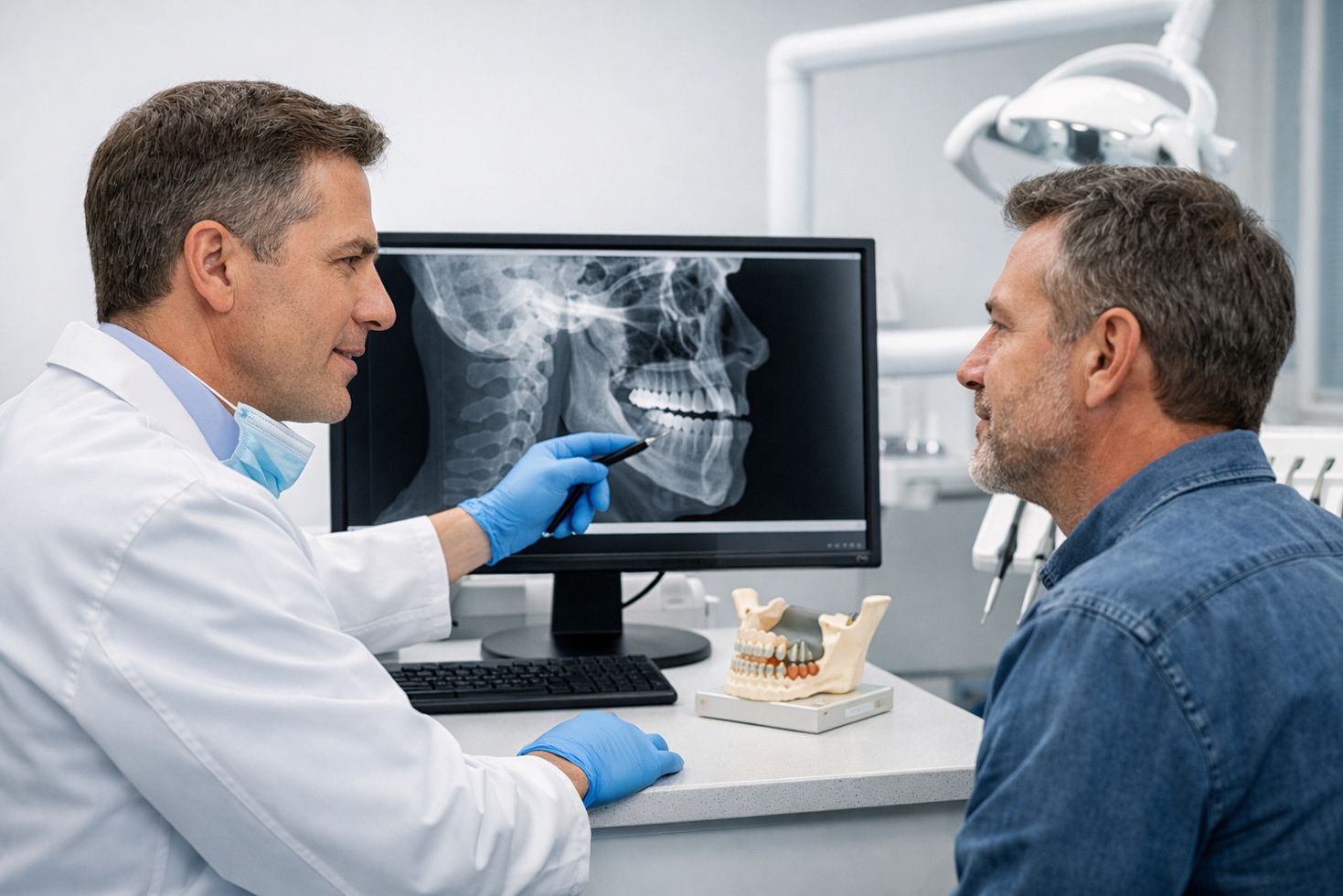
Jaw bone surgery is a broad term for procedures that treat or reshape the jawbone and nearby periodontal structures as part of dental and gum care. In this context, it often relates to bone loss, infection, uneven bone contours, or preparation for future restorative treatment. Depending on the situation, a dentist, periodontist, or oral surgeon may recommend different approaches based on the amount of available bone, the condition of the surrounding tissue, and the overall treatment plan.
For some patients, jaw bone surgery may involve osseous surgery to address areas affected by periodontal disease. In other cases, it may include bone grafting or the use of barrier membranes to support healing and help rebuild bone before implant treatment is considered. Recommendations are highly individualized and usually depend on anatomy, oral health findings, and restorative goals rather than a one-size-fits-all approach.
This article explains the common types of jaw bone surgery used in dental and periodontal care, what the procedures are designed to address, what recovery may involve, and which factors often guide treatment decisions. The goal is to give you a clear, patient-focused overview so you can better understand the topic and discuss next steps with a qualified dental professional.
What Jaw Bone Surgery Can Include
In dentistry, jaw bone surgery is a broad term, not one single procedure. It can describe treatment used to reshape, preserve, rebuild, or prepare bone around teeth or future implants. Depending on the diagnosis, your provider may be referring to bone graft surgery, osseous surgery for periodontal disease, ridge preservation after an extraction, sinus-related grafting in the upper back jaw, or site development for implant placement. The exact approach depends on how much bone has been lost, where that loss is located, and the goal of treatment.
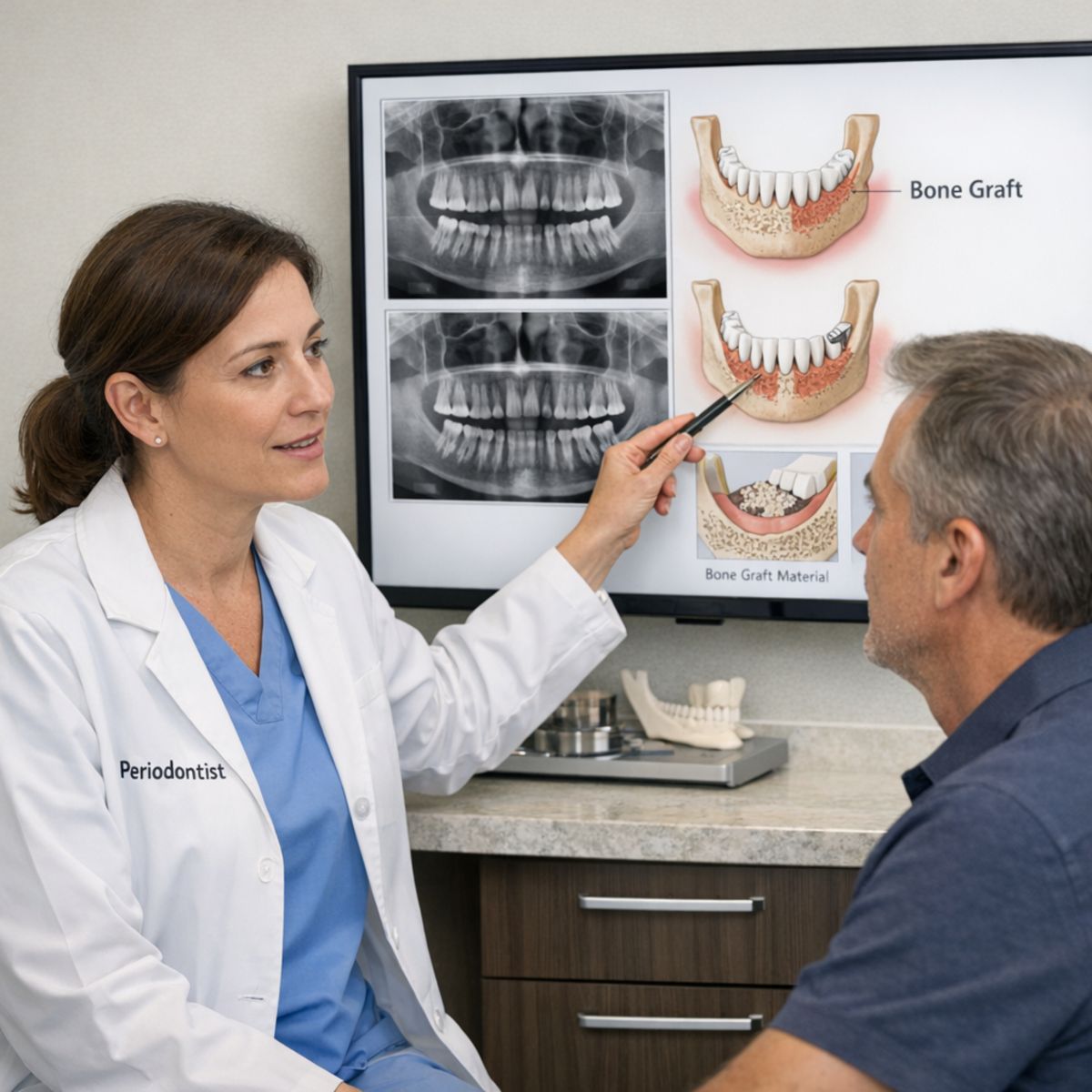
Planning a bone graft procedure is highly specific to the patient. A small defect around a tooth may be treated differently from a larger area needed for an implant site. In some cases, a graft material is placed to support new bone growth or help maintain the shape of the ridge after a tooth is removed. A membrane may also be used with the graft to protect the area and guide healing. Some practices may also discuss platelet concentrates used in healing support as part of the conversation, when appropriate.
Dental context versus broader surgical uses
Here, jaw bone surgery refers to periodontal and implant-related care, not emergency treatment for facial trauma or hospital-based jaw reconstruction. That distinction matters because the term can sound much broader in general medical use. In a dental setting, the focus is usually on supporting tooth stability, managing bone affected by gum disease, or creating enough healthy bone for future restorative treatment.
Why terminology varies
Patients often hear different names because the terminology reflects the clinical goal. Osseous surgery usually refers to reshaping bone affected by periodontal disease. Bone graft surgery often refers to rebuilding or preserving lost bone. Site development may describe preparing an area for a dental implant. These terms overlap, but they are not always interchangeable, and not every patient needs grafting. Your diagnosis, anatomy, and treatment goals help determine which procedure, if any, is recommended.

Common Types of Jaw Bone Surgery
Jaw bone procedures are not all designed to do the same thing. In simple terms, one category often focuses on reshaping bone affected by periodontal disease, while another focuses on rebuilding or preserving lost volume. The right approach depends on anatomy, the pattern of bone loss, tooth support, and long-term restorative planning. That is why an exam, imaging, and discussion of goals are important before deciding between bone graft vs no bone graft.
Osseous surgery for periodontal disease
Osseous surgery is generally used when periodontal disease has created uneven bone contours around teeth and deeper areas that are harder to keep clean. In those cases, osseous surgery treatment for periodontal bone issues may help by reshaping irregular bone and reducing pocket depth where appropriate. The goal is not to add volume, but to create a cleaner environment that may support ongoing maintenance and improve access for home care and professional cleanings.
Bone grafting to rebuild or preserve volume
Bone grafting serves a different purpose. It may be considered when bone needs to be rebuilt or preserved after tooth loss, extraction, trauma, or advanced bone loss. In comparison with osseous surgery, grafting is more focused on supporting contour, stability, and future restorative possibilities. A clinician may discuss bone graft vs no bone graft based on how much bone is present, whether the site needs structural support, and what type of restoration is being planned. That does not automatically mean a patient is or is not a candidate for any specific treatment, because candidacy depends on evaluation.
How graft materials differ
There are several common bone graft types. An autogenous bone graft uses the patient’s own bone. This may be chosen when living bone cells and strong biologic compatibility are priorities. An allograft uses donor human tissue that has been processed for safety. A xenograft is animal-derived, often selected for its scaffold properties. Synthetic materials are man-made graft options designed to support bone formation in specific situations. Each material differs in source, handling, and how it supports healing, so selection is based on the site, the amount of support needed, and the overall treatment plan.
For patients, the most helpful consultation questions are often practical ones: What is the purpose of this procedure, reshaping or rebuilding? Which bone graft types are being considered, and why? How does this choice affect stability, healing, and next steps? Those answers are usually more useful than assuming one method is always better than another.
How a Jaw Bone Surgery Procedure Is Planned
Planning for jaw bone surgery starts with a careful evaluation, not a one-size-fits-all checklist. The goal is to understand your symptoms, dental history, gum health, and long-term restorative goals before any treatment is scheduled. This helps your periodontist build a plan that fits your anatomy, oral health status, and the next phase of care, whether that involves preserving teeth, preparing for implants, or supporting overall function and comfort.
Exam and imaging
During the consultation, the doctor may review areas of swelling, discomfort, bite changes, missing teeth, or previous dental work. A clinical exam often includes checking the gums, measuring periodontal pockets, evaluating bone support, and assessing nearby teeth and restorations. Periodontal charting can help document current conditions and guide treatment decisions.
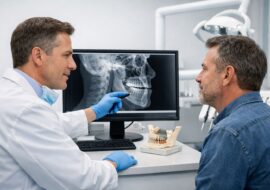
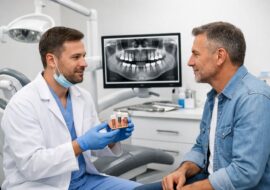
Imaging is then used to look more closely at bone levels and important anatomy. This may include standard X-rays, and in some cases 3D scans when more detail is needed for surgical planning. Not every patient needs the same imaging. The type of scan depends on the site being treated, the amount of available bone, and the questions that need to be answered before surgery.
Treatment sequencing
Once the findings are clear, the treatment plan is sequenced step by step. That may mean controlling infection first, completing periodontal therapy, timing an extraction, or planning grafting before an implant is considered. In some cases, the plan also includes selecting graft material, deciding whether a membrane is helpful, and setting healing intervals before the next procedure.
Because healing and anatomy vary from person to person, timelines can differ. A thoughtful planning process is designed to reduce surprises, support informed consent, and improve outcomes. If you are also researching restorative options, it can help to learn how to evaluate dental implant providers as part of the bigger picture.
How to Prepare for Jaw Bone Surgery and Recovery

Preparing for jaw bone surgery often feels easier when you know the basic steps ahead of time. While your treating team should always guide the details, a simple plan can help you feel more organized before the procedure and more confident during recovery. If you are also researching what to expect from osseous surgery, many of the same preparation habits apply, especially when it comes to following instructions closely.
Before the procedure
- Understand the goal of treatment. Ask what your diagnosis is, what the procedure is intended to address, and what the expected next steps may be. Clear answers can make consent and planning easier.
- Review medications and health history. Go over prescriptions, supplements, allergies, and relevant medical conditions with the treating team. Follow any pre-op instructions about eating, drinking, or medication timing exactly as given.
- Plan for surgery day. If sedation is planned, arrange transportation in advance. Wear comfortable clothing if advised, arrive on time, and have any paperwork or post-op instructions easy to access later.
- Prepare your home. Stock soft foods if recommended, set up a comfortable resting area, and keep any approved supplies nearby so you do not need to search for them after the procedure.
After the procedure
- Follow instructions carefully. Pay close attention to oral hygiene guidance, activity limits, eating recommendations, and follow-up visits. Avoid relying on generic internet advice when it conflicts with your clinician’s directions.
- Give yourself time to rest. Recovery can vary from person to person. Try to keep your schedule light, stay hydrated if permitted, and ease back into normal activity only as instructed.
- Monitor healing and ask when something seems off. If symptoms worsen, feel unusual, or do not match the instructions you were given, contact the office for guidance. Early communication can help address concerns and keep your recovery on track.
Recovery, Healing, and Possible Risks
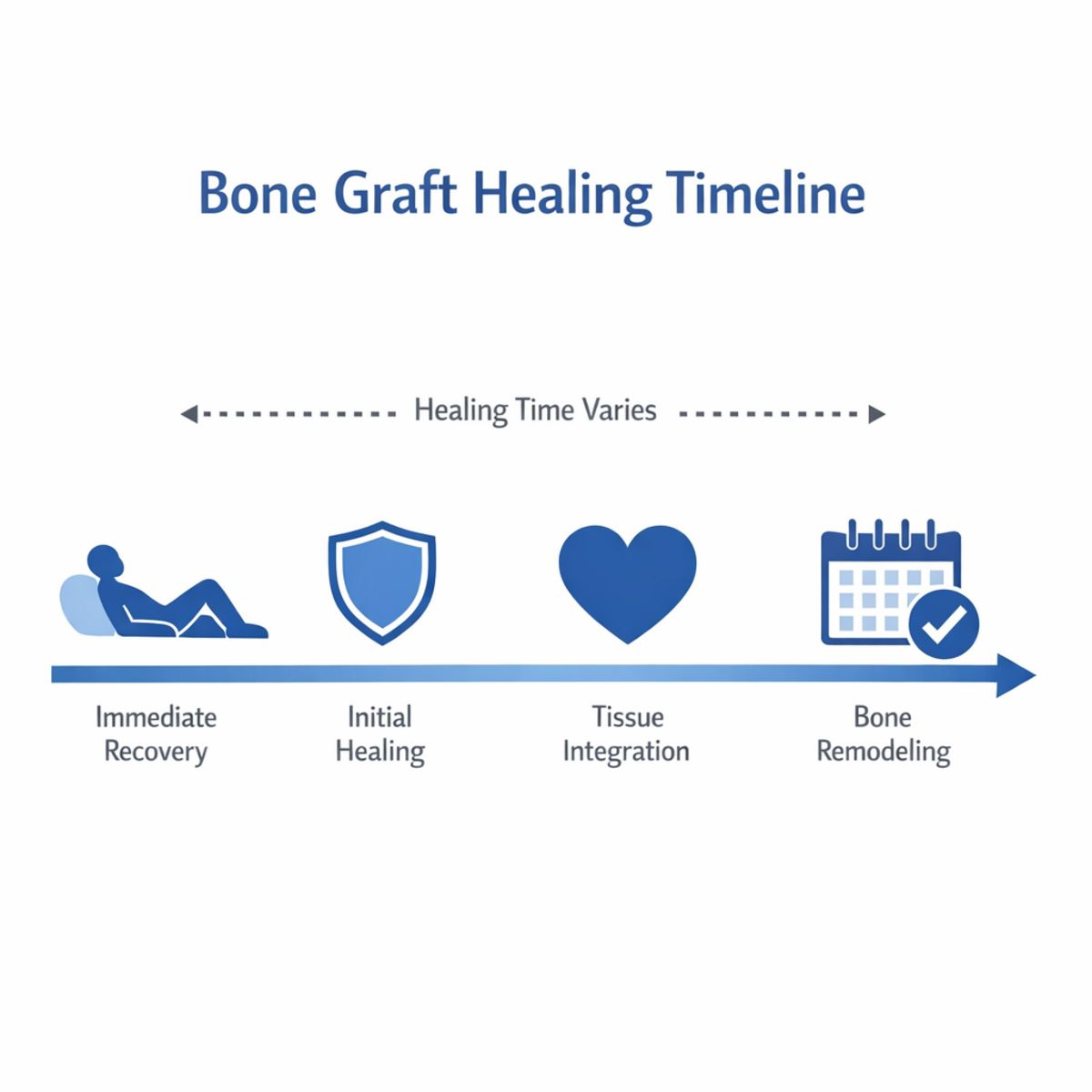
Recovery after a bone graft or related periodontal procedure is often gradual, and bone graft healing stages can look a little different from one person to the next. In the early period, it is common for patients to notice some swelling, minor bleeding, tenderness, or discomfort. As the first phase settles, the soft tissue may begin to close and mature. After that, deeper healing can continue as the grafted area integrates and longer-term bone remodeling takes place. This process may unfold over weeks to months, depending on the situation.
Several factors can affect healing, including the type of procedure performed, the graft material used, whether a membrane was placed, daily oral hygiene, and overall health. Smoking, certain medical conditions, medications, and the complexity of the surgical site may also influence recovery. Following your clinician’s instructions closely, attending follow-up visits, and keeping the area clean can support a more predictable course.
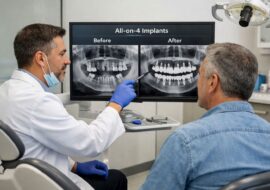
It is also important to understand possible risks. While many patients heal without major issues, concerns can include persistent swelling, bleeding, discomfort, infection risk, graft exposure, or delayed healing. If symptoms seem to worsen instead of improve, or if something does not feel right, it is wise to contact your dental team for guidance. If you are also comparing outcomes related to tooth replacement, you can review full arch implant result considerations for broader treatment context.
General healing stages
At a high level, healing may begin with immediate post-op recovery, move into soft tissue healing, and then continue with deeper bone remodeling. These stages are general, not exact, and your timeline may vary.
Factors that can affect recovery
Oral hygiene, smoking status, medical history, procedure complexity, and follow-up care can all play a role. A personalized discussion with your clinician is the best way to understand what may apply in your case.
Cost and Treatment Variables
Many people ask what jaw bone surgery may cost, and the most accurate answer is that it depends on the details of your diagnosis and treatment plan. Exact fees are usually based on the number of areas being treated, the condition of the bone and surrounding gum tissue, whether grafting material or a membrane is needed, and what type of imaging is required before treatment. Sedation needs and whether care is completed in one visit or staged over time can also affect the overall plan.
In some cases, jaw bone surgery is coordinated with periodontal therapy or implant planning, which can change the sequence of care and the services involved. That is one reason a general online estimate may not reflect your specific situation. If you want a clearer understanding of what to expect, it can help to learn more about osseous surgery care before your visit.
Why pricing varies
Pricing often varies based on diagnosis, the number of treatment sites, materials used, imaging, sedation, and whether treatment is performed in phases. A personalized consultation and written treatment outline are the best way to understand the recommended approach for your needs.
Questions to Ask at Your Consultation
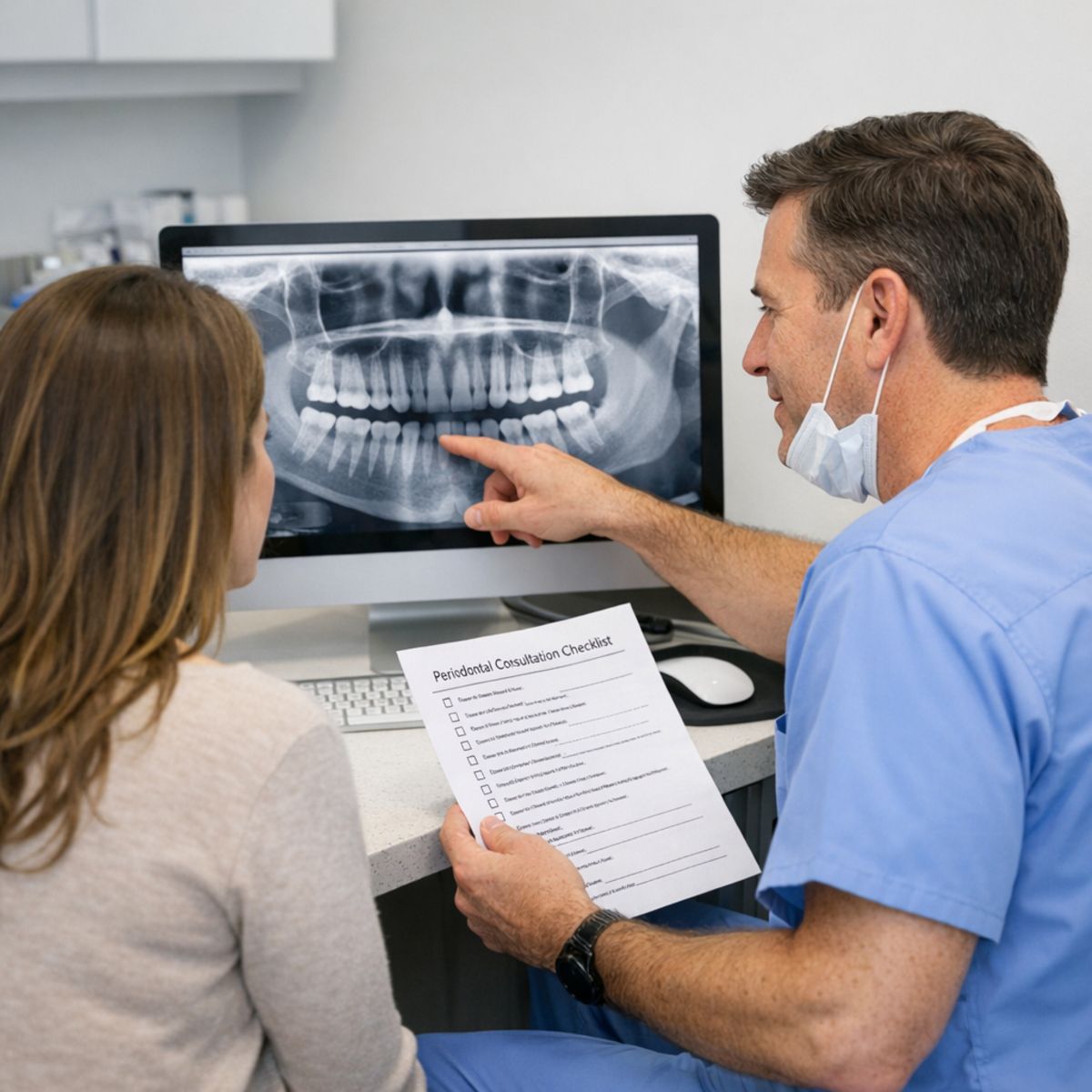
Bring a short checklist to your visit so you can compare options clearly and make an informed decision based on your needs. These questions can help guide a productive conversation with your provider.
- What is the goal of the procedure in my case?
- Do I need a bone graft and membrane?
- What are the alternatives if I do not move forward now?
- How will healing be monitored?
- What follow-up visits are typically needed?
Jaw Bone Surgery FAQ
Is jaw bone surgery always the same as a bone graft?
No. Jaw bone surgery is a broad term that can include bone grafting, ridge preservation, sinus-related procedures, and other treatments involving the jawbone. A bone graft is one specific type of procedure used to help rebuild or support bone in certain areas.
When might a dentist or periodontist recommend bone graft surgery?
A clinician may recommend it when there is bone loss from gum disease, tooth loss, trauma, or infection, or when more support is needed before a future restoration. The decision depends on exam findings, imaging, and the goals of the treatment plan.
How long do bone graft healing stages usually take?
Healing timelines can vary based on the size and location of the graft, the material used, and the patient’s overall oral health. Early healing may occur over weeks, while full integration and readiness for the next step can take several months.
What is an autogenous bone graft?
An autogenous bone graft uses bone taken from the patient’s own body. In some cases, this approach may be considered because it uses the patient’s natural tissue, but suitability depends on the procedure and clinical judgment.
Can jaw bone surgery be done before dental implants?
Yes, bone grafting or related jaw bone procedures are often performed before implant placement when there is not enough bone support. Treatment planning is individualized, and some cases may allow staged care while others may require more healing time first.
What happens if a patient needs bone grafting but delays treatment?
Delaying treatment may allow bone loss or shifting in the area to continue, which can affect future options. That does not mean every delay causes the same outcome, but it is a good reason to have the area re-evaluated and discuss next steps with a qualified dental professional.
Conclusion
Jaw bone surgery is a broad term that can refer to several different procedures, each designed to address a specific concern. The right approach depends on your anatomy, diagnosis, treatment goals, and overall oral health. Planning, surgical techniques, materials, and recovery timelines can vary from one person to the next, which is why an individualized evaluation matters.
If you have been told you may need jaw bone surgery, or you want a clearer understanding of your options, a professional consultation can help you take the next step with confidence.



Recent Comments