Month: <span>November 2026</span>

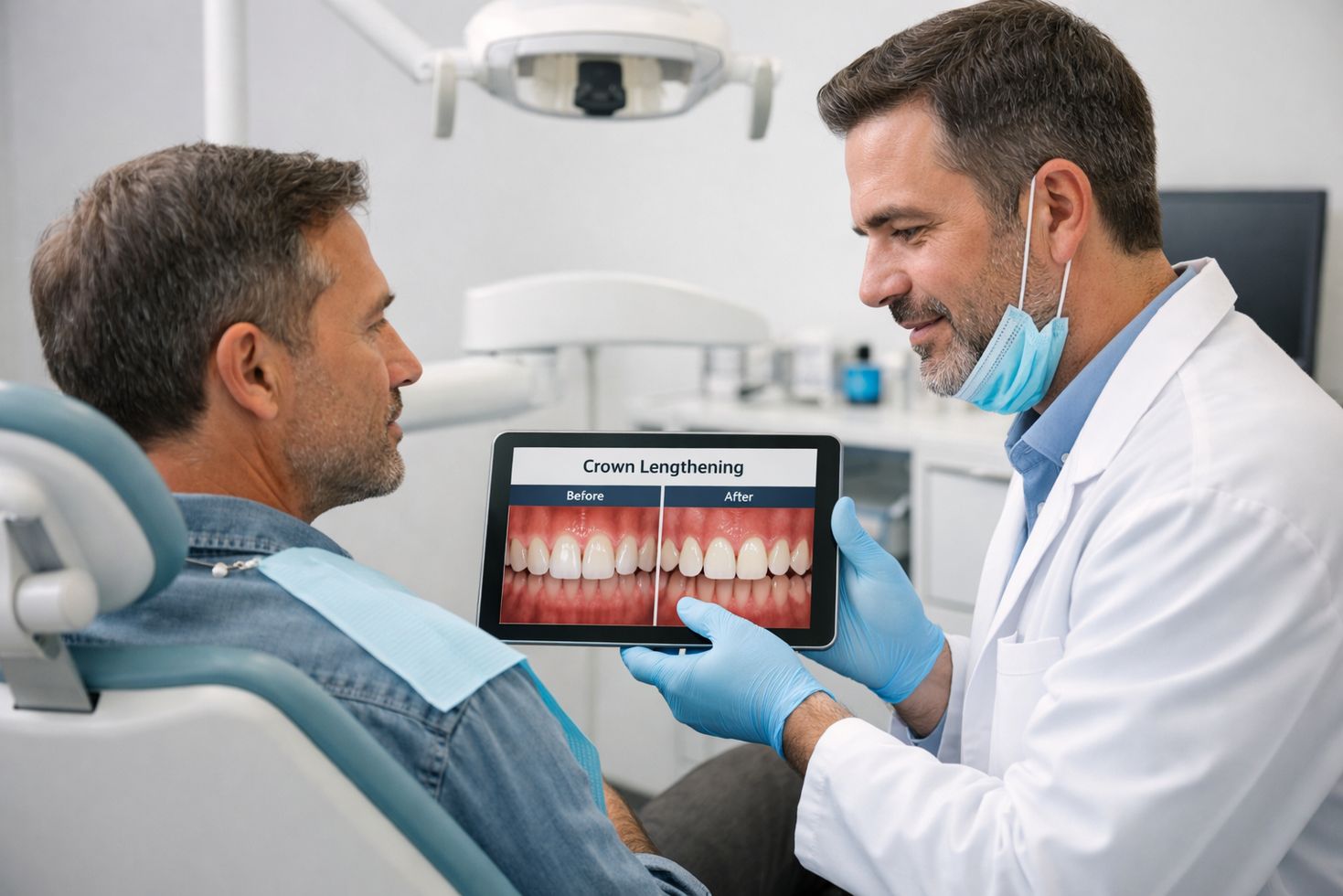
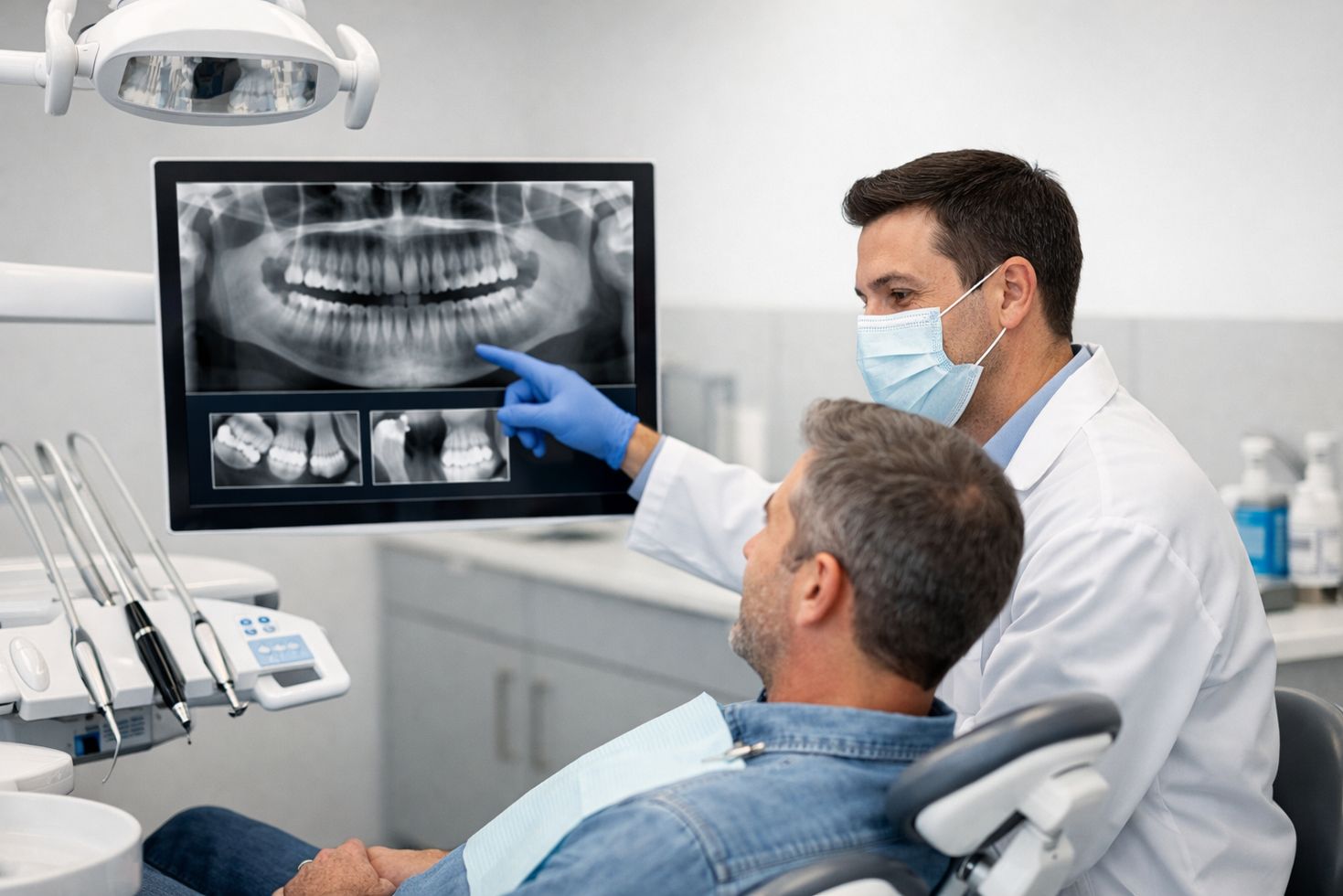
Dentist showing adult patient digital before-and-after images of crown lengthening in a modern, clean dental clinic

Crown Lengthening Before and After: What to Expect

People often search for crown lengthening before and after examples to understand how the smile may change, whether teeth can appear longer, and how much gum tissue might be reshaped. These comparisons can be useful for setting general expectations, but they do not predict a specific result for every person. Changes depend on factors such as your natural gum levels, tooth shape and structure, bone support, and the reason treatment is being recommended.

Crown lengthening may be performed for esthetic reasons, such as reducing a gummy smile, or for functional reasons, such as exposing more tooth structure for a restoration. Before-and-after photos can help illustrate possible appearance changes, yet they cannot confirm whether you are a candidate or how your tissues will heal. A clinical exam is the safest way to evaluate what is realistic in your case.

In this guide, you will learn what before-and-after comparisons can and cannot show, what affects outcomes, and what to expect when discussing treatment options with a dental professional.

What Crown Lengthening Is and Why It’s Done

Crown lengthening is a dental procedure that reshapes gum tissue and, in some cases, the underlying bone to expose more of the natural tooth structure. Depending on your specific condition, it may help improve the way a smile looks or give a dentist better access to a tooth that needs treatment. Rather than changing the tooth itself, the procedure focuses on adjusting the gumline and surrounding support so more of the tooth can be seen or restored.

In some cases, patients ask about the esthetic crown lengthening ada code, but coding and treatment planning are handled by the dental team and depend on the clinical situation. The most important first step is understanding why the procedure is being recommended and how it fits your overall oral health goals.

Esthetic vs. functional crown lengthening

Esthetic crown lengthening is typically done to improve smile balance. It may help when a person feels they show too much gum tissue or when the gumline looks uneven from tooth to tooth. Functional crown lengthening is different. It is usually recommended to expose more tooth structure so a crown, filling, or other restoration can be placed more predictably. For example, if decay or a fracture extends below the gumline, this procedure may create the access needed for proper treatment.

Common reasons a periodontist may recommend it

A periodontist may recommend crown lengthening for several reasons, including a gummy smile, uneven gum contours, decay below the gumline, a broken tooth, or the need for restorative access before placing a crown. Not every concern requires surgery, and treatment recommendations depend on factors such as gum health, bone levels, tooth position, and long-term stability. A clinical exam helps determine whether crown lengthening may help and whether an esthetic or restorative approach makes the most sense.
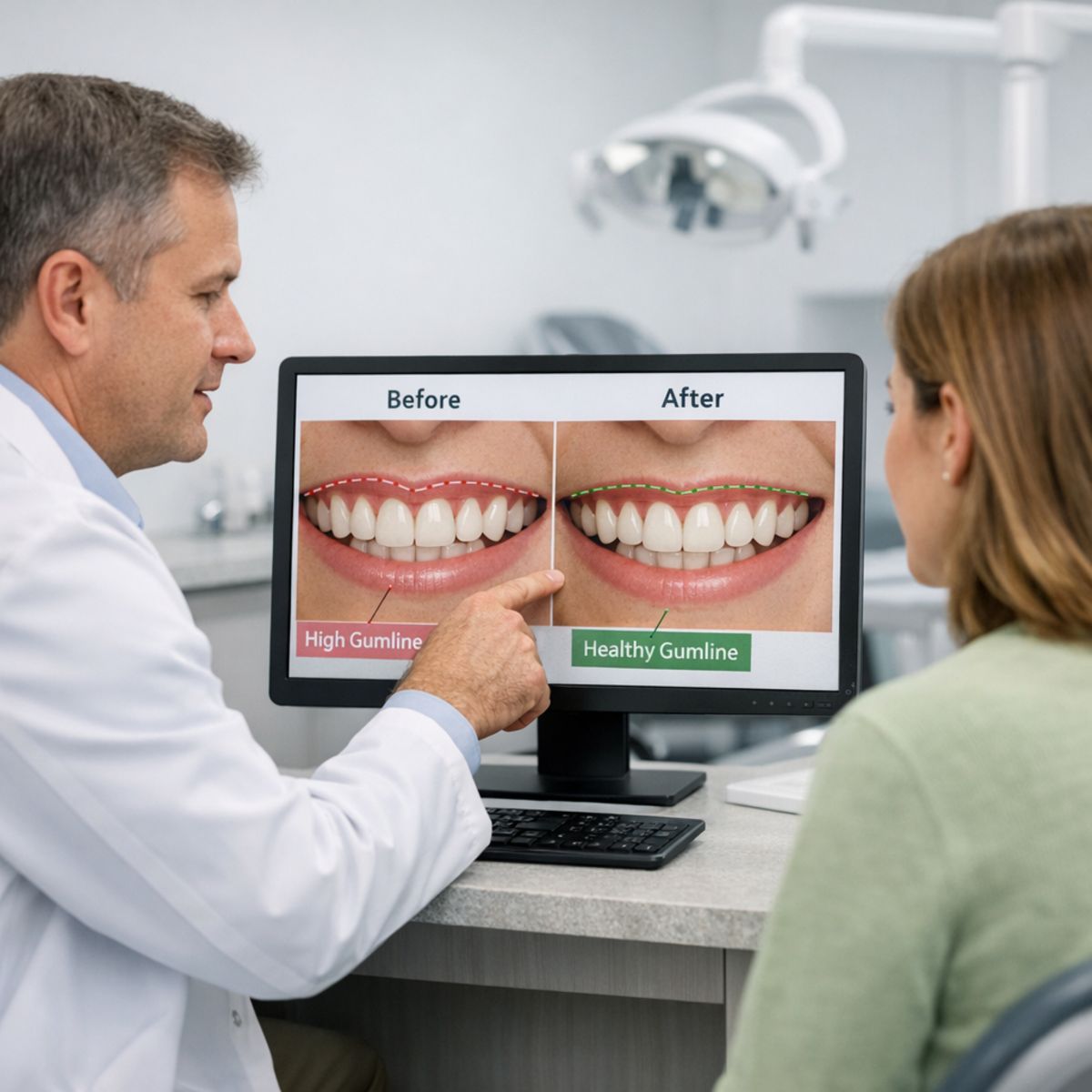
Periodontist explaining gumline changes to patient using digital smile diagram in dental office

What Crown Lengthening Before and After Changes May Look Like

When people search for crown lengthening before and after pictures or crown lengthening images, they are usually trying to understand how much the smile may change. In many cases, the most noticeable difference is that the teeth may look longer or more proportionate after excess gum tissue is reduced. Some patients also notice that the gumline appears more even from tooth to tooth, which can improve overall smile balance without changing the natural character of the teeth themselves.

Visible smile changes patients often notice

Before-and-after changes can include more visible tooth structure, less gummy display, and better symmetry along the gumline. That said, results vary from person to person. Tooth shape, lip line, gum thickness, and the way tissues heal all influence the final appearance. In some situations, treatment is planned not only for appearance but also to expose enough tooth structure for restorative work. If bone contouring is part of the procedure, that can affect both the treatment plan and the healing timeline. In broader periodontal care, some patients may also discuss options such as ozone therapy as part of periodontal care with their provider.

Early healing photos vs. more settled results

It is also important to view early after-procedure images with caution. Right after treatment, the gums may look swollen, red, or slightly uneven while the tissues are still settling. Those early changes do not always reflect the more settled result seen later at follow-up visits. This is why crown lengthening images taken at different stages can look quite different. A realistic comparison should account for healing response over time rather than focusing only on immediate post-procedure photos.
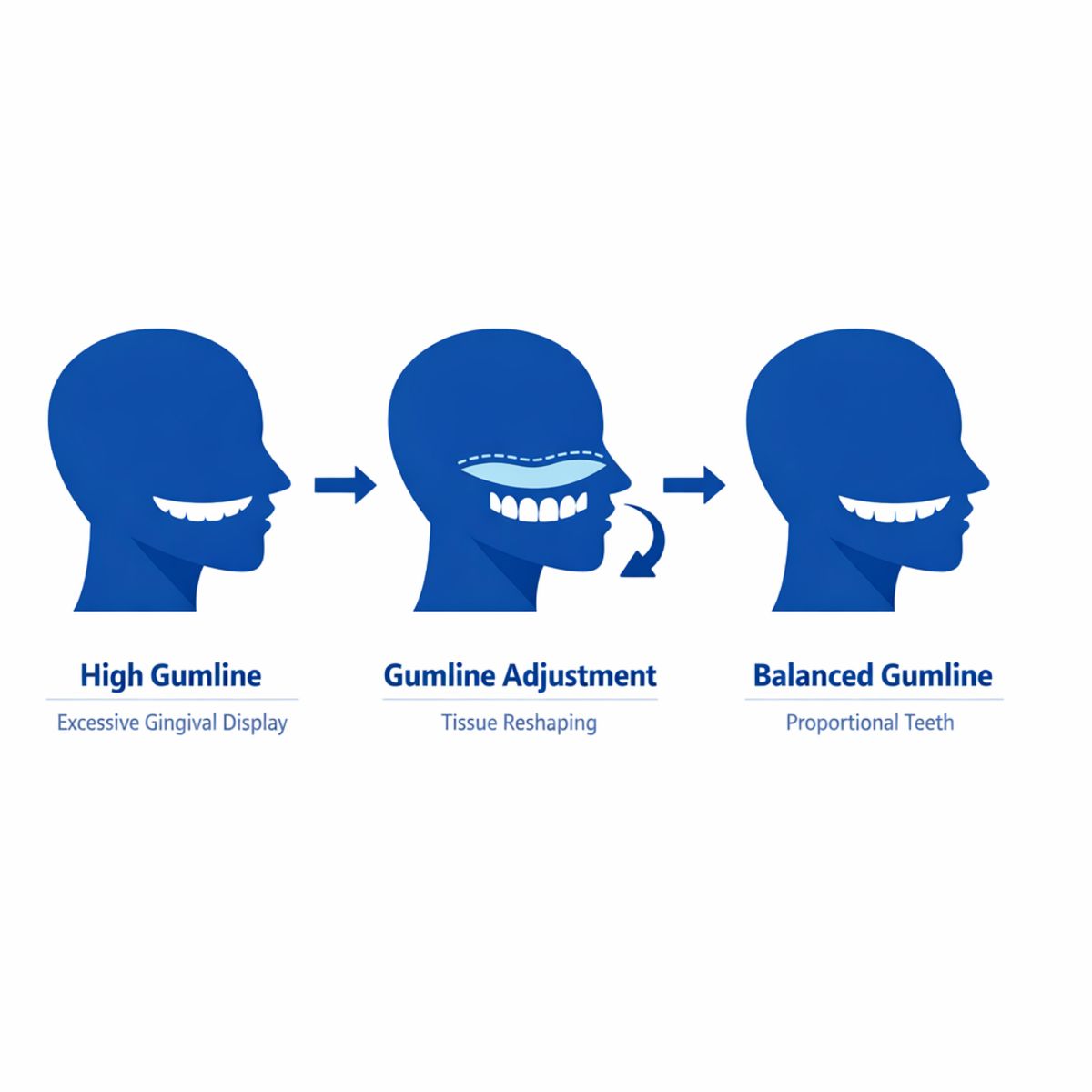
Infographic comparing gumline stages: excessive display, reshaping, and balanced tooth proportion.

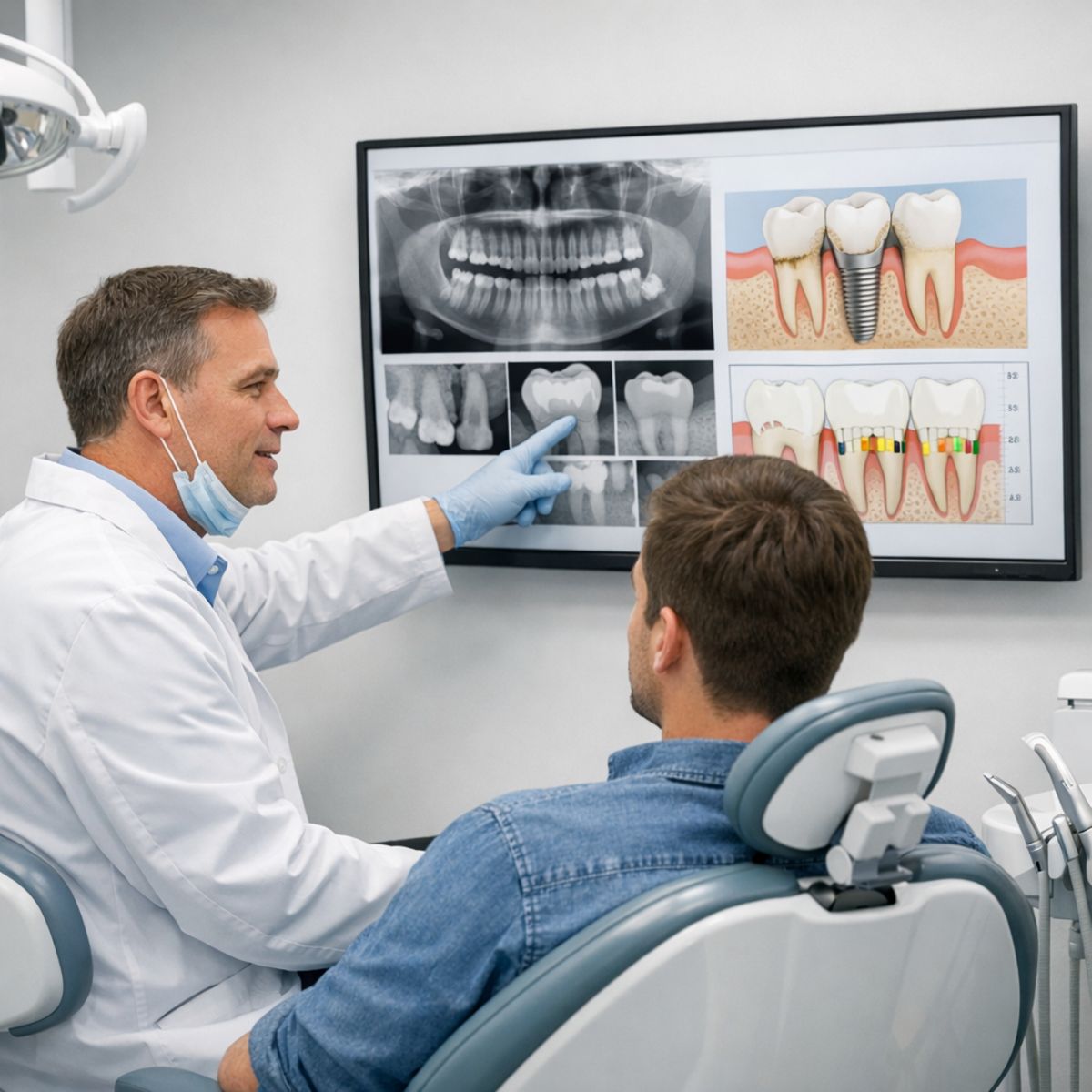
Dentist explaining digital dental X-rays and gum health to a patient in a modern operatory

How Crown Lengthening Is Planned and Performed

Crown lengthening is planned around your anatomy, oral health, and treatment goals. It is not a DIY process, and candidacy should be determined through an in-person evaluation. In general, the appointment sequence is designed to help your periodontist assess how much tooth structure should be exposed, whether the gumline needs reshaping, and whether the supporting bone also needs adjustment.

Step 1: Evaluation and smile analysis

The process usually starts with a consultation, exam, and discussion of what you are trying to achieve. That may include improving a “gummy” smile, preparing a tooth for restoration, or exposing more healthy tooth structure. Your clinician reviews your gums, teeth, bite, and overall smile balance. Measurements around the teeth help show where the gum tissue sits and how much structure is currently visible. This planning stage is individualized, because the right approach depends on both esthetic and functional needs.

Step 2: Imaging, measurements, and treatment planning

Imaging may be used to evaluate the relationship between the gums, roots, and supporting bone. Combined with periodontal measurements, these images help determine whether treatment involves soft tissue only or soft tissue plus bone contouring. This is an important distinction, because exposing more tooth structure sometimes requires managing the bone level so the area can heal in a stable, healthy position.

Step 3: Tissue reshaping and possible bone contouring

On the day of treatment, the area is numbed before the periodontist reshapes the gum tissue. In some cases, that is the main part of the procedure. In others, a small amount of supporting bone is also adjusted to create the needed space around the tooth. The exact technique depends on the treatment plan developed during the exam. The goal is to expose the right amount of tooth structure while supporting long-term gum health and restorative success.

Step 4: Recovery instructions and follow-up

Afterward, you will receive post-op instructions covering cleaning, eating, and what to watch for as the area heals. Follow-up visits allow your clinician to monitor tissue response and confirm that healing is progressing as expected. If your treatment is part of a larger restorative plan, these visits also help coordinate the next step. If you are also comparing related surgical care, you can read more about what to expect with bone grafting.

Healing Timeline and Crown Lengthening Aftercare

Crown lengthening aftercare is usually straightforward, but recovery can look a little different from one person to the next. It is common to notice short-term tenderness, mild swelling, sensitivity, or light bleeding in the early healing period, especially when brushing near the treated area. Some people also find that chewing feels more comfortable on the opposite side for a few days. The extent of treatment, the location in the mouth, and your body’s natural healing response can all affect what you experience.

What patients commonly notice after treatment

Many patients are advised to expect temporary gum soreness and a feeling that the area is “different” while the tissue settles. Sensitivity to temperature or pressure may also happen for a time. That does not always mean something is wrong, but it is still important to follow the instructions given by your treating office. If symptoms seem to worsen instead of gradually improving, or if you have bleeding, swelling, or discomfort that concerns you, contact the office that performed the procedure for guidance.

Practical aftercare tips

Aftercare often includes gentle brushing as instructed, using any prescribed or recommended rinse exactly as directed, choosing softer foods for a period of time, and keeping scheduled follow-up visits. Avoiding unnecessary irritation around the site may help support comfort while the tissue heals. Final restorations or cosmetic evaluation are not always immediate, because timing depends on how the gums respond and what your clinician sees during follow-up. This is one reason why follow-up dental visits matter.

If you are unsure whether something is normal during recovery, it is best to check with your treating periodontist or dental office rather than guess. Personalized instructions should always guide your crown lengthening aftercare plan.

Infographic timeline showing general recovery phases with abstract icons.

Crown Lengthening Alternatives and When They May Be Considered

There are several crown lengthening alternatives that may be discussed, depending on the reason treatment is being considered. Not every gummy smile, short-looking tooth, or restorative concern is managed the same way. In some cases, orthodontic tooth movement, minor restorative reshaping, veneers, or simple monitoring may be appropriate options to review as part of treatment planning.

Cosmetic alternatives in selected cases

If the concern is mainly cosmetic, the best approach can depend on tooth position, lip dynamics, smile line, and the amount of visible gum tissue. Some patients may be evaluated for orthodontic changes to tooth position, while others may discuss restorative options that adjust shape or appearance. Veneers may also be considered in selected situations, though they are not a substitute for every underlying issue.

When crown lengthening may still be necessary

Alternatives are not always enough when there is limited tooth structure for a restoration, bone levels affecting access, or periodontal considerations that need to be addressed first. In those situations, crown lengthening may still play an important role before cosmetic or restorative work moves forward. The right choice depends on a clinical examination and the underlying cause rather than a one-size-fits-all comparison.
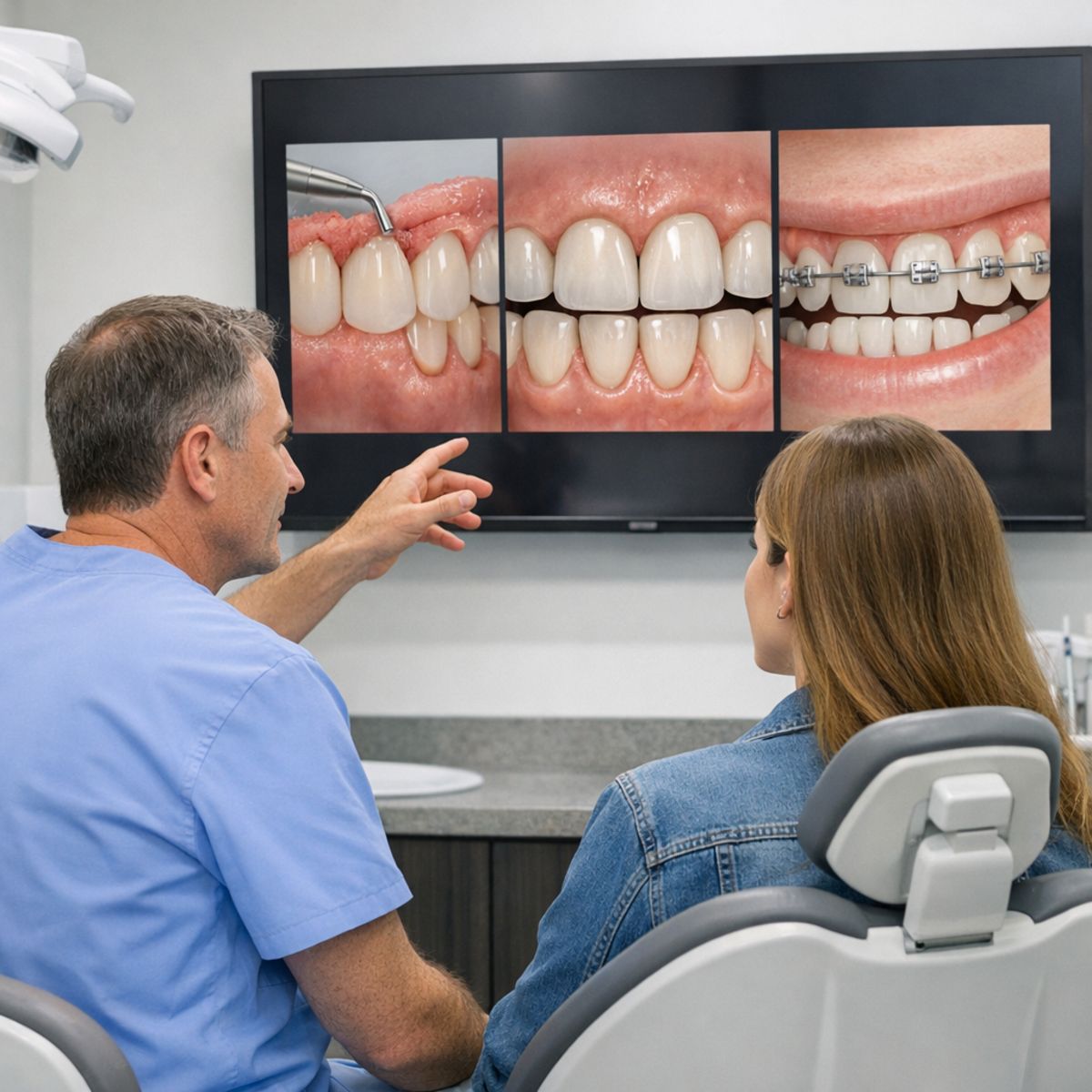
Dentist and patient reviewing dental treatment options on a digital screen in a modern clinic

Questions People Ask When Looking at Crown Lengthening Articles and Images

Can online images tell you if you need treatment?

Not reliably. Photos can help you notice concerns, but they cannot show gum anatomy, tooth structure, bite factors, or restorative needs. Crown lengthening articles and before-and-after images are useful for general education, but candidacy still depends on a clinical exam.

How educational articles help patients prepare

Reading articles can help you ask better questions and understand common treatment goals. They are a good starting point, especially when paired with learning about what a thorough dental exam includes. Final treatment planning may involve both periodontal and restorative coordination, which is why the next FAQ section can help clarify what to expect.

Infographic icon grid showing gum display, tooth structure, and restorative needs evaluation factors.

Frequently Asked Questions

How different do teeth look after crown lengthening?

Teeth may appear longer, and the gumline may look more even or proportionate after treatment. The amount of visible change varies based on your anatomy, the reason for treatment, and the treatment plan recommended by your dental professional.

How long does it take to see more settled results?

Early changes may be noticeable relatively soon, but gum tissues can continue to settle over time. The full timeline depends on the extent of treatment, how the area heals, and whether the procedure is being done for cosmetic or restorative reasons.

Is crown lengthening only cosmetic?

No. Crown lengthening may also be recommended to expose more tooth structure for a filling, crown, or other restorative work. Whether it is appropriate depends on the condition of the tooth and surrounding gum tissue.

What is crown lengthening aftercare like?

Aftercare often includes keeping the area clean as instructed, eating softer foods for a period, and following guidance about brushing, rinsing, and activity. Your dentist or periodontist will provide specific instructions based on the procedure performed and your healing needs.

Are there alternatives to crown lengthening?

Sometimes, yes. Alternatives may depend on whether the concern is cosmetic, structural, or related to gum position. In some cases, other restorative or gum-related treatments may be considered, but a professional evaluation is needed to compare options.

Can before-and-after pictures tell me if I’m a candidate?

Before-and-after photos can help you understand the types of changes crown lengthening may create, but they cannot confirm whether treatment is right for you. An in-person exam is the best way to assess your gum levels, tooth structure, bite, and overall treatment goals.

When to Schedule a Consultation

If you are concerned about a gummy smile, an uneven gumline, or need better access for restorative treatment, requesting an appointment may be a helpful next step. A consultation can clarify whether crown lengthening or another option may be appropriate for your needs.

Get personalized guidance

Our team can evaluate your smile and discuss treatment considerations in a patient-focused setting.

Request an Appointment

Final Takeaway on Crown Lengthening Before and After

Before-and-after examples can be useful for understanding possible changes, but crown lengthening is best planned through an in-person evaluation and personalized treatment approach. Results vary based on your anatomy, goals, and healing, and careful aftercare plays an important role in the final outcome. A realistic plan helps set clear, confident expectations.
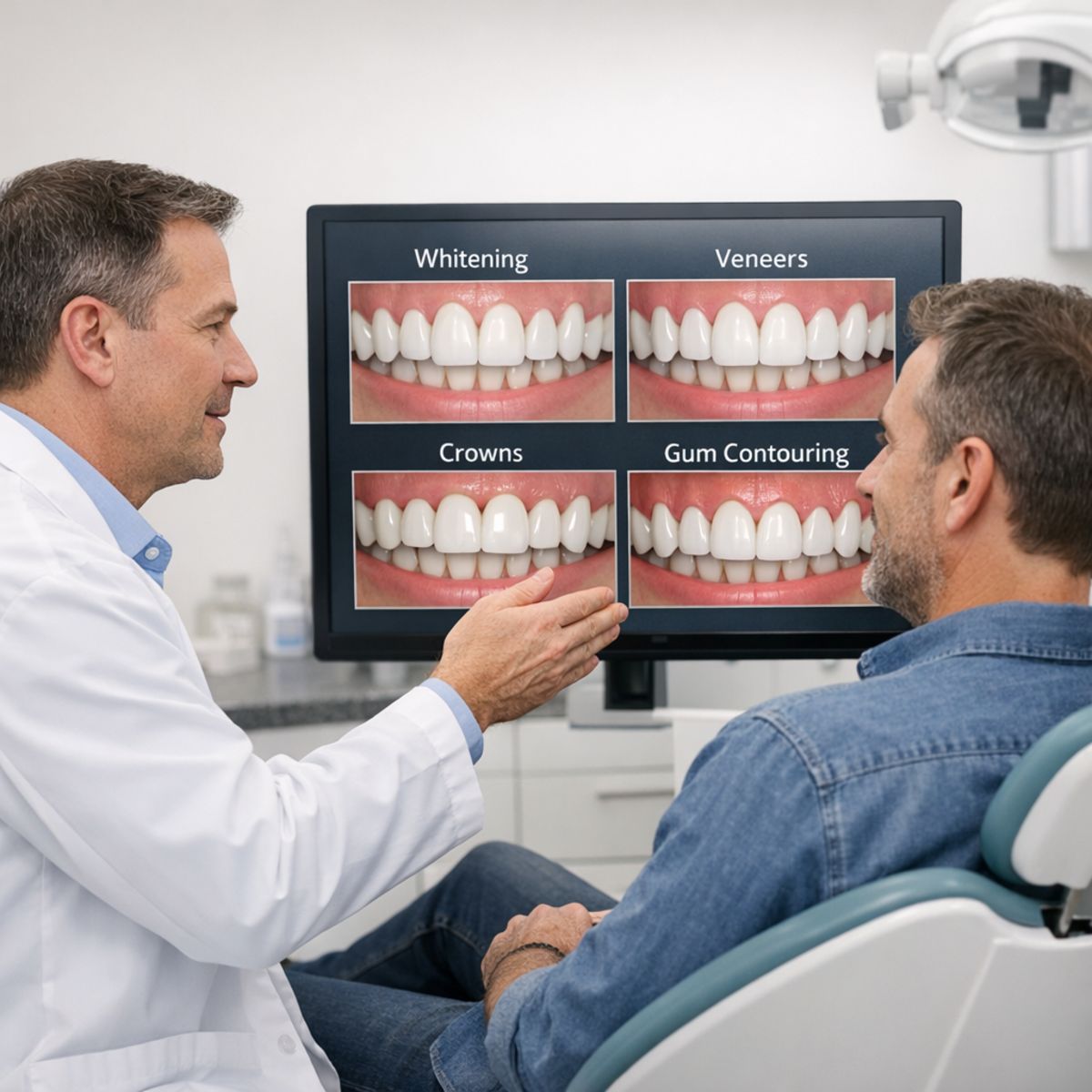
Dentist consulting with adult patient in a modern dental clinic, discussing cosmetic dental procedures

Cosmetic Dental Procedures: Options, Benefits, and What to Expect

Cosmetic dental procedures are treatments designed to improve the appearance of your smile, and in many cases they can also support comfort, balance, and everyday function. This may include teeth whitening, veneers, bonding, crowns, gum contouring, and implant-related restorations, depending on what you want to change and what your mouth needs to stay healthy.

Not every smile makeover follows the same path. Recommendations often depend on your oral health, gum condition, bite, existing dental work, and overall aesthetic goals. For some people, a small cosmetic dentistry update is enough. For others, the best result comes from combining appearance-focused treatment with restorative care.

In the sections ahead, you’ll get a balanced overview of common options, what each procedure is meant to address, and why treatment should always be individualized rather than one-size-fits-all.

What Cosmetic Dentistry Includes

Cosmetic dentistry covers a range of dental procedures designed to improve the look of teeth and gums, though some treatments also help restore strength or function. In many cases, a dentist will first check for decay, gum disease, or bite issues before recommending cosmetic work, because healthy foundations usually support better long-term results.

Surface enhancements

Professional teeth whitening is used to lighten stains and discoloration that do not respond well to over-the-counter products. Bonding uses a tooth-colored material to improve small chips, minor gaps, or slight shape concerns. These options are often considered more appearance-focused and may be suitable when the tooth structure is otherwise healthy.

Restorative-aesthetic treatments

Veneers are thin coverings placed on the front of teeth to improve color, shape, or symmetry. Crown teeth, often called dental crowns, cover more of the tooth and may be recommended when a tooth needs both cosmetic improvement and added protection. Implant restorations replace missing teeth with a crown attached to an implant, helping support appearance while also restoring chewing function. These treatments can be more comprehensive than surface-level changes.

Soft tissue cosmetic procedures

Gum contouring reshapes uneven gum tissue to create a more balanced smile line. Because gum symmetry affects how teeth look, soft tissue procedures can make a noticeable aesthetic difference. A periodontal evaluation may be important first, especially if there are signs of inflammation or gum disease.

Dentist and patient discussing smile makeover options on a digital screen in a modern dental office

Potential Benefits and Realistic Expectations

People often explore cosmetic smile treatment to address concerns such as discoloration, uneven edges, worn teeth, spacing, or excess gum display. Depending on the procedure, treatment may improve the overall balance of a smile and help teeth look more even, brighter, or better proportioned. For some patients, these changes can also support how the teeth come together or how comfortably they function in daily use.

At the same time, realistic expectations are important. Results vary from person to person and depend on factors such as anatomy, existing oral health, enamel condition, bite, and the type of treatment selected. An individualized evaluation helps determine what may be appropriate, what limitations may exist, and whether cosmetic care alone or a combination of cosmetic and restorative treatment is the better fit.

Infographic comparing smile concerns to cosmetic dental treatment options using icons.

Aesthetic and functional overlap

Cosmetic goals sometimes overlap with functional needs. For example, treatment that improves the appearance of chipped or worn teeth may also help restore tooth shape, support bite balance, or improve chewing efficiency when restorative work is involved. If missing teeth or significant wear are part of the concern, the plan may focus on both appearance and long-term comfort.

Why expectations matter

No single procedure fits everyone. During a consultation, patients can discuss their priorities, timeline, maintenance needs, and any treatment limitations. That conversation helps create a plan that is aligned with personal goals while staying grounded in what is clinically appropriate and realistically achievable.

Comparing Common Cosmetic Dental Procedures

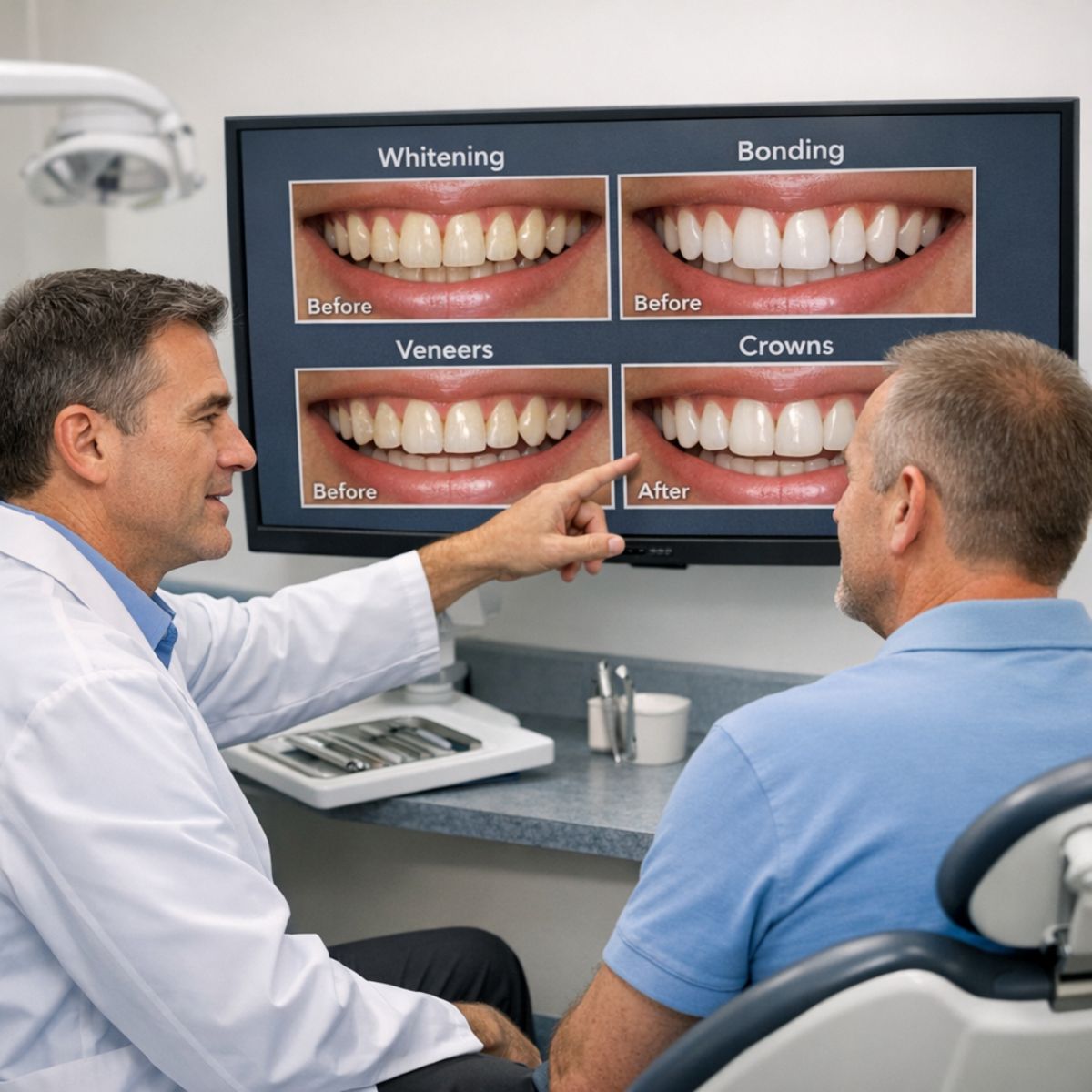
Dentist and patient reviewing digital smile design options for whitening, bonding, veneers, and crowns on a monitor in a

When comparing cosmetic dental treatments, it helps to look at a few practical factors: the concern being treated, how much tooth preparation may be involved, how long results typically last, and what kind of upkeep is needed. There is rarely one universally best option. The right choice depends on your goals, oral health, and what your dentist sees during an exam, including what to expect at a dental checkup.

Whitening vs over-the-counter options

Professional teeth whitening is typically more customized than over-the-counter strips or trays. A teeth whitening dentist can evaluate your current tooth shade, review any history of sensitivity, and consider whether crowns, fillings, or other restorations are present, since those materials do not whiten the same way natural enamel does. Over-the-counter products may be convenient for mild staining, but they are less tailored in strength and fit. Professional treatment may be a better fit for some patients who want closer supervision or more predictable shade planning, though not everyone needs the same approach.

Bonding, veneers, and crowns

Bonding is often considered for small chips, minor gaps, or subtle shape changes. It is usually more conservative, but it may stain or wear differently over time. Veneers are commonly used when patients want broader cosmetic changes to the front teeth, such as color, contour, or symmetry improvements. They can offer a more dramatic smile redesign, though some enamel preparation may be involved depending on the case. Crown teeth are generally discussed when a tooth needs more complete coverage because of larger structural concerns, significant wear, or existing damage. While crowns can improve appearance, they are often chosen when strength and protection are also part of the goal.

When missing teeth change the plan

If the concern includes one or more missing teeth, the conversation may shift beyond purely cosmetic treatment. In those situations, the focus often includes function, bite support, and long-term stability as well as smile appearance. That can lead to discussions about restorative options, including implant-supported solutions, rather than whitening, bonding, or veneers alone. For many decision-stage readers, the key is understanding that cosmetic and restorative goals sometimes overlap, and the best plan is usually based on both appearance and oral health needs.

How to Choose the Right Cosmetic Dental Procedure

Choosing the right cosmetic dentistry treatment often becomes easier when you break the decision into a few clear steps. Rather than starting with a specific procedure, begin with what you want to improve most and then review which options fit your oral health, goals, timeline, and comfort level. An in-person evaluation is still the best way to confirm what is appropriate for your smile.

Step 1: Define your top priority

Start by identifying your main concern. For some people, it is tooth color. For others, it may be spacing, shape, worn edges, symmetry, missing teeth, or how much gum shows when they smile. If you can name the one or two changes that matter most, your dentist can help narrow the options more efficiently and explain what may deliver the most natural-looking improvement.

Step 2: Start with oral health

Before selecting any cosmetic dental procedure, it is important to confirm the health of your gums, teeth, bite, and existing restorations. Concerns like decay, inflammation, grinding, or unstable dental work can affect which treatments make sense and whether care should be staged first. This is why evaluation matters more than self-diagnosis when comparing cosmetic dentistry options.

Step 3: Compare conservative and comprehensive options

Ask your dentist to walk you through both conservative and more comprehensive approaches. Whitening or bonding may address certain concerns with less change to the teeth, while veneers, crowns, or implant-supported solutions may be considered when the goals are broader or the underlying condition is more complex. The right choice depends on the condition of your teeth, the result you want, and the level of maintenance you are comfortable with.

Step 4: Ask the right consultation questions

During your consultation, ask about materials, expected upkeep, possible sensitivity, and the tradeoffs of each option. It is also helpful to discuss how long treatment may take, whether it may be completed in phases, and what budget range to expect without assuming fixed pricing. If gum health support is part of the conversation, you can also review supportive ozone therapy treatment information as part of understanding the full care plan.

A thoughtful decision usually comes from balancing appearance goals with oral health, durability, maintenance, and cost. A good consultation should feel informative and collaborative, helping you understand your options without pressure.

Five-step dental decision process illustrated with abstract icons in a clean, flat design.

What Affects the Cost of Cosmetic Dentistry

The cost of cosmetic dentistry can vary based on several clinical and treatment-planning factors. In many cases, pricing depends on the type of procedure being considered, how many teeth are involved, the materials selected, and the overall complexity of the case. Diagnostics such as imaging, bite evaluation, and smile assessment may also affect the treatment plan and, in turn, the total cost.

If a patient needs preparatory care before cosmetic treatment, that may change the scope as well. For example, periodontal therapy, restorative work, or treatment to stabilize oral health may be recommended first. When missing teeth are part of the concern, options that combine cosmetic and restorative goals can involve different planning steps. In those situations, learning more about dental implant options process and cost may help provide useful background.

Main cost variables

Common variables may include the treatment type, the number of teeth being treated, the materials used, whether advanced imaging is needed, and whether preparatory periodontal or restorative care is necessary. Replacing missing teeth or considering implant supported partial denture options may also affect the overall plan.

Why consultation matters for pricing

A consultation allows the dental team to evaluate candidacy, identify any underlying issues, and determine the right sequence of care. Because every smile starts from a different place, specific pricing depends on an in-person examination and a personalized treatment recommendation rather than a general online estimate.

Before and After Cosmetic Treatment: Preparation and Maintenance

Before cosmetic dental work, preparation often starts with a close look at your overall oral health. Depending on the procedure and your individual condition, that may include a cleaning, a periodontal evaluation, imaging, or treating active dental concerns before cosmetic care begins. This planning stage helps set realistic expectations and supports a more predictable result.

Preparing for treatment

Not every patient needs the same prep, but many benefit from an exam and a discussion of timing, goals, and current dental health. If there is gum inflammation, decay, or another issue present, your dentist may recommend addressing that first before moving forward with cosmetic treatment.

Maintaining your results

Maintaining cosmetic dental results usually comes down to consistent home hygiene, regular follow-up visits, and being mindful of habits that can affect appearance or durability. Stain management, routine professional care, and protecting restorations from grinding may all be relevant in some cases. Aftercare varies by procedure, so it is always best to follow your treating dentist’s instructions for care that fits your specific treatment.

Dentist and patient discussing dental aftercare in a clean, modern dental office with hygiene tools and subtle X-rays visible

Frequently Asked Questions

What are the most common cosmetic dental procedures?

Common cosmetic dental procedures often include teeth whitening, dental bonding, veneers, and crowns. Some patients may also discuss gum contouring for smile balance, and when missing teeth are involved, implant-related restorations may be part of a broader treatment plan.

How do I know which cosmetic dentistry option is right for me?

The right option depends on your goals, oral health, bite, existing dental work, and budget. A consultation can help determine which cosmetic dentistry approach is appropriate for your situation and whether any underlying concerns should be addressed first.

Is professional teeth whitening better than over-the-counter whitening?

Professional teeth whitening may offer more customization and supervision than over-the-counter products. However, suitability varies from person to person, especially if you have sensitivity, fillings, crowns, or discoloration that may not respond evenly to whitening.

Are cosmetic dental procedures painful?

Comfort levels can vary based on the procedure and the individual. Many cosmetic treatments are designed with patient comfort in mind, but experiences differ, so it is best to discuss what to expect during a consultation.

How long do cosmetic dental treatments last?

Longevity depends on the type of treatment, the materials used, oral habits, and how well the results are maintained. Regular dental visits, good home care, and avoiding habits like grinding or biting hard objects may help support longer-lasting results.

Can I get cosmetic treatment if I have gum problems or missing teeth?

In many cases, cosmetic treatment is still possible, but gum concerns or missing teeth may need to be evaluated first. An individualized treatment plan can help determine the safest and most effective sequence of care for both appearance and oral health.

When to Schedule a Cosmetic Dentistry Consultation

If you are noticing discoloration, worn edges, uneven gumlines, damaged teeth, or missing teeth that affect your smile, scheduling a consultation may be a helpful next step. It can also make sense if you are still comparing options and want a clearer understanding of what may be appropriate for your goals.

What a consultation can help clarify

A consultation can help clarify candidacy, possible treatment options, the order in which care may be recommended, and what maintenance may be involved over time. It is also a chance to discuss personalized cost considerations and ask questions so you can make an informed decision without feeling rushed.

Request an Appointment

Choosing Cosmetic Treatment with Confidence

Cosmetic dental procedures can range from more conservative options like whitening and bonding to treatments such as crowns, gum contouring, and implant-related restorations. The right choice is not the same for everyone. It depends on your oral health, your priorities, and what a professional evaluation shows about function, appearance, and long-term suitability.

The most helpful next step is to understand your options clearly, ask questions, and weigh benefits, limitations, and expected outcomes with a qualified dental professional. That kind of informed approach can make cosmetic treatment feel more straightforward and more reassuring.

The key takeaway

Confidence starts with good information and personalized guidance. With the right assessment and a treatment plan tailored to your goals, cosmetic dental procedures can be approached with clarity, realism, and peace of mind.

Dentist showing adult patient digital before-and-after images of crown lengthening in a modern, clean dental clinic

Crown Lengthening Before and After: What to Expect

People often search for crown lengthening before and after examples to understand how the smile may change, whether teeth …

Dentist consulting with adult patient in a modern dental clinic, discussing cosmetic dental procedures

Cosmetic Dental Procedures: Options, Benefits, and What to Expect

Curious which cosmetic dental procedure fits your smile goals—or how options like whitening, veneers, crowns, or gum contouring …

Dentist consulting with adult patient about sinus augmentation in a modern dental clinic, digital jaw diagram visible

Sinus Augmentation Surgery: What to Know Before Implants

Wondering if you need a sinus lift before dental implants? Discover how sinus augmentation surgery can create a stronger …