
Dental Check Up: What to Expect and Why It Matters
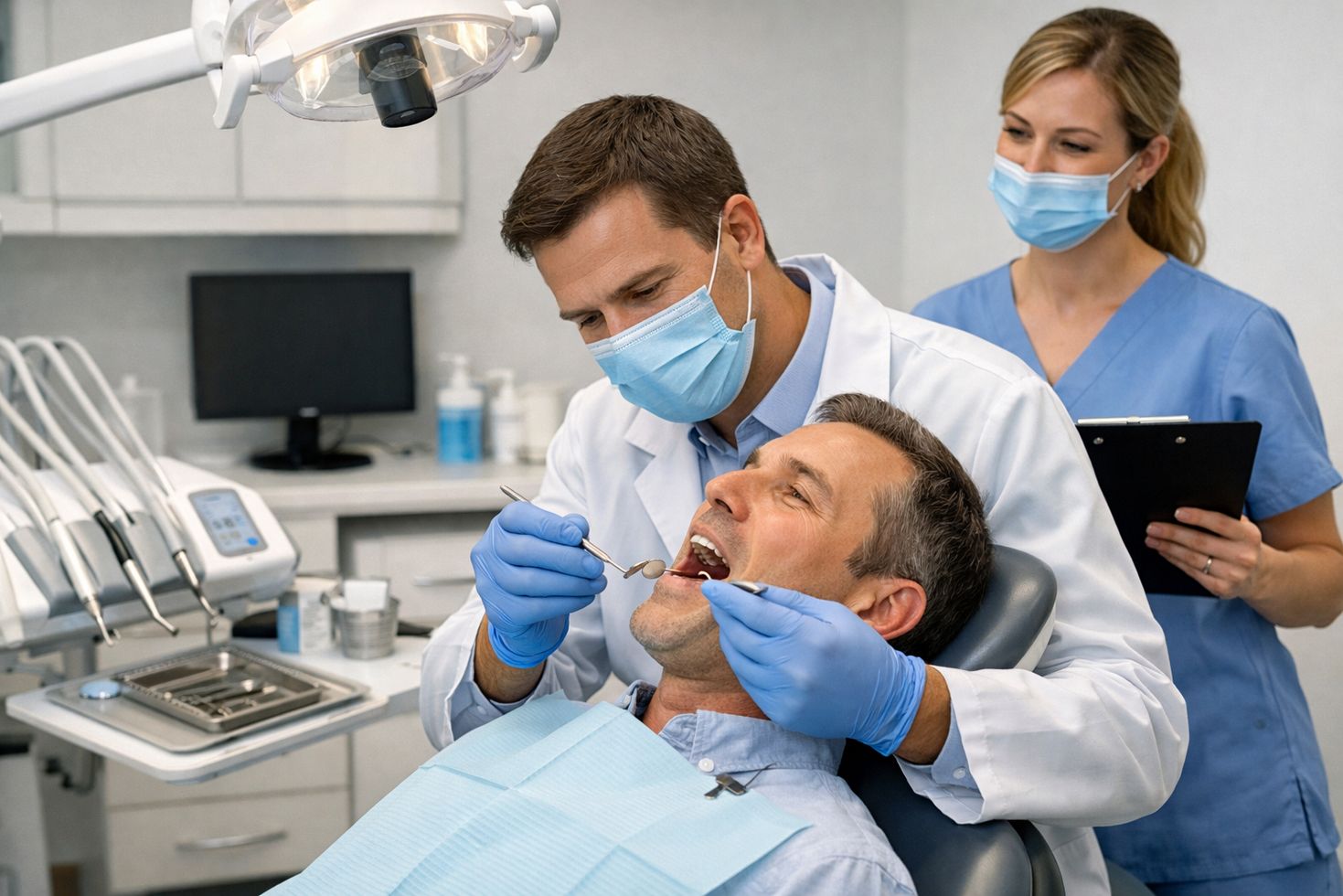
A dental check up is a preventive visit that helps protect your oral health by identifying concerns early and guiding the next steps in your care. In most cases, it includes an examination, a review of symptoms or changes you may have noticed, and recommendations based on your teeth, gums, and bite. Routine visits matter because many dental problems can begin quietly, with little or no discomfort at first. By checking for signs of gum inflammation, tooth decay, wear, and bite-related issues, a dentist can often spot problems before they become more complex or harder to manage.
This guide is designed to make the process feel clearer and more predictable. Whether you are keeping up with regular care or returning after some time away, understanding what to expect can reduce uncertainty and help you make informed decisions about your oral and overall health.
What this guide covers
Below, you will learn what typically happens during a visit, how often checkups are usually recommended, which warning signs may need prompt attention, and the common questions patients often ask before a dentist appointment.
What Is a Dental Check Up?
A dental check up is a routine preventive visit focused on evaluating your overall oral health. In most cases, the exam includes a clinical review of your teeth, gums, bite, existing fillings or crowns, and the soft tissues inside the mouth. The goal is to identify changes early, monitor stability, and recommend next steps before small concerns become larger treatment needs.
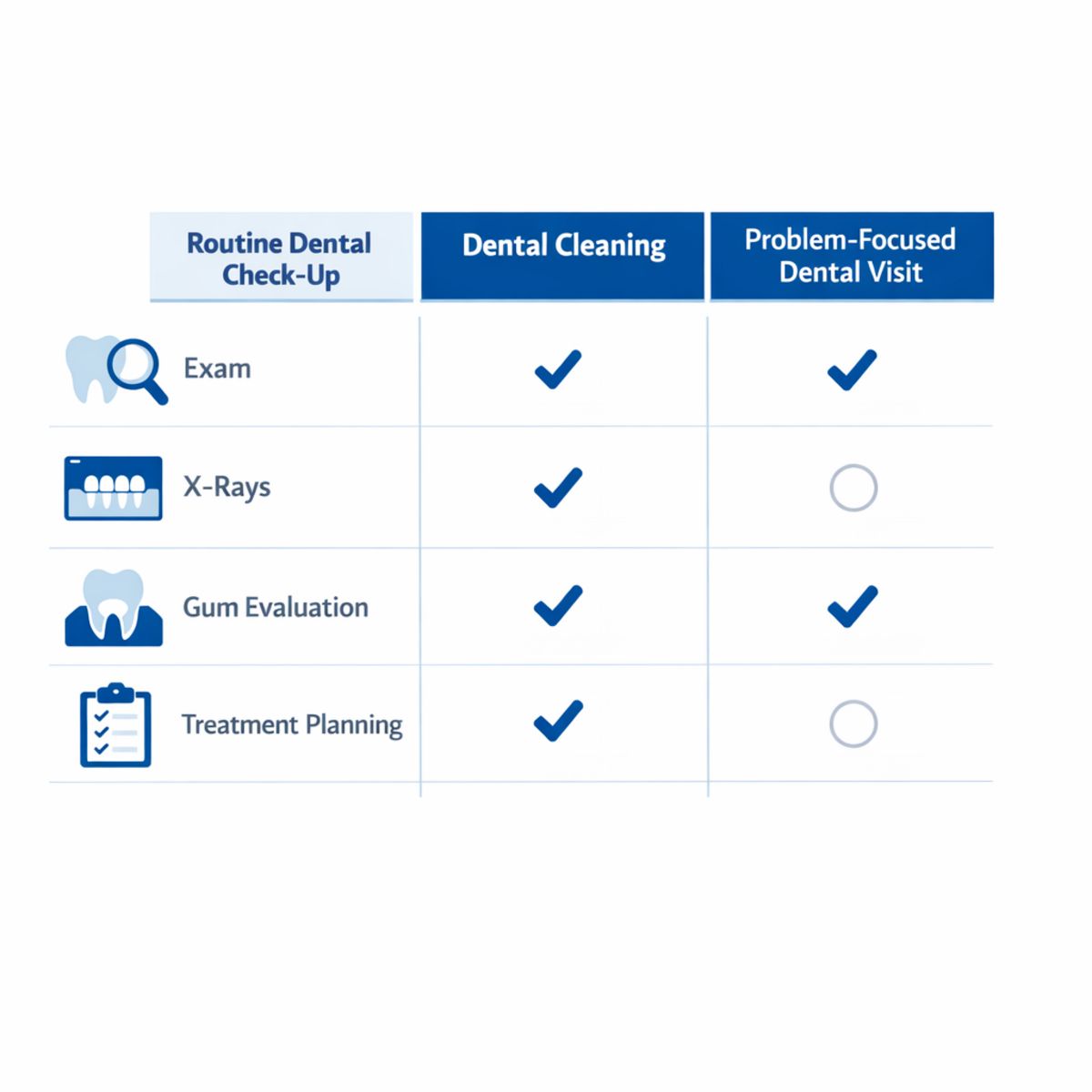
A check up is not exactly the same as a cleaning, even though the two are often scheduled together. The exam is the assessment portion of the visit, while a cleaning is a separate service aimed at removing plaque, tartar, and surface stains when appropriate. Depending on your needs, your dentist may recommend both during the same appointment.
Dental check up vs. dental cleaning
Think of the check up as the diagnostic and preventive review, and the cleaning as the hygiene service. During a routine dental exam, the dentist looks for signs of wear, gum concerns, bite changes, and issues affecting long-term oral health. A cleaning supports maintenance, but it does not replace the clinical evaluation.
How it differs from cosmetic consultations
A routine check up is also different from a problem-focused or cosmetic visit. If you are coming in for pain, swelling, trauma, or a broken tooth, the appointment is usually centered on that specific concern. If you are meeting about appearance goals, such as with a cosmetic dentist near me search or a teeth whitening dentist consultation, the discussion may focus more on smile improvements. A regular check up, by contrast, starts with oral health, function, and stability first.
What Happens During a Dental Check Up
A dental check up usually follows a clear, step-by-step process designed to help your provider understand your oral health and recommend appropriate next steps. First, the visit often begins with a review of your health history. You may be asked about medications, medical conditions, past dental treatment, and any recent changes such as tooth sensitivity, bleeding gums, swelling, pain, or trouble chewing. Sharing accurate details helps guide safe recommendations and gives the dental team a better picture of what may need closer attention.
Reviewing your health history and symptoms
Next, your dentist or periodontal provider may discuss any concerns that brought you in. This can include discomfort, looseness, bad breath, gum tenderness, or changes you have noticed since your last appointment. Even symptoms that seem minor can be useful, because they may help identify patterns related to inflammation, bite problems, or infection.
Examining teeth, gums, and oral tissues
The clinical exam typically includes a visual assessment of the teeth, gums, and other oral tissues. Your provider may check for decay, worn or cracked areas, plaque buildup, gum inflammation, recession, tooth mobility, and signs of structural damage. In a periodontal setting, the gums and supporting bone are especially important, so the exam may also focus on pocketing, bleeding, and other indicators of gum disease. Soft tissues such as the cheeks, tongue, and roof of the mouth may also be evaluated for changes that deserve monitoring.
X-rays, findings, and recommendations
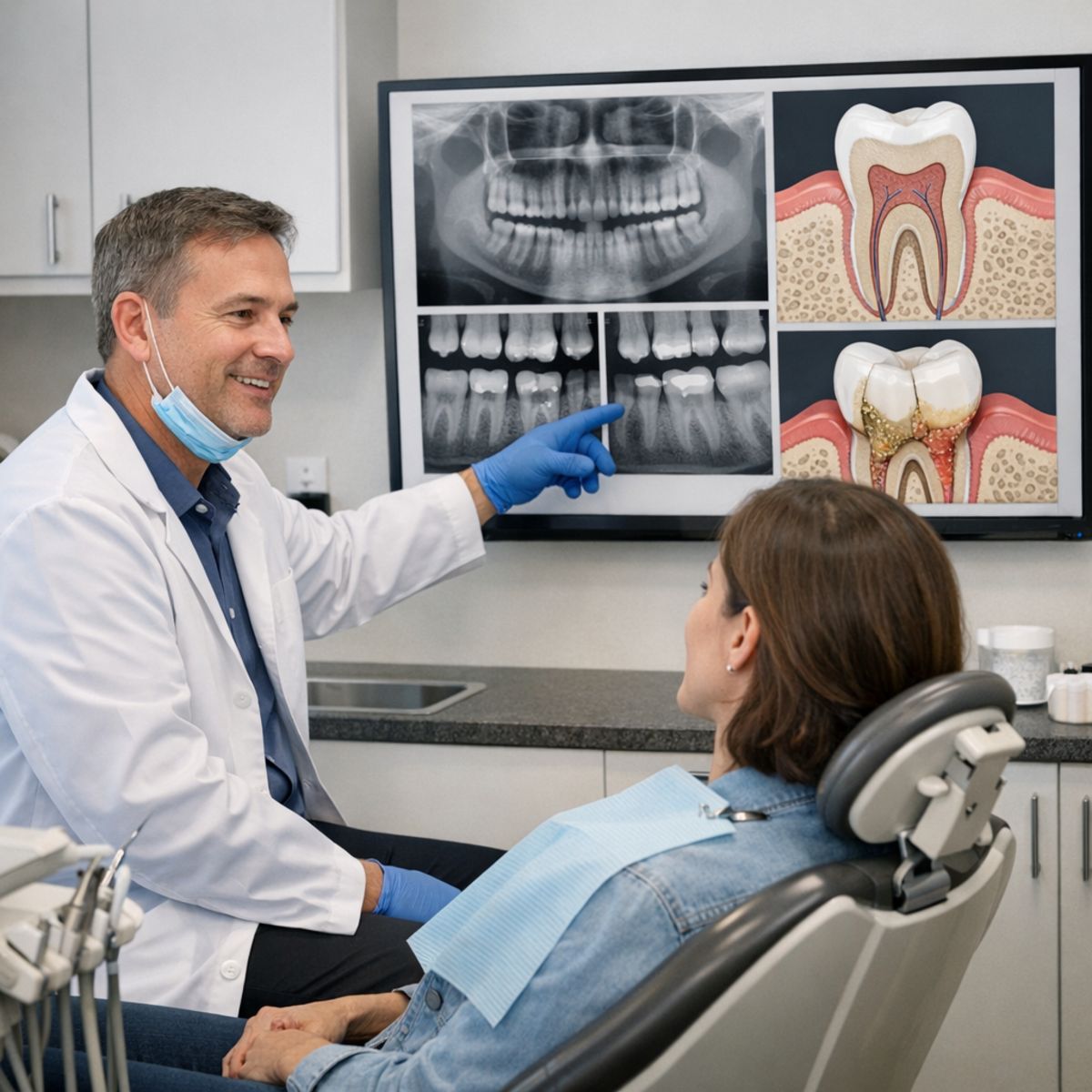
Finally, X-rays may be recommended if updated imaging is needed to assess areas that cannot be fully seen during the visual exam. Depending on the findings, your next steps may involve routine monitoring, preventive care, or referral for treatment. If there are signs of infection, gum disease, or structural damage, recommendations depend on an in-person evaluation and the severity of the condition. In some cases, treatment planning may include restorative options such as implant supported partial denture solutions when missing teeth and overall support need to be addressed.
Benefits of Regular Dental Check Ups
Regular dental check ups can play an important role in preventive care by helping patients stay aware of changes in their teeth, gums, and bite over time. These visits are not just about cleaning; they also provide a structured opportunity to monitor oral health, discuss symptoms, and plan next steps if something needs attention. For many people, that ongoing oversight supports comfort, confidence, and better long-term decision-making.
-
Earlier detection of small concerns:
Routine exams may help identify early signs of gingivitis, tooth wear, bite changes, cavities, or restorations that are beginning to fail. Spotting these issues sooner can make it easier to monitor them appropriately or recommend timely care. -
Closer monitoring of gum health:
Regular visits are especially valuable for tracking inflammation, bleeding, pocket depths, and gum recession. This kind of monitoring can support decisions around periodontal maintenance or gingivitis treatment when symptoms or measurements suggest that closer evaluation is needed. -
Reduced risk of overlooked progression:
Professional follow-up may reduce the chance that a minor issue goes unnoticed until it becomes more complex. While no visit can guarantee a specific outcome, consistent check ins can help patients respond to changes before they become harder to manage. -
Better long-term treatment planning:
Routine care also helps establish a baseline for future planning. That can be useful when considering restorative treatment, replacement options, or therapies that support oral healing, including ozone therapy in dental care.
Earlier detection of common dental concerns
Check ups can help reveal broad signs that deserve attention, such as decay, gum inflammation, cracked fillings or crowns, clenching-related wear, and bite irregularities. Even when a concern is not urgent, identifying it early creates an opportunity for observation, discussion, and more informed care planning.
Ongoing gum and bone health monitoring
For adults with bleeding gums, tenderness, or recession, periodontal evaluations and gum measurements can provide useful insight into changes below the gumline. Ongoing monitoring helps connect routine dental care with periodontal health, giving patients a clearer picture of how their gums and supporting bone are being maintained over time.
How Often Should You Schedule a Dental Check Up?
A common question is how often you should schedule a dental check up. For many people, routine preventive visits are recommended at regular intervals, but there is not one universal schedule that fits everyone. The right timing often depends on your current oral health, past dental history, and any risk factors your dentist identifies during an exam.
For patients with routine preventive needs
If your teeth and gums are generally healthy and stable, your dentist may suggest a consistent preventive schedule to help monitor changes early and support long-term oral health. Regular visits can make it easier to check for cavities, gum inflammation, wear, and other concerns before they become more complicated. Even when everything feels fine, staying on a recommended routine is often an important part of prevention.
When more frequent visits may be recommended
Some patients may benefit from being seen more often. This can depend on factors such as a history of gum disease, multiple restorations, dry mouth, smoking, orthodontic appliances, implant maintenance needs, active inflammation, or current symptoms like bleeding gums, pain, or sensitivity. These situations do not automatically mean the same schedule for every person, but they may affect how closely your oral health should be monitored.
The most helpful next step is to follow the schedule recommended after an in-person exam. A personalized plan is usually the best guide because it is based on your specific needs, risk level, and treatment history.
When You Should Not Delay a Dentist Appointment
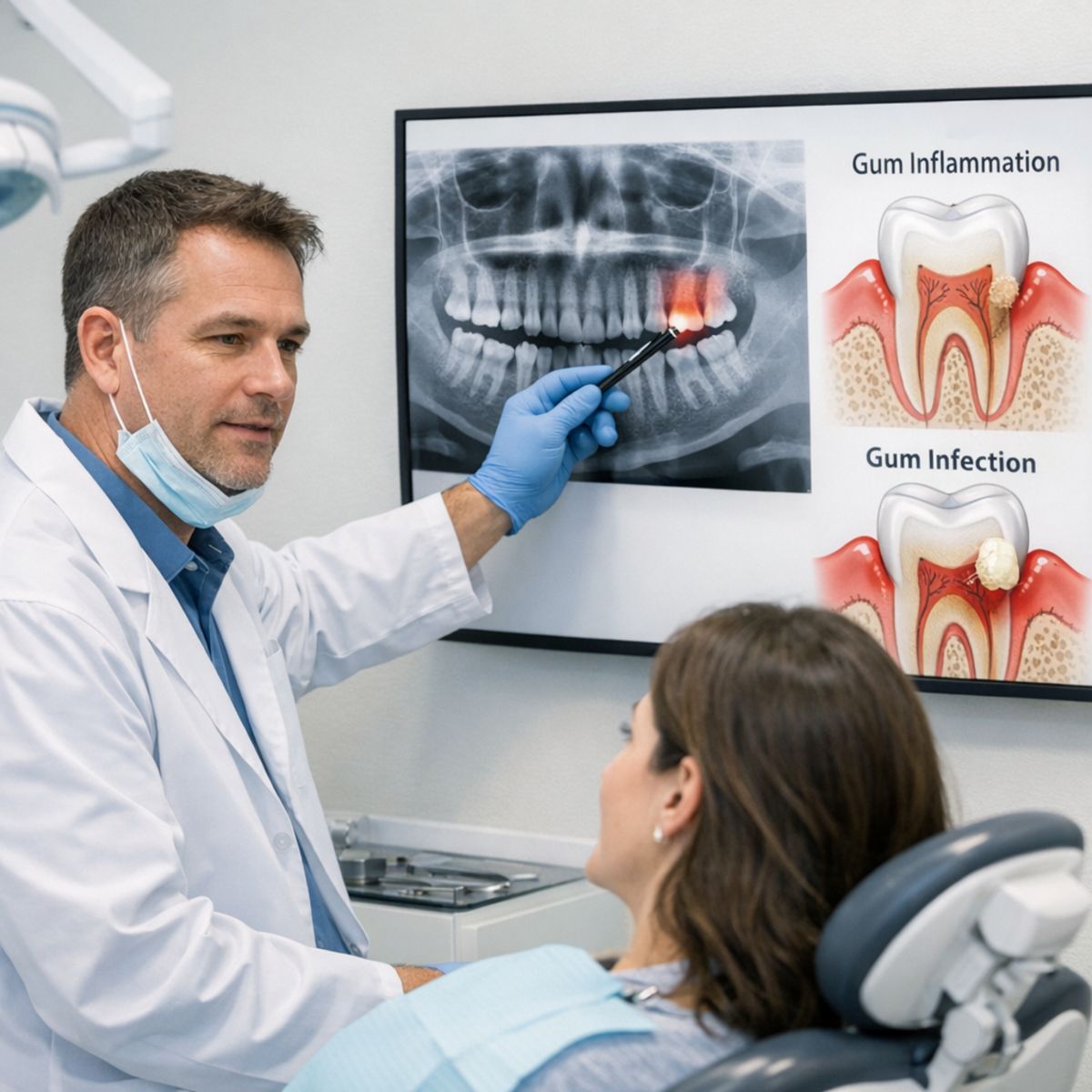
Some dental symptoms are worth having checked sooner rather than later. While online information can help you understand what to watch for, it cannot confirm the cause of pain or swelling. If you notice facial or gum swelling, ongoing bleeding, pus or drainage, a bad taste in the mouth, significant tooth pain, a loose tooth, or a sudden change in sensitivity, these signs may need prompt in-person evaluation.
These symptoms may be associated with concerns such as infection, trauma, or more advanced gum problems. In some cases, people also notice fever, pressure when biting, or that their bite suddenly feels different. A dentist can examine the area, review X-rays if needed, and explain the next steps based on what they find rather than guessing from symptoms alone.
Signs that may need prompt attention
Warning signs can include swelling, severe or throbbing pain, drainage, sudden tooth mobility, or tenderness that seems to worsen quickly. Prompt care matters because some problems can progress if left untreated. For example, concerns discussed in signs of a bad tooth may overlap with issues that deserve timely professional attention.
When gum symptoms deserve closer evaluation
If your gums bleed persistently, feel tender, appear to be receding, or you have bad breath that does not improve, it is a good idea to schedule an exam. These symptoms do not confirm a diagnosis on their own, but they can be associated with gum disease or other concerns that should be evaluated in person. A dental abscess is one example of why prompt care can matter, and treatment decisions should always follow a clinical exam.
Dental Check Up vs. Cleaning, Whitening, and Problem Visits
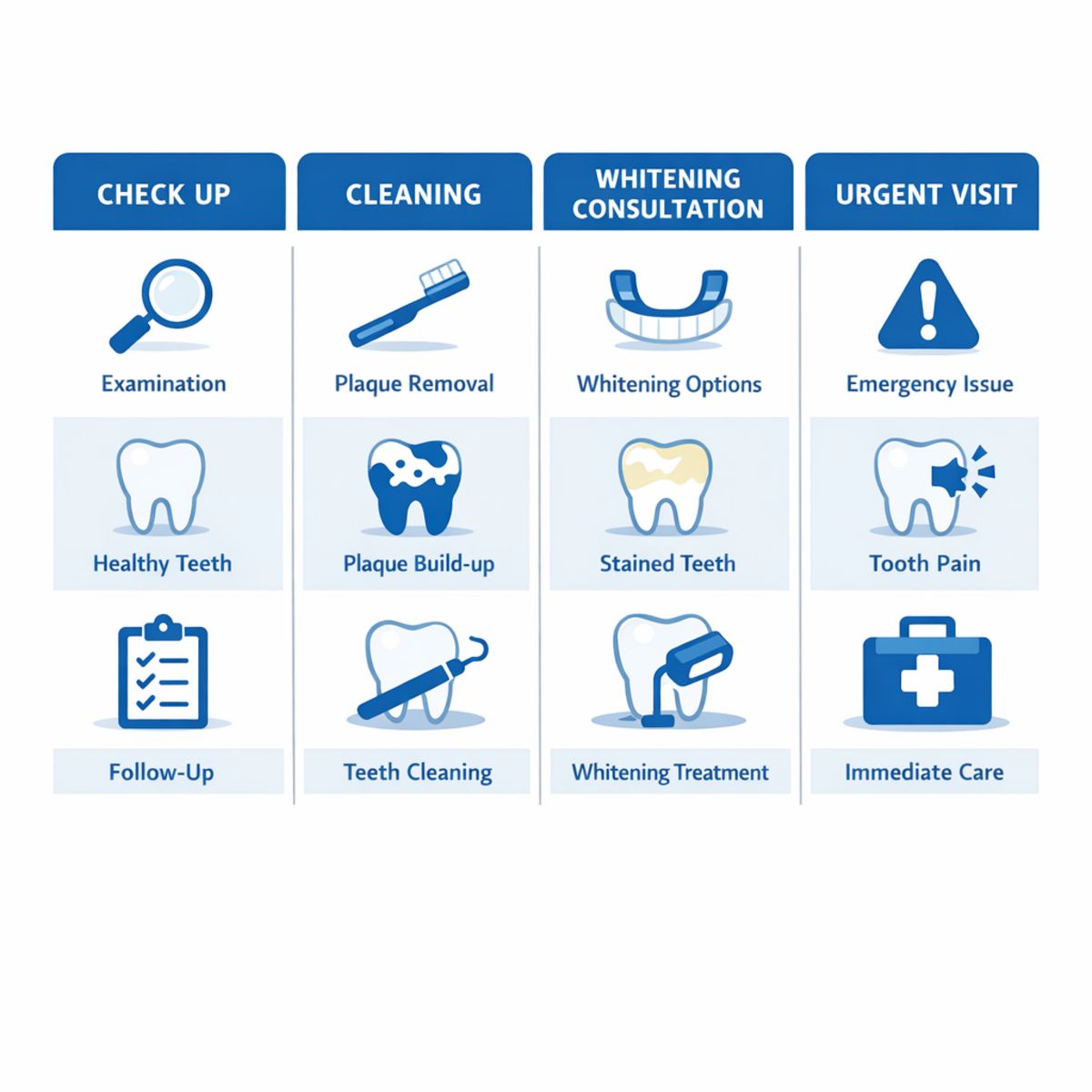
A dental check up is not always the same as every other dental appointment. A routine check up is mainly about evaluating your oral health, looking for early signs of cavities, gum disease, bite concerns, or other issues that may not be obvious yet. It helps guide what should happen next.
A preventive cleaning focuses on removing plaque and tartar buildup to support healthy teeth and gums. Many visits include both a check up and a cleaning, but they serve different purposes: one assesses, the other helps maintain.
A teeth whitening dentist consultation is different again. That visit usually centers on appearance goals, shade expectations, and whether whitening is suitable for your teeth. A check up comes first because oral health findings may affect whether cosmetic treatment should wait.
Preventive care vs. cosmetic goals
Patients searching for a cosmetic dentist near me may still need a routine exam before elective treatment begins. If you have pain, swelling, sensitivity, or a broken tooth, a problem-focused visit is the better choice because it addresses symptoms and urgent concerns directly rather than routine prevention or cosmetic planning.
Cost and Value Considerations
Cost is a common reason people delay scheduling a dental visit, and it is reasonable to want clear information before booking. The cost of a dental check up can vary depending on the type of exam, whether imaging is needed, and if any additional services are recommended during the visit. Because each situation is different, it is best to ask in advance what is included so you understand what to expect.
What may affect the total visit cost
Factors that may influence the total cost include X-rays or other imaging, periodontal charting, a specialist evaluation, and any follow-up recommendations based on the findings. Preventive care is best viewed as a way to stay informed about your oral health needs, not as a guarantee of lower future costs. If you are also comparing broader treatment planning topics, you can review financing options for dental implants for additional context on how dental expenses may be approached.
A straightforward conversation about what is included, what may be optional, and what next steps could be recommended can help you make an informed decision with fewer surprises.
Frequently Asked Questions About a Dental Check Up
How long does a dental check up usually take?
A dental check up often takes about 30 to 60 minutes, but timing can vary. It may take longer if X-rays are needed, gum measurements are recorded, or you want to discuss specific concerns.
Do I always get a cleaning at the same visit?
Not always. Exams and cleanings are often scheduled together, but the plan depends on your oral health needs, the type of visit, and the office schedule.
Can a dental check up detect gum disease?
A check up can help identify signs such as gum inflammation, bleeding, pockets around the teeth, or bone changes seen on imaging. A dentist uses these findings to assess whether periodontal disease may be present.
Should I book a visit if my gums bleed when I brush?
If bleeding happens regularly, it is a good idea to book a dental visit. Persistent bleeding can be a sign of irritation or gum problems and should be professionally evaluated.
What should I bring to a dentist appointment?
Bring a list of medications, your insurance information if applicable, and any prior dental records you have available. It also helps to bring notes about symptoms, concerns, or questions you want to discuss during the visit.
When You’re Ready to Schedule a Visit
If you’re due for a routine exam or have symptoms you’d like evaluated, scheduling a visit is a practical next step. An in-person assessment allows the dental team to understand your concerns, examine your oral health, and recommend care based on your individual needs.
Whether you want guidance about gum health, discomfort, or next steps for your smile, a professional evaluation can help you move forward with clarity. Recommendations depend on what is found during your visit and may vary from person to person.
Key Takeaways
A dental check up can help monitor your teeth, gums, and oral tissues while giving a professional the chance to spot concerns before they become more difficult to manage. The right timing for visits and follow-up care depends on your individual needs, symptoms, and oral health history. If something feels off—especially if symptoms persist—it is best not to ignore it and to seek a professional evaluation. Staying informed, proactive, and consistent with care is a simple next step toward better oral health awareness.



Recent Comments