

Bad Tooth: Signs, Causes, and When to Seek Care
A bad tooth can mean different things, and it is not a formal dental diagnosis. People often use the phrase when they notice tooth pain, discoloration, sensitivity, a chipped or broken tooth, or a tooth that just does not feel right. In many cases, what seems like a bad tooth may be related to plaque buildup, tooth decay, a crack, gum problems, or irritation around the tooth.
Because several dental issues can cause similar symptoms, it is important not to guess at the cause on your own. One person may be dealing with a cavity, while another may have worn enamel, an infection, or damage below the surface that is not easy to see. Even a loose tooth or persistent bad odor can have more than one explanation.
Why people use the term bad tooth is usually simple: they are describing a tooth that looks damaged, feels sensitive, hurts when chewing, seems loose, or no longer feels healthy. A dental exam can help identify the reason and the next steps, whether the issue is minor or needs prompt attention. Getting a professional evaluation early can often make treatment more straightforward.
Common Signs That a Tooth May Be in Trouble
A bad tooth can show up in different ways, and the symptoms are not always dramatic at first. Some problems cause obvious pain, while others stay mild or even painless until they get worse. Recognizing common warning signs can help you know when to schedule an exam, but only a dental evaluation can confirm the cause.
Pain, sensitivity, and pressure
- Toothache that comes and goes or becomes more frequent
- Sensitivity to hot or cold that lingers after the trigger is gone
- Pain when biting, chewing, or putting pressure on the tooth
- Throbbing pain, especially if it feels deep or keeps you awake
- Mild sensitivity can happen for several reasons, but worsening or persistent pain deserves prompt attention
Visible changes in the tooth or gums
- Visible holes, pits, or rough edges on the tooth
- Dark spots, discoloration, or a tooth that looks gray
- A chipped or cracked area that catches your tongue
- Redness, swelling, or gum recession around one tooth
- Bad taste in the mouth, drainage, or persistent bad breath
- Possible signs of tooth infection can include swelling, drainage, or throbbing pain, but these symptoms do not confirm the exact problem on their own
More urgent warning signs include facial swelling, increasing pressure, or symptoms that rapidly worsen. Even without severe pain, visible changes or ongoing irritation should be checked, because some serious dental issues can be painless at first.

Why Early Evaluation Matters
Prompt evaluation can be an important step when you notice sensitivity, discomfort, visible wear, or changes in your gums. Conditions such as tooth decay, tooth erosion, and small cracks often begin subtly, but they may progress over time if they are not assessed. An early visit helps identify what is happening now and what preventive steps may be appropriate based on your specific condition.
Small problems may become larger ones
A minor cavity, worn enamel, or a small fracture may seem manageable at first, yet these issues can become more complex if ignored. As damage extends deeper into the tooth, treatment decisions may change. Earlier care may help preserve more natural tooth structure and may allow for more conservative treatment, depending on the condition and how far it has progressed.
Gum-related concerns also matter because the gums and surrounding tissues help support your teeth. If inflammation or infection affects that support, stability and comfort may be impacted. The goal of early evaluation is not to promise a specific outcome, but to give you clear information, discuss options, and support patient-centered decision-making. In some cases, your provider may also discuss supportive therapies, including ozone therapy treatment options for oral care, as part of a broader plan.

What Causes a Bad Tooth?

A bad tooth can develop for several different reasons, and the cause is not always obvious from discomfort alone. In many cases, the problem starts with plaque, a sticky film of bacteria that collects on teeth and along the gumline. When plaque is fed by sugars and starches, it produces acids that can weaken enamel, irritate gums, and set the stage for more serious dental problems. Symptoms can overlap across conditions, so pain, sensitivity, swelling, or a loose feeling do not point to one definitive diagnosis by themselves.
Tooth decay and cavities
Tooth decay is one of the most common reasons a tooth starts to feel unhealthy. As plaque bacteria repeatedly produce acid, the enamel begins to break down. Over time, this can create a tooth cavity. If the decay moves deeper, it may reach the dentin or inner nerve area, which can lead to stronger sensitivity or pain. Good brushing, flossing, and regular dental visits help reduce plaque buildup and lower the risk of cavities before they become larger problems.
Erosion, chips, and cracks
Not every damaged tooth is caused by decay. Tooth erosion happens when acids from foods, drinks, or stomach acid gradually wear away the enamel. This kind of wear is different from a cavity, even though both can make a tooth sensitive. A chipped tooth or crack may also develop from trauma, chewing something hard, or grinding and clenching. When the outer layer is damaged, the more sensitive inner structure can become exposed, making the tooth feel weak, sharp, or painful when biting.
Gum problems and infection
Sometimes the issue is not only the tooth itself but the tissues supporting it. Gum disease can irritate the gums, damage bone support, and make a tooth feel loose or unhealthy even when the tooth structure is not the only concern. Deeper infection may also develop around or inside a tooth, especially if decay, cracks, or failing dental work allow bacteria to spread. Old fillings, crowns, or other restorations can break down over time and create spaces where bacteria collect. Because these conditions can affect comfort, stability, and surrounding tissues in different ways, a professional exam is usually needed to identify the underlying cause and decide on the next step in treatment.
Bad Tooth vs. Other Dental Problems
Some dental symptoms can feel similar at first, which is why comparison-style questions are so common. A bad tooth may overlap with other problems, but the pattern of discomfort is not always the same. The goal is not to sort out a diagnosis at home, but to understand why certain symptoms can point in different directions and why persistent pain deserves professional evaluation.
Sensitivity versus structural damage
A cavity-related toothache often causes pain that lingers, becomes more noticeable when chewing, or gradually worsens over time. By comparison, sensitivity from enamel wear may be more brief and trigger-specific, such as a quick zing from cold drinks or sweets. Even so, either pattern can become more significant if it keeps happening.
A cracked tooth can also feel different from gum-only discomfort. Cracks may cause sharp pain when biting or when pressure is released, while gum tenderness around an otherwise healthy tooth may feel more sore, swollen, or irritated along the gumline rather than deep inside the tooth itself.
Other conditions can mimic tooth pain too. Sinus pressure may create aching in upper teeth, clenching can lead to soreness or sensitivity, and gum inflammation may make an area feel tender even when the tooth structure is not the main issue. Because symptoms can overlap, ongoing or worsening discomfort should be checked rather than assumed to be temporary.
What to Do if You Think You Have a Bad Tooth
If you think you have a bad tooth, focus on protecting the area and arranging an in-person dental evaluation. Self-care may help you avoid making the problem worse, but it does not replace an exam.
1. Protect the area and avoid triggers
Brush gently and floss carefully to keep the area as clean as you comfortably can. Rinse with water after eating, and avoid very hot, very cold, or sugary foods and drinks if they trigger pain or sensitivity. If chewing hurts, use the other side of your mouth until you can be seen. If part of the tooth has broken off, save the fragment if possible and bring it with you to your appointment.
2. Watch for signs that need prompt attention
Do not ignore swelling, a bad taste in the mouth, drainage, fever, severe pain, or symptoms that are getting worse quickly. These signs can mean the problem needs prompt professional care. Even if discomfort comes and goes, changes in pain, pressure, or swelling are worth noting.
3. Arrange a professional exam
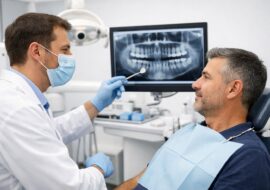
Schedule an in-person evaluation as soon as you can, especially if pain is worsening or the tooth feels cracked, loose, or difficult to bite on. A clinical exam and imaging can help determine whether the issue involves decay, a fracture, gum problems, or infection. Getting the tooth checked promptly can help your dental professional recommend the most appropriate next step.

How Dentists and Periodontal Specialists Treat a Bad Tooth
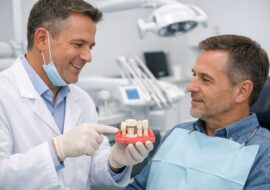
Treatment usually starts with a careful exam to understand why a tooth feels damaged, painful, loose, or difficult to chew on. A dentist or periodontal specialist may look at the tooth itself, review X-rays, check the bite, and evaluate the surrounding gums and bone. This helps determine whether the main issue is decay, a crack or fracture, infection, bite-related stress, or gum disease affecting support around the tooth.
Evaluation and diagnosis
The findings from the exam guide the next step. If enough healthy tooth structure remains, a tooth restorative plan may focus on rebuilding and protecting the tooth. If the nerve appears involved, root canal treatment may be recommended or coordinated with an endodontic provider. If the gums are inflamed, pockets are present, or bone loss is affecting stability, periodontal therapy may also be part of care. In some cases, the tooth position, fracture pattern, or amount of exposed structure near the gumline can influence whether a filling or crown is practical, and whether procedures such as a crown lengthening procedure and recovery guide may help create a more predictable foundation for restoration.
Restorative and periodontal treatment paths
Common treatment categories may include fillings for smaller areas of damage, crowns for teeth that need more coverage and strength, and periodontal therapy when gum disease or bone loss is part of the problem. Some patients may need coordinated care, where infection control, gum treatment, and restorative planning happen in stages. If a tooth cannot be predictably maintained, extraction may be discussed along with replacement planning such as a bridge, denture, or implant, depending on overall oral health and site conditions.
The right approach depends on how much sound tooth remains, whether the roots and surrounding bone are healthy enough to support treatment, and what the exam shows about long-term function. Because every case is different, candidacy and outcomes should be based on an in-person evaluation rather than assumptions.

Cost Factors to Consider
If you are worried about cost, that is a normal part of planning treatment for a bad tooth. The total scope can vary because the diagnosis is not always the same from one patient to another, and the recommended care depends on what is found during the exam.
Why treatment costs can vary
Costs often depend on the condition of the tooth, whether imaging is needed, whether gum treatment is part of the plan, and whether the tooth can be restored or may need to be removed and replaced. Complexity also matters, especially when treatment needs to support long-term function and oral health rather than only short-term relief.
In some situations, phased treatment may be discussed so care can be approached in a practical sequence. If replacement becomes part of the conversation, it may help to review educational information about financing options for dental implants in 2026.
Frequently Asked Questions About a Bad Tooth
Below are concise answers to common questions about a bad tooth, with practical guidance that supports next-step decision-making without trying to diagnose the cause at home.
Can a bad tooth get better on its own?
Symptoms can sometimes ease for a while, but that does not always mean the underlying issue has resolved. Decay, cracks, or irritation may still be present, so a professional evaluation is usually the safest way to understand what is going on.
Is a chipped tooth always serious?
Not always. A very small chip may be more of a cosmetic concern, but pain, sensitivity, a sharp edge, or a larger break can suggest a deeper problem and should be checked sooner.
Can one bad tooth cause bad breath?
It can in some cases, especially if food debris, decay, or drainage is involved. However, gum concerns, dry mouth, and other oral health issues may also contribute, so bad breath does not point to only one cause.
What are common signs of tooth infection?
Possible signs may include swelling, throbbing pain, tenderness, a bad taste, drainage, or discomfort that seems to worsen over time. These symptoms can overlap with other dental problems, so an exam is needed to confirm the cause.
When should I schedule a dental evaluation?
It is wise to schedule an evaluation if symptoms last more than a day or two, keep returning, or get worse. Swelling, visible damage, pain when chewing, or increasing sensitivity are also good reasons to seek timely dental care.
When to Reach Out for Professional Care
If you have persistent pain, visible damage, swelling, or ongoing sensitivity, an in-person evaluation can help clarify what is happening and guide the next steps. Your visit should focus on your needs, with personalized treatment recommendations based on your symptoms, goals, and overall oral health.
Request an appointment
If you are ready to have your concerns evaluated, our team is here to help you schedule a consultation in a calm, supportive setting.
Final Thoughts
A bad tooth can come from several different issues, so the most helpful next step is understanding the cause. Getting it checked early may help clarify your options and support the right care, with reassurance that answers and treatment are available.




Recent Comments