
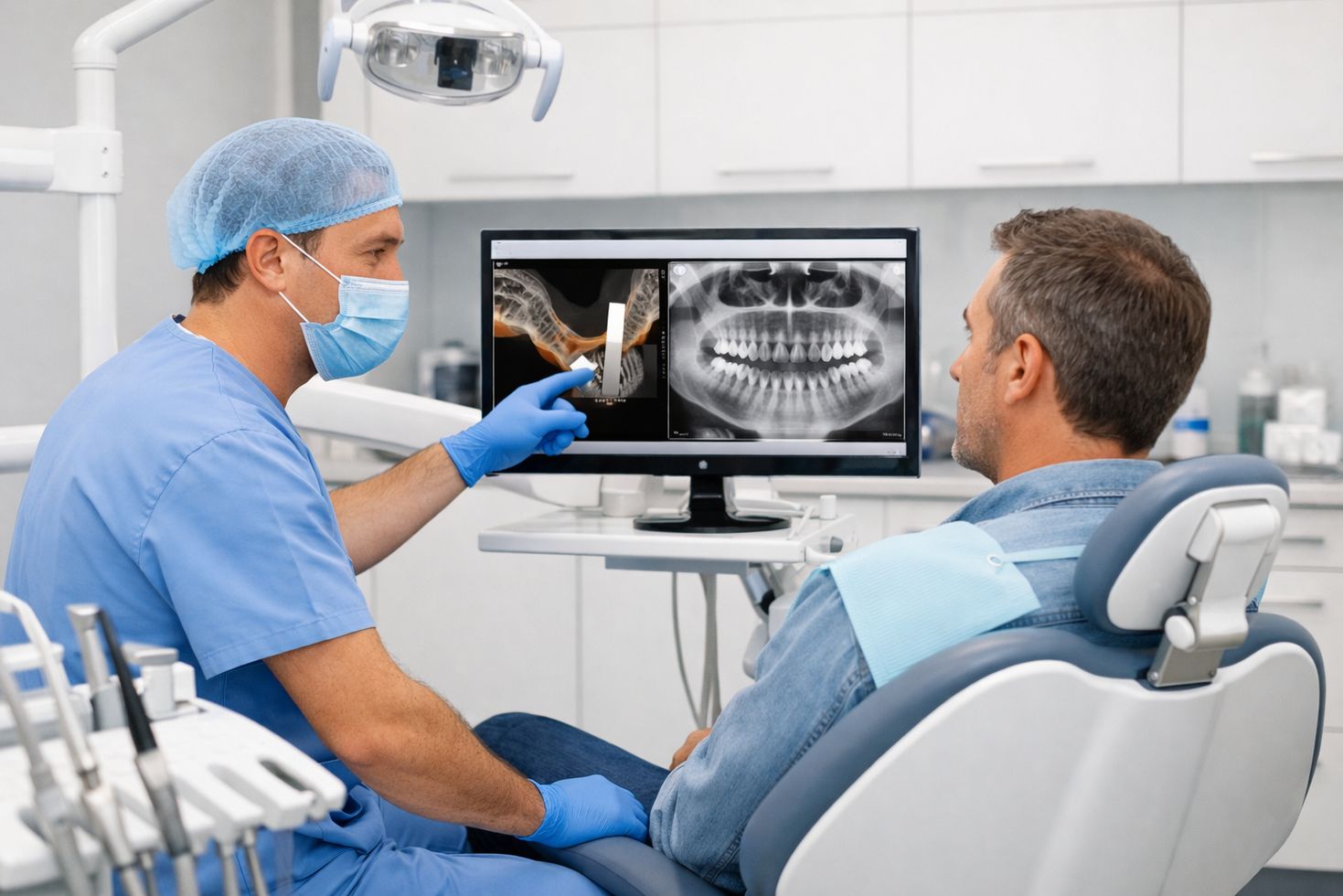
Understanding the Sinus Lift Implant Procedure, Techniques and Complications
A sinus lift implant plan may be recommended when there is not enough bone in the upper back jaw to support a dental implant securely. In this area, the sinus space sits close to the roots of the upper molars and premolars, so available bone height can be limited. After tooth loss, that bone may shrink over time, and natural anatomy can also play a role. For some patients, adding bone beneath the sinus creates the support needed for long-term implant stability.
This does not mean everyone needs the same approach. Candidacy, technique and recovery vary based on bone volume, sinus shape, overall oral health and the number of implants being planned. Some people need a more involved grafting procedure, while others may qualify for a less extensive technique or may not need sinus augmentation at all.
In the sections ahead, you will learn how sinus lift techniques work, what possible complications can occur, what recovery may involve and which questions can help guide a personalized evaluation. The goal is to give you a balanced, practical overview so you can better understand how this procedure fits into implant planning.
What a Sinus Lift Implant Procedure Means
A sinus lift, also called sinus augmentation or a maxillary sinus lift, is a procedure used to increase bone height in the upper back jaw. It involves gently raising the sinus membrane and placing graft material beneath it to create more room for bone support. The purpose is not the same as placing a dental implant itself. Instead, it is often a preparatory step that may help make implant treatment possible or more predictable in selected cases.
This area can be challenging because the maxillary sinus sits above the upper premolars and molars. When bone in that region is naturally thin, or has changed after tooth loss, there may be limited height available for implant planning. A maxillary sinus lift is designed to improve that foundation, but whether it is recommended depends on your specific condition, imaging findings and overall oral health. You can learn more about sinus augmentation treatment options explained during a full evaluation.
How the sinus and upper jaw affect implant support
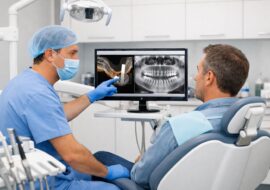
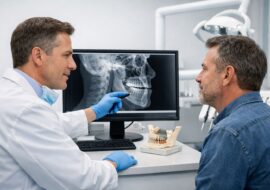
The sinus is an air-filled space above the roots of the upper back teeth. If there is not enough bone between the mouth and the sinus floor, implant support may be limited. That is why treatment planning usually relies on detailed imaging, careful review of anatomy and a discussion of health factors that could affect healing.
The goal of adding bone volume
The graft material used in a sinus lift helps create a more suitable area for future or, in some cases, simultaneous implant placement. The main goal is to improve available bone volume for stability, while recognizing that candidacy and timing are determined during an in-person assessment.

When a Sinus Lift May Be Recommended
A sinus lift may be considered when there is not enough bone height in the upper back jaw to support dental implants as planned. This can happen after a tooth has been missing for a long time, after bone changes that follow an extraction, or simply because the sinus floor naturally sits lower in that area. In these situations, sinus augmentation can create more treatment planning options and help support long-term restorative goals.
Whether this approach is appropriate depends on the individual. Your periodontist or implant provider may review imaging, bone dimensions, gum and periodontal health, smoking status, and any sinus history before recommending next steps. If you are researching options, it may also help to learn how to compare implant providers so you can better understand how experience and planning affect care.
Common reasons bone height may be limited
In the upper molar and premolar region, available bone can be reduced for a few common reasons. After a tooth is removed, the surrounding bone may gradually shrink over time. Some people also have anatomy that leaves less space between the ridge and the sinus from the start. When tooth loss has been present for years, these changes can become more noticeable, which may affect implant planning.
Why treatment timing can differ
Not every case is handled the same way. In some situations, a clinician may place the implant during the same visit as the sinus lift if there is enough existing bone to support initial stability. In other cases, a staged approach may be recommended first, allowing the site to develop before implant placement. The decision is usually based on anatomy, available bone, imaging findings, and the goals of the final restoration rather than a one-size-fits-all timeline.
Common Techniques Used in Sinus Augmentation

Sinus augmentation can be performed in more than one way, and the best approach depends on how much bone is available, the shape of the sinus, and the overall implant plan. In general, clinicians choose between a lateral window technique and a crestal technique based on the amount of vertical bone gain needed and the anatomy seen on imaging. Neither method is automatically better in every situation.
Lateral window approach
The lateral window approach involves creating access through the side of the upper jaw. This allows the clinician to carefully elevate the sinus membrane and place graft material beneath it. It is often considered when there is limited existing bone height and a greater amount of augmentation may be needed before or during implant placement. Because the access is broader, this method can offer good visibility for managing the membrane and shaping the grafted area.
Crestal approach
The crestal approach reaches the sinus floor through the implant site area rather than from the side. It may be used in selected cases where only a more limited lift is needed and there is already a moderate amount of native bone present. Some clinicians use osteotome-based methods, while others use alternative instruments designed to elevate the membrane more conservatively. Case selection is important, since this approach is generally suited to more modest augmentation goals.
How clinicians choose materials and methods
Technique selection is guided by clinical findings, not by a one-size-fits-all preference. Imaging helps evaluate bone quantity, sinus anatomy, membrane condition, and the position of nearby structures. Clinicians also consider restorative goals, including implant size, location, and how the final tooth replacement will function. Graft and membrane choices vary as well, depending on the treatment plan and the need for space maintenance and healing support.
Patients researching options may also come across the term augma sinus lift. This refers to an approach or product category that may be discussed in some treatment settings, but it should be viewed in the same broader context as other techniques and materials. The right method depends on the individual anatomy, the amount of lift required, and the clinician’s judgment about what is most appropriate for predictable implant support.
Sinus Lift Compared With Other Implant Planning Options
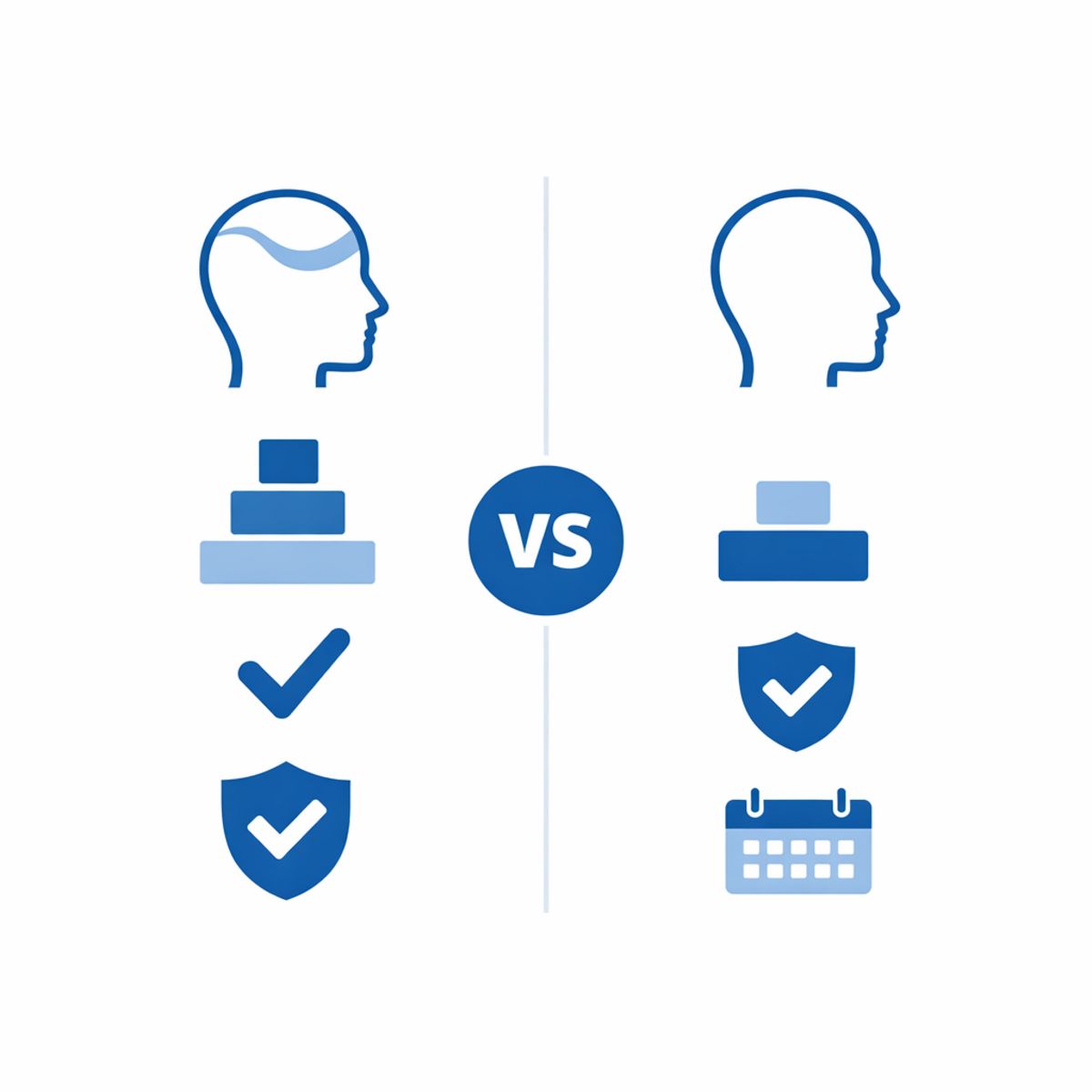
A sinus lift is one option within a broader implant planning process, not the automatic answer for every upper jaw case. In some situations, a specialist may also evaluate shorter implants, modified implant positioning, angled implants or a different restorative plan altogether. The right approach depends on how much bone is available, the shape of the sinus, bite forces, bone quality and the long-term goals for the final teeth.
Why alternatives may be discussed
Alternatives may be discussed because not every patient needs the same level of grafting or the same implant design. For example, some people may have enough existing bone for a shorter implant, while others may benefit from changing implant position or adjusting the prosthetic plan to better match their anatomy. In other cases, a sinus lift may offer the most predictable foundation for the restoration being planned.
These options are not universally interchangeable. Imaging, measurements and an in-person exam help determine what is realistic and appropriate for your specific case. If you want a clearer picture of how this treatment fits into implant planning, you can learn more about sinus augmentation and discuss which approach best supports your oral health and restorative goals.
What Can Affect the Cost of a Sinus Lift Implant Plan
The cost of a sinus lift implant plan can vary because treatment is tailored to your anatomy, oral health, and long term restorative goals. A clear estimate usually depends on a consultation, imaging, and a detailed review of the area being treated.
Variables that influence treatment fees
Common factors include the type of imaging needed, the complexity of the sinus and jawbone anatomy, and the grafting materials selected for the procedure. Cost may also be affected by whether implants can be placed at the same time as the sinus lift or whether healing is needed before the next phase.
The overall restorative plan matters too. For example, the number of implants, the type of final restoration, and any related periodontal or preparatory care can all influence the full treatment plan. Fees may also vary by provider, region, and individual clinical needs.
If you are comparing options, it can help to understand what implant results can look like alongside the planning process. The most accurate way to understand cost is through a personalized evaluation and treatment recommendation.
Possible Sinus Lift Complications and How They Are Managed
It is reasonable to ask about sinus lift complications before treatment. Most discussions focus on possibilities, not predictions, because each patient starts with different anatomy, sinus health, bone volume and healing patterns. A careful evaluation helps your clinician weigh benefits and risks, explain what is more or less likely in your case and plan follow-up accordingly.
Complications patients often read about
Commonly discussed sinus augmentation complications include a small tear in the sinus membrane, swelling, bruising, minor bleeding, temporary sinus pressure or congestion, infection risk and slower than expected graft healing. In some cases, the graft may need more time to mature before implant placement, or the treatment sequence may need to be adjusted. These issues do not all carry the same level of concern, and management depends on what is actually found during surgery or healing.
Your clinician may also discuss factors that can influence healing, including smoking, existing sinus conditions and the type of grafting approach used. Some practices may review adjuncts or healing support materials in dental care as part of a broader treatment conversation, but recommendations vary by individual needs.
Why follow-up and communication matter
If symptoms feel unusual, prompt communication with the treating office matters. Management may involve monitoring, home care guidance, medication, delaying implant placement or revising the plan after reassessment. This section is not meant to diagnose symptoms from a distance. The most reliable next step is an exam with the clinician who knows your imaging, procedure details and recovery timeline.

How to Prepare for a Sinus Lift and Support Recovery
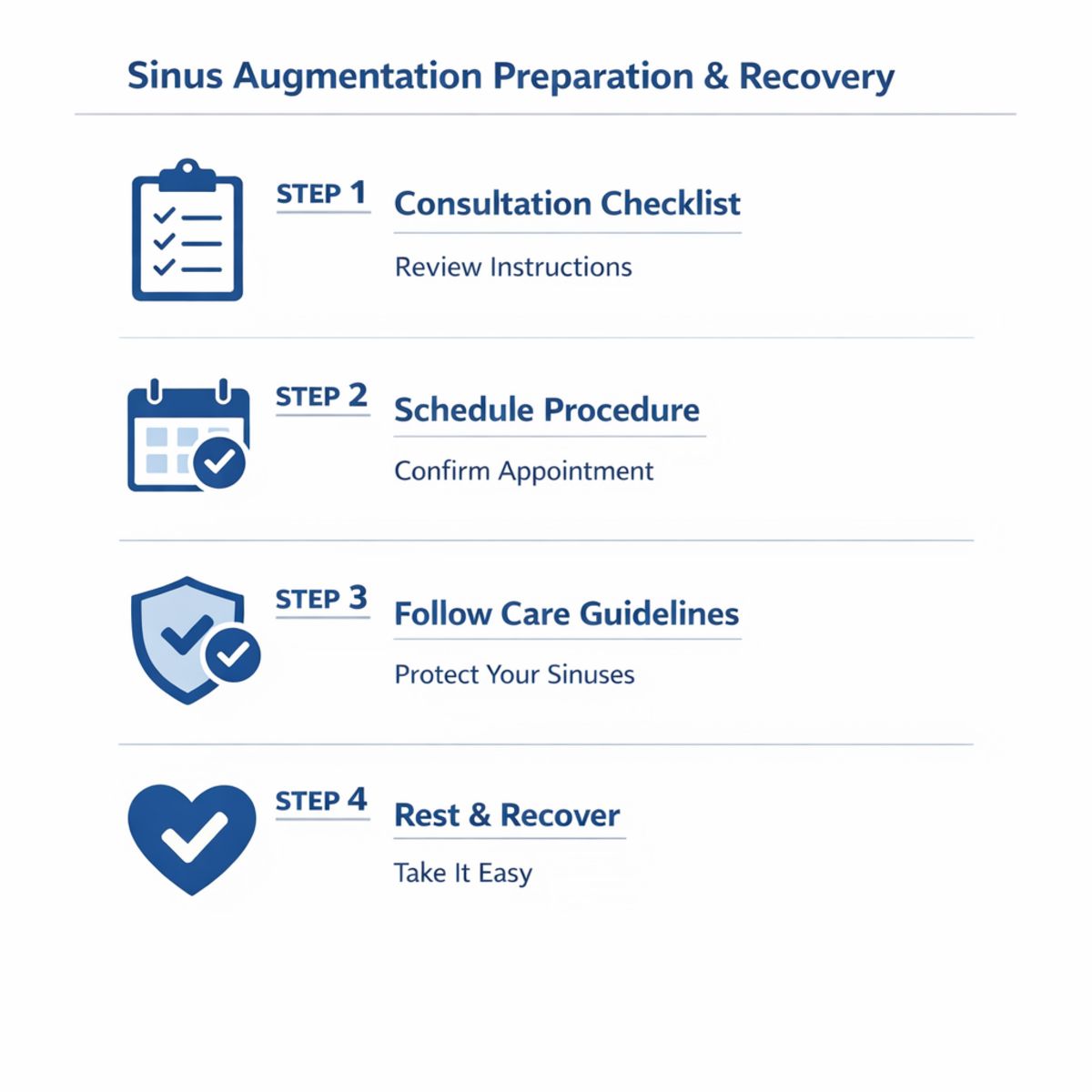
A little preparation can make your consultation and aftercare discussions feel more manageable. The most helpful approach is to treat this stage like a checklist, ask questions, share relevant health details, and follow the instructions your own provider gives you, since those directions always take priority.
Before the procedure
Bring up your medical history, current medications, supplements, smoking or nicotine use, sinus concerns, allergies, and any prior dental treatment that may affect planning. It can also help to write down questions in advance, including what to expect on the day of treatment, what type of aftercare guidance you will receive, and when follow-up visits may be needed. If you have records or imaging from previous dental care, ask whether those are useful to share.
After the procedure
Recovery experiences vary from person to person. Your clinician may give instructions about eating, activity, oral hygiene, and sinus precautions, such as avoiding forceful nose blowing if advised. Follow those directions closely, keep any scheduled follow-up appointments, and contact your provider if you have questions about symptoms or healing. General guidance can be helpful, but your provider’s recommendations should guide each next step.
Frequently Asked Questions About Sinus Lift Implant Treatment
Is a sinus lift always needed before an upper dental implant?
No. It depends on how much bone is available in the upper back jaw and where the sinus sits. A clinical exam and imaging help determine whether this step is recommended for implant support.
Can implants be placed at the same time as a sinus lift?
Sometimes, yes. In some cases, an implant can be placed during the same procedure if there is enough existing bone for initial stability. In other situations, healing is allowed first before implant placement.
What are the most common sinus lift complications?
Potential risks can include swelling, bleeding, infection, graft issues, or a small tear in the sinus membrane. Your provider should review these possibilities and explain how they are managed if they occur.
How long does recovery vary after sinus augmentation?
Early recovery often takes several days to a couple of weeks, while full healing of the grafted area may take longer. Timelines vary based on the procedure, your health history, and whether implants are placed at the same visit.
Does a maxillary sinus lift affect normal sinus function?
It generally should not permanently affect normal sinus function when healing goes as expected. However, individual anatomy and sinus health matter, so your surgeon will assess any factors that could influence treatment planning.
Who should evaluate whether I need this procedure?
A qualified dental implant provider, oral surgeon, or periodontist should evaluate you. Personalized recommendations are based on your bone volume, sinus anatomy, treatment goals, and imaging findings.
Final Thoughts on Sinus Lift Implant Planning
Sinus lift implant planning is not one-size-fits-all. The right technique, timing, and overall treatment approach depend on your anatomy, bone volume, oral health, and goals for your smile. Careful imaging and a thorough evaluation help guide decisions while keeping the process focused on safety and long-term function.
If you are considering dental implants and want guidance tailored to your needs, you can contact the team for a personalized evaluation.



Recent Comments