

Bone Graft for Dental Health: Procedure, Healing, and Next Steps
A bone graft is a dental procedure used to help rebuild or preserve jawbone in certain situations. It may be recommended after tooth loss, in areas affected by periodontal disease, or when planning for future restorative treatment such as a dental implant. For many patients, the idea of needing additional treatment can feel overwhelming, but recommendations are based on the condition of the bone, overall oral health, and long-term treatment goals.
Not everyone needs a bone graft, and candidacy can only be determined through an in-person evaluation. Healing timelines and treatment steps can also vary depending on how much bone is present, whether the area is actively healing, and the type of procedure being considered. This guide is meant to explain the basics in a clear, educational way so you can better understand why a bone graft may be discussed as part of a personalized treatment plan.
What this guide covers
Below, you’ll learn about the purpose of bone grafting, what healing may involve, how timing can relate to tooth extraction, when a membrane may be used, and which questions may be helpful to ask during a consultation. The information is intended to support informed conversations with a dental professional, not to diagnose your specific needs.
What Is a Bone Graft in Dentistry?
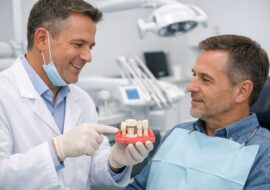
A bone graft in dentistry is material placed in the jaw to help support bone regeneration or preserve existing bone. In simple terms, it is used when a dentist or periodontist wants to maintain or rebuild the foundation that supports teeth or future dental treatment. This is different from other medical grafts elsewhere in the body because the focus here is the jawbone and how it supports oral function, appearance, and long-term stability.
A dental bone graft may be recommended after tooth loss, around areas affected by advanced gum problems, or when planning for treatment that depends on healthy bone support. In some cases, the goal is to help preserve the shape of the ridge after an extraction. In others, it is to create better support for future restorations, including implant supported tooth replacement options.
Why preserving jawbone matters
The jawbone can change over time after a tooth is lost or when periodontal disease has damaged supporting structures. Preserving bone can help maintain function and keep more treatment options open later. That does not mean every patient needs the same approach, but it does mean the condition of the bone is an important part of treatment planning.
Bone graft material and membrane basics
Graft materials can vary, and the right choice depends on the clinical situation, the location in the mouth, and the treatment goal. A bone graft and membrane are also often used together. The membrane acts like a protective cover over the area, helping protect the site and support healing while the graft does its job. Your periodontist will recommend the option that best fits your needs rather than relying on a one-size-fits-all material.

When a Bone Graft May Be Recommended
A periodontist may recommend extraction and bone graft treatment in specific situations where preserving bone could support future care. This is not necessary for every extraction or every missing tooth. Instead, the decision depends on the location of the tooth, the amount of existing bone, imaging findings, and your overall treatment goals.
After tooth extraction
When a tooth is removed, the surrounding socket can change as it heals. In some cases, a graft may help preserve bone and maintain the shape of the area, especially if a replacement tooth may be considered later. If you are preparing for an extraction, it can help to learn more about what to expect after tooth removal and how healing may affect the site.
For periodontal bone loss
Periodontal bone loss related to gum disease can affect the support around certain teeth. In selected areas, grafting may be part of treatment planning to address defects and improve the foundation around the tooth. Whether this is appropriate depends on the pattern of bone loss, the condition of the gums, and a careful clinical evaluation.
Before implant planning
Some patients have enough bone for implant planning without additional procedures, while others may benefit from grafting first. In those cases, a graft may help create a more stable foundation for future restorative care. The goal is to support implant planning thoughtfully, without assuming grafting is always required or that outcomes are the same for every patient.

What Happens During a Bone Graft Procedure

A bone graft procedure is usually planned in stages so your specialist can match treatment to the area involved and the amount of bone support needed. While every case is different, most bone graft surgery follows a similar sequence, beginning with evaluation and ending with follow-up care. The exact details may vary if the graft is being placed in an extraction socket, around a periodontal defect, or in an implant-related area.
Evaluation and treatment planning
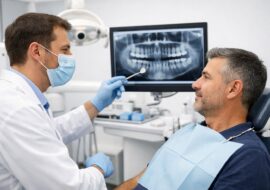
The first step is a consultation that may include an exam, X-rays or 3D imaging, and a review of your medical and dental history. This helps the periodontist understand the condition of the bone and surrounding tissues, identify the cause of bone loss, and determine whether grafting is appropriate. Candidacy cannot be confirmed online because the decision depends on findings that can only be assessed in person. At this stage, your doctor also explains the goals of treatment, timing, and whether any supportive periodontal care options may be part of the overall plan.
Placement of graft material
On the day of treatment, comfort-focused anesthesia is typically used to numb the area. Once the site is prepared, the graft material is placed where added bone support is needed. In some situations, a protective membrane may also be used to help stabilize the area and support healing. The site is then closed with sutures when appropriate. Although the steps are often straightforward, the approach can differ based on the size and location of the defect and the reason the graft is being done.
Immediate aftercare overview
After the procedure, you will usually receive instructions about oral hygiene, eating, activity, and follow-up visits. These directions are an important part of healing and should be followed closely. Your provider may also explain what to expect during the early recovery period and when the area will be rechecked. Because healing timelines vary, it is best to rely on the treating clinician’s guidance rather than comparing your experience to someone else’s.
How to Support Recovery After Bone Graft Surgery
Recovery after a bone graft is usually less about doing one perfect thing and more about consistently following the instructions from your dental team. In general, that means protecting the treatment area, taking medications only as directed, being gentle with home care, choosing softer foods if advised, and keeping scheduled follow-up visits. These habits can support comfort and help the site heal without unnecessary irritation.
It is also helpful to remember that swelling, tenderness, and day-to-day progress can vary from person to person and from one procedure to another. If you have had other treatment before, you may find recovery expectations for periodontal procedures useful for broader context, but your own instructions should always come first.
The first few days
During the early phase, focus on protecting the site. Avoid disturbing the area if your clinician told you to be cautious there, and follow any guidance about brushing, rinsing, eating, and activity. Small adjustments to your routine can make healing feel more manageable while reducing the chance of disrupting the grafted area.
Understanding bone graft healing stages
Bone graft healing stages are usually gradual. Soft tissue on the surface may improve before the deeper bone has fully matured, which is why follow-up visits matter. Your dental team may check both how the area looks and how it is progressing beneath the surface over time. Rather than expecting one fixed timeline, it is better to think in terms of broad healing phases that vary by individual and procedure type.
When to contact your dental team
If symptoms feel unexpected, seem to worsen, or do not match the instructions you were given, contact your treating office. Reaching out with questions is an important part of safe recovery and can help you understand what is normal for your situation.

Bone Graft vs. Other Jaw Bone Surgery Situations
The term jaw bone surgery can describe several different treatments, which is why it often causes confusion. Bone grafting is one type of procedure used in oral and periodontal care, but it is not the same as every surgery involving the jawbone. In many cases, grafting is a focused treatment meant to rebuild or preserve bone in a specific area rather than address a broader surgical issue.
Extraction site grafting vs. periodontal defect grafting
Extraction-site grafting is commonly done after a tooth is removed to help preserve the shape and volume of bone in that area. The goal is often to support healing and, in some cases, prepare the site for a future replacement tooth or dental implant.
Periodontal defect grafting is different because it is usually aimed at rebuilding bone that has been lost around a tooth due to gum disease. Here, the objective is not filling an empty socket, but helping support the tooth and surrounding structures where damage has already occurred.
Why terminology can be confusing
Patients may hear “jaw bone surgery” used as a broad phrase, even when the planned treatment is a small, localized graft. Grafting to support future implants, grafting after an extraction, and grafting for periodontal defects can all involve bone, but they are done for different reasons.
Complexity and recovery can also vary depending on the site, the amount of bone involved, and the treatment goal. That is why it helps to ask exactly what type of procedure is being recommended, what problem it is meant to solve, and how it fits into your overall care plan.
What Can Affect the Cost of a Bone Graft
The cost of a bone graft can vary because treatment is planned around your specific oral health needs. Factors that may affect a personalized estimate include the size of the graft, where it is needed in the mouth, and the type of grafting material your periodontist recommends. Costs may also differ if a tooth extraction and bone graft are completed during the same visit, or if additional imaging is needed to guide treatment planning.
Why treatment costs vary
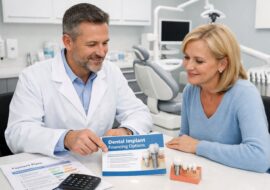
Other considerations can include sedation needs, the complexity of the site, and the follow-up care needed to support healing. Insurance coverage and financing details can also vary, so those questions are usually best reviewed directly with the office. If you are comparing next steps, it may also help to learn about financing options for implant treatment. In general, the most useful way to understand cost is through a consultation that connects your diagnosis, treatment goals, and timeline.
Frequently Asked Questions About Bone Grafts
Quick answers to common concerns
Is a bone graft always needed after a tooth extraction?
No. In some cases, the area may heal acceptably without grafting, while in others a graft may help preserve bone shape and volume. The right approach depends on the tooth location, your bone levels, and future treatment plans.
How long do bone graft healing stages usually take?
Healing often happens in stages, beginning with early tissue recovery and followed by slower bone remodeling. Timelines vary widely from person to person, so your dentist or specialist will usually monitor healing before recommending the next step.
What is a bone graft and membrane used for?
A bone graft is commonly used to support or rebuild areas where bone volume is limited. A membrane may be placed over the graft to help protect the site and guide healing, but whether one is used depends on the clinical situation.
Can a bone graft be done at the same time as an extraction?
Yes, it often can be done at the same visit. However, that decision depends on factors like infection, bone condition, and the overall treatment plan, so an in-person evaluation is important.
Does bone graft surgery hurt?
Many patients report that the procedure itself is manageable because the area is numbed during treatment. Some soreness, swelling, or tenderness afterward can happen, but the experience and recovery can differ by individual and by procedure type.
How do I know if I need a bone graft before a dental implant?
This is usually determined through an exam and imaging to assess available bone and implant support. If bone volume is limited, grafting may be recommended, but only a qualified dental professional can say what is appropriate for your case.
When to Schedule a Bone Graft Consultation
If you are planning an extraction, exploring dental implants, replacing missing teeth, or have concerns about bone loss, this is a good time to schedule a consultation. An in-person visit allows your provider to review imaging, evaluate your oral health, and explain whether bone grafting may be recommended as part of your treatment plan.
Reasons to book an evaluation
Many patients book when they have been told they may need grafting, want to understand bone support before implant treatment, or have questions after tooth loss. Your recommendations will be based on your specific needs and findings at the appointment.
Key Takeaways About Bone Grafting
A bone graft is used to help support areas where bone volume or quality may not be sufficient, and it may be recommended when preparing for future treatment or protecting long-term oral health. Because every case is different, healing time and overall outcomes can vary based on the condition of the area being treated, your gum health, and the goals of care.
If you are wondering whether bone grafting is necessary, the most reliable answer comes from imaging and a clinical exam. These steps help a periodontist evaluate the bone, identify the right approach, and explain what to expect based on your specific needs.
A personalized plan matters
The best treatment plan depends on the condition of the bone, the health of the surrounding gums, and your long-term restorative goals. A professional consultation can provide clear, personalized guidance so you can move forward with confidence.



Recent Comments