
Sinus Augmentation Surgery: What to Know Before Implants
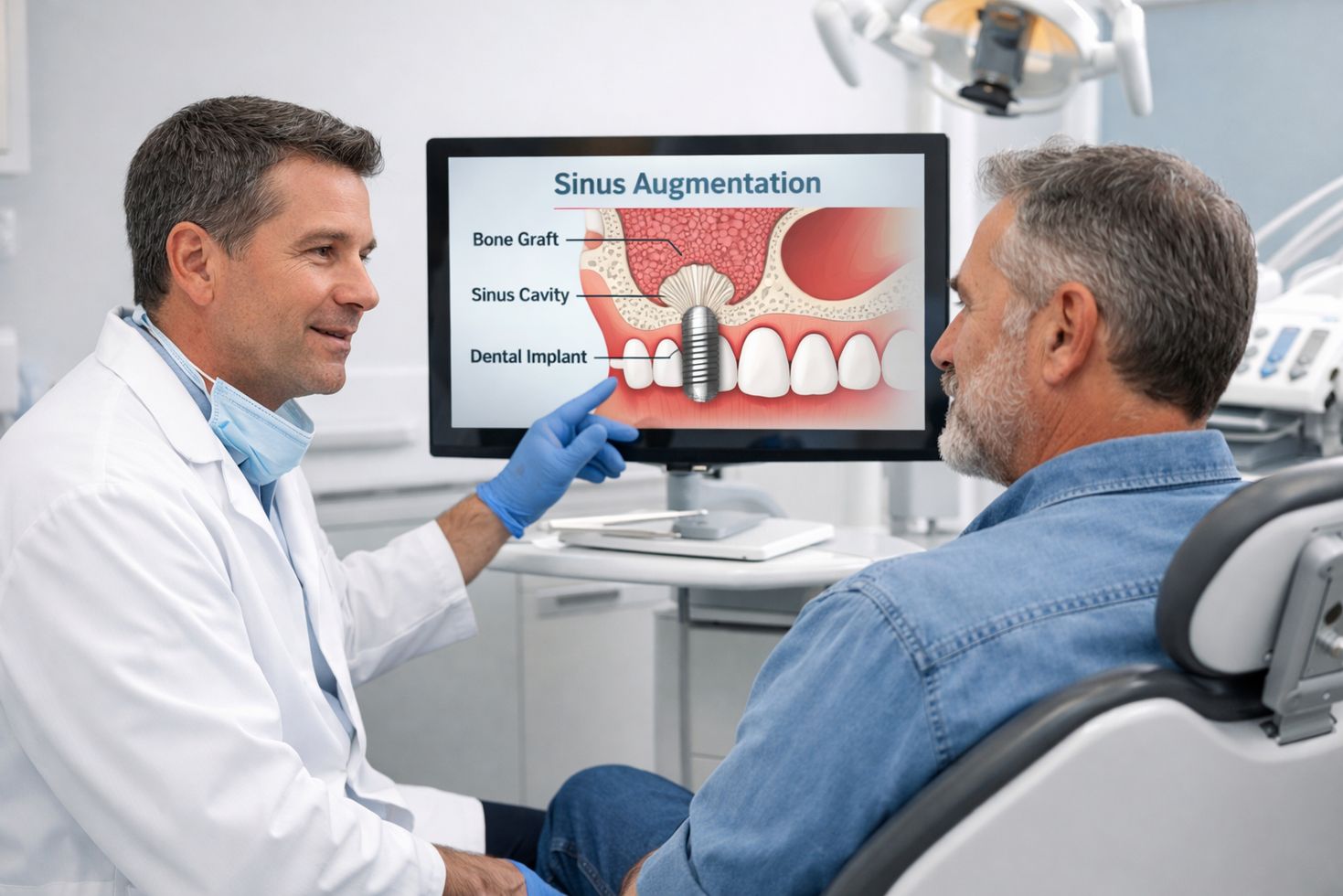
Sinus augmentation surgery is a procedure that adds bone beneath the sinus in the upper jaw when there is not enough natural bone height to support future dental implants. Many people hear about it during implant planning because the upper back jaw can change after tooth loss. Over time, bone in that area may shrink, and the sinus may sit lower than expected, leaving limited space for secure implant placement.
If that sounds concerning, it helps to know that this is a well-known step in treatment planning and is recommended only when it may improve the foundation for long-term implant support. The goal is simple: create enough bone volume so implants have a better chance of being placed safely and successfully.
In this article, you will learn why sinus augmentation may be suggested, how it relates to missing upper teeth and bone loss, and what to expect as part of the decision-making process before implants.
What Is Sinus Augmentation Surgery?
Sinus augmentation surgery is a bone grafting procedure used in the upper jaw when there may not be enough existing bone height for dental implant planning. You may also hear it called a maxillary sinus lift. In simple terms, the procedure involves gently elevating the sinus membrane to create space where graft material can be placed, with the aim of improving bone volume in selected cases. It is different from implant placement itself, and not every implant patient needs this type of treatment.
Understanding the upper jaw and sinus space
The maxillary sinus is an air-filled space located above the upper premolars and molars. In some people, the amount of bone between the top of the jaw and the floor of the sinus is limited. That available bone height matters because it can affect how a clinician evaluates support for future implants. This is one reason careful diagnosis is important, especially when discussing restorative plans such as implant supported partial denture treatment options.
The goal of the procedure
The goal of sinus augmentation is to create a more suitable foundation for future implant planning when anatomy allows. Whether it is recommended depends on imaging, bone measurements, sinus anatomy, and a clinical evaluation of the individual case. A periodontist or implant clinician uses that information to determine whether a sinus lift may be appropriate, whether another approach makes more sense, or whether no grafting is needed at all.
When a Sinus Lift Implant Plan May Be Recommended
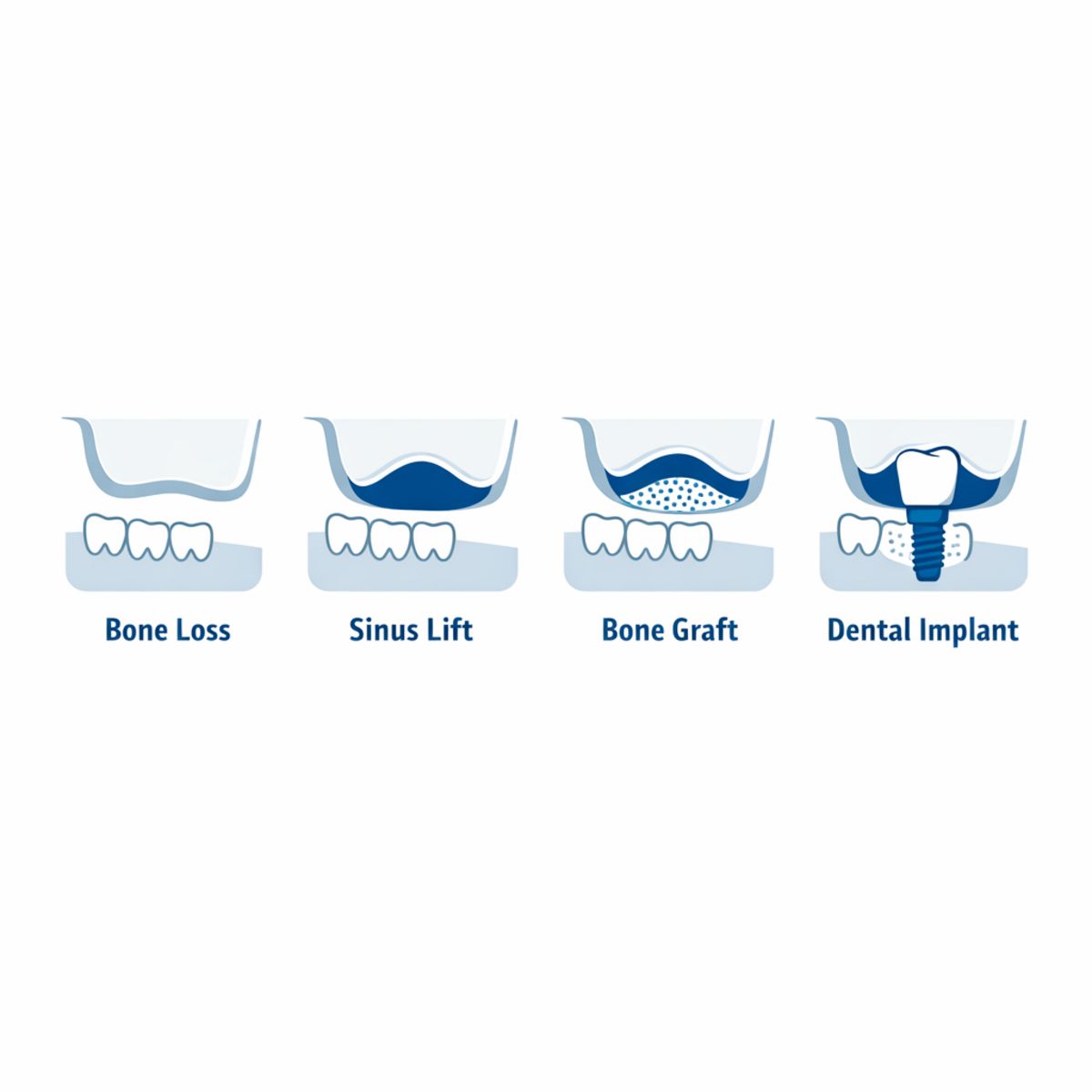
A sinus lift implant plan may be considered when there is limited bone height in the upper back jaw and a clinician is evaluating whether more support may help with implant placement. This can happen for several reasons, including bone loss after a tooth has been missing for some time, natural sinus anatomy that leaves less available bone, or long-term denture wear that affects the upper jaw. These factors do not confirm candidacy on their own, but they are common reasons a more detailed evaluation may be recommended.
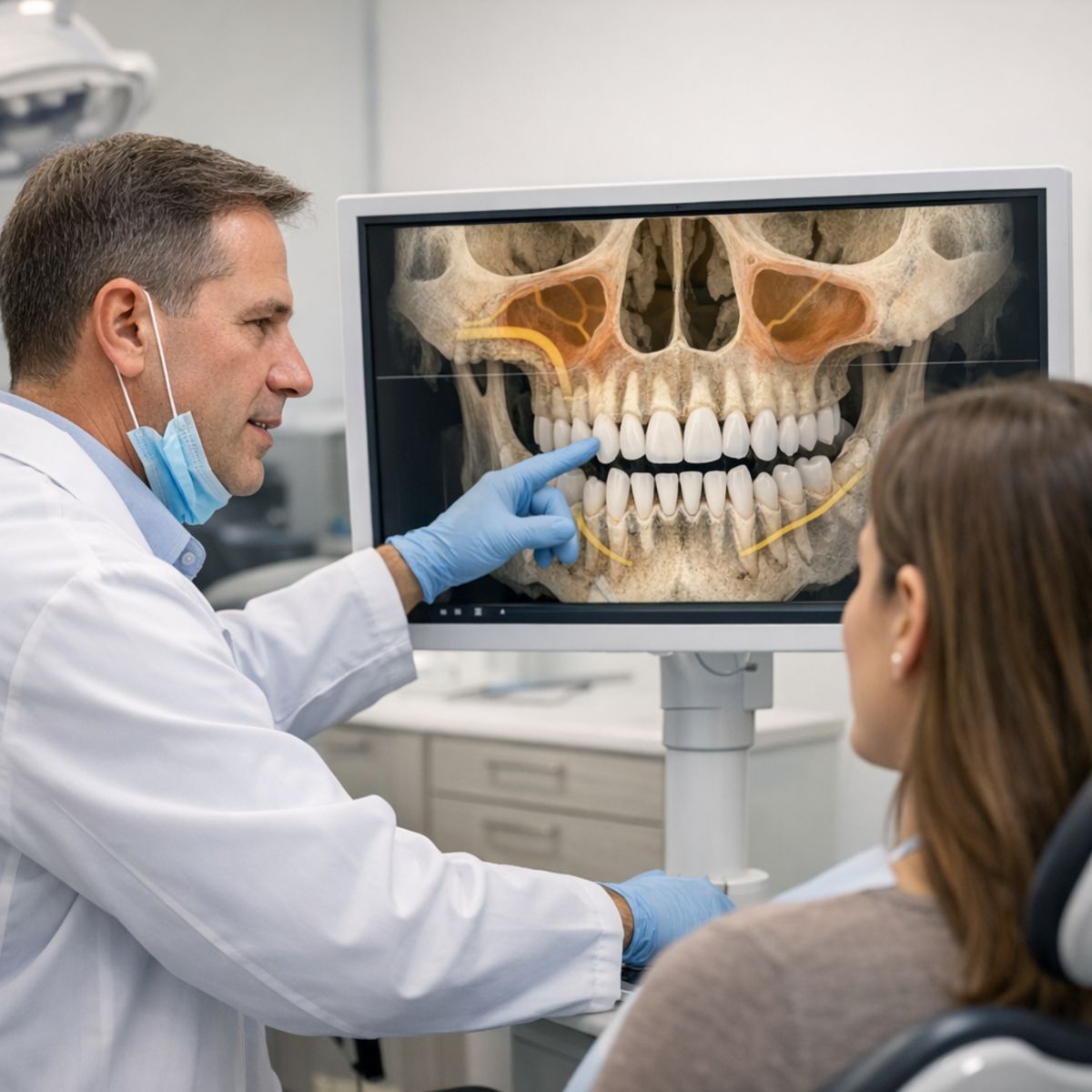
Because bone volume plays an important role in implant stability, imaging such as CBCT is often used to assess the area and plan treatment around the individual anatomy. In appropriate cases, the potential benefit of a sinus lift is creating more bone height to support future implant placement. That may broaden treatment possibilities for some patients, but planning is always personalized rather than one-size-fits-all.
Common reasons it may be considered
Common factors include reduced bone after tooth loss, a sinus position that limits available upper jaw bone, and restorative goals that call for stronger support in the area. A periodontist or implant dentist reviews these details together with overall oral health before recommending next steps.
How it may support future implant planning
Timing can vary depending on the case. Sometimes grafting is completed first and the implant is placed later after healing. In selected situations, grafting and implant placement may be done together. If you want broader context on dental implant options process and cost, it can help explain how bone support fits into overall treatment planning and why expectations should be individualized.
How Sinus Augmentation Surgery Works Step by Step
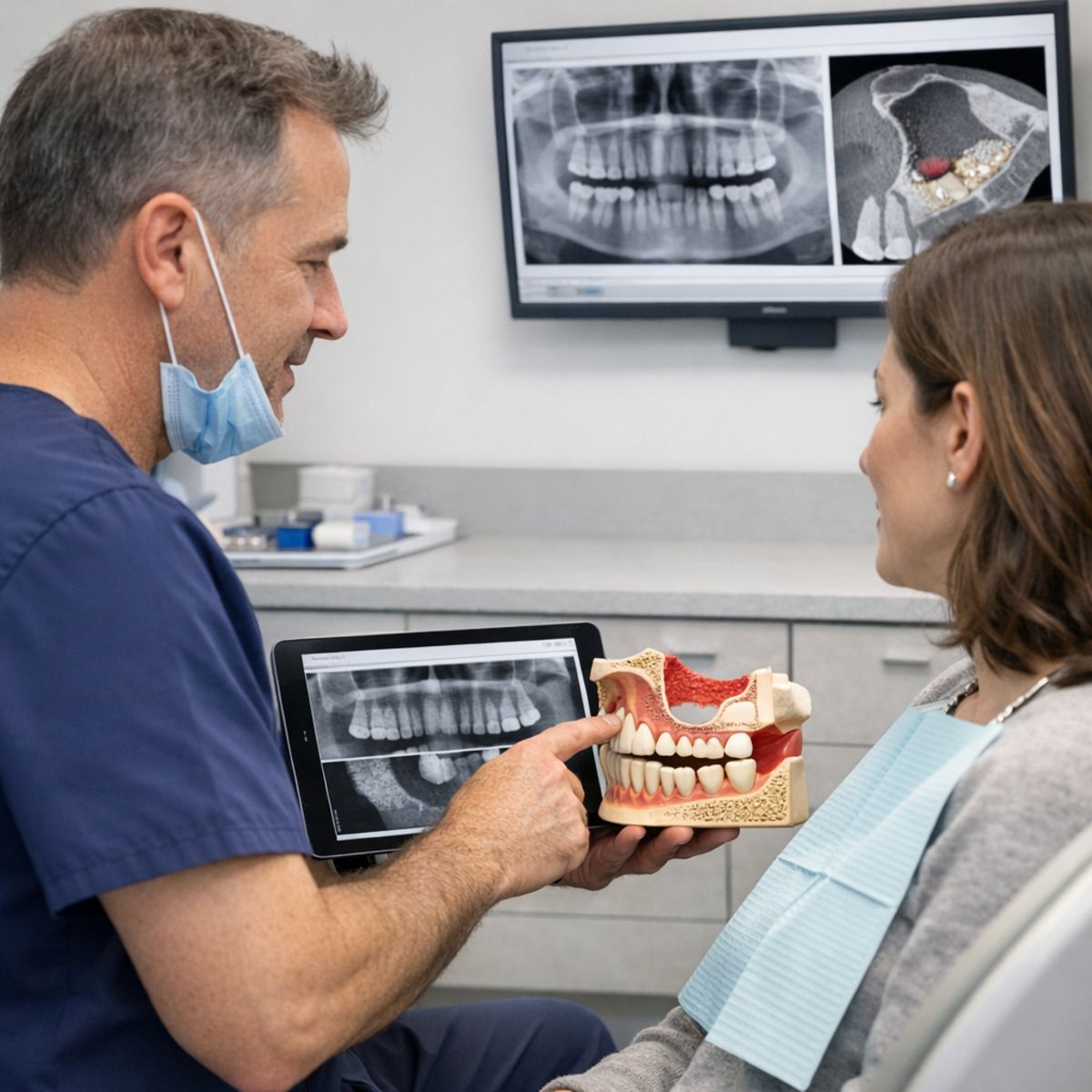
Sinus augmentation surgery is typically planned as a step-by-step process designed to improve bone support in the upper jaw before dental implant treatment. While the exact technique can vary from one patient to another, the overall sequence usually includes evaluation, treatment planning, graft placement, and follow-up. Some clinicians may also discuss specific materials or approaches, including options sometimes described as an augma sinus lift, depending on the case and clinical goals.
1. Evaluation and imaging
The process usually begins with a clinical exam and detailed imaging. Your provider reviews your oral health, the area where an implant may be placed, and the amount of available bone beneath the sinus. In many cases, 3D imaging helps show the sinus anatomy more clearly and supports careful measurements. This step helps determine whether sinus augmentation may be appropriate and which graft approach may best fit your needs.
2. The grafting procedure
Once planning is complete, the procedure is performed with a focus on comfort and precision. The clinician creates access to the upper jaw in the treatment area, then gently elevates the sinus membrane to make room for graft material. That material is placed in the prepared space to help build support where bone volume is limited. After the graft is positioned, the area is closed so healing can begin. Your provider may also explain why a certain material or technique was selected for your situation.
3. Healing and next-step planning
After surgery, follow-up visits are used to monitor recovery and assess how the site is healing. In some cases, additional imaging may be recommended to evaluate the grafted area before decisions are made about implant placement. The timing of the next step depends on the individual case, the treatment goals, and how healing progresses. This careful review helps your care team decide when moving forward with implant planning is appropriate.
Sinus Augmentation vs Other Tooth Replacement Planning Options
Sinus augmentation is not a replacement option by itself. It is a planning step that may be recommended when there is not enough bone height in the upper back jaw to support certain dental implants. In other cases, a patient may qualify for implant placement without this type of grafting, or may be better served by a different restorative path altogether. The decision depends on anatomy, oral health, and the goals for function, comfort, and long-term maintenance.
Implant planning with or without grafting
When bone volume is limited near the sinus, augmentation can create the foundation needed for implant placement. However, that is only one possible route. Some patients have enough existing bone for implants without additional grafting, while others may be candidates for different implant strategies based on spacing, bite forces, and overall treatment goals. A specialist evaluates imaging, bone quality, gum health, and medical factors before recommending the most appropriate plan. In some situations, implant supported partial denture treatment options may also be part of the discussion.
Non-implant alternatives
Implants are not the only way to replace missing teeth. Depending on the number and location of missing teeth, a bridge or partial denture may be considered. For example, some patients may want to review cantilever bridge pros and alternatives as part of a broader comparison. Each option has different considerations related to support, cleaning, durability, and how surrounding teeth are affected. The right choice is usually the one that best fits the patient’s anatomy, oral condition, preferences, and restorative priorities after a thorough consultation.
Risks, Recovery Factors, and Sinus Augmentation Complications

It is reasonable to ask about sinus augmentation complications before treatment. As with many surgical procedures, there can be risks, but careful planning, clear post-op guidance, and follow-up care are all important parts of reducing problems and supporting healing. A measured discussion can help patients understand what may happen without assuming that every recovery will be difficult.
Possible concerns may include swelling, minor bleeding, infection, graft-related issues, sinus membrane perforation, pressure, congestion, or delayed healing. Not every patient experiences the same recovery pattern, and sinus lift complications can vary based on anatomy, overall health, the extent of treatment, and how closely post-op instructions are followed. For many people, temporary swelling or a feeling of pressure may improve as healing progresses, while others may need closer monitoring from their provider.
Common concerns patients ask about
Patients often ask whether congestion, tenderness, or a sense of fullness is expected. In general, some short-term discomfort can happen after surgery, but recovery experiences vary from person to person. That is one reason follow-up visits and attention to home-care instructions matter. Staying consistent with routine oral care and understanding why regular dental checkups matter may also support better communication and earlier evaluation of concerns.
When to contact your dental team
If symptoms seem unusual, worsen instead of improving, or do not match the instructions you were given, it is wise to contact your dental team for professional evaluation. The same applies if you have questions about bleeding, swelling, healing progress, or anything that feels off during recovery. Prompt communication can help your provider determine whether healing is progressing normally or whether additional care is needed.
What Affects the Cost of Sinus Augmentation?
The cost of sinus augmentation can vary based on the details of your treatment plan, so accurate pricing usually requires a personalized exam. Rather than relying on a general estimate, your provider will typically review your oral health, imaging, and overall treatment goals before outlining costs.
Key factors that influence pricing
Common factors may include the complexity of the case, whether advanced imaging is needed, the type and amount of graft material used, sedation options if offered, and whether dental implants are placed at the same time or in a separate stage. If affordability is part of your research, it may also help to review financing options for dental implants. Because every case is different, the most reliable way to understand cost is through an individual consultation and treatment review.
Frequently Asked Questions About Sinus Augmentation Surgery
Is sinus augmentation surgery always needed before upper dental implants?
No. Some patients may need sinus augmentation before upper dental implants, while others may have enough existing bone to move forward without it. The decision depends on bone height, sinus anatomy, and the goals of treatment. Imaging and an in-person evaluation are usually needed to determine the best approach.
How long after a sinus lift can implants be placed?
Timing can vary from case to case. In some situations, implants may be placed at the same visit, while in others a healing period may be recommended first. The timeline depends on anatomy, the grafting method used, and how the area heals over time.
What are the most common sinus lift complications?
Possible complications can include swelling, minor bleeding, infection, sinus membrane irritation or tearing, and delayed healing. These issues do not happen in every case, but any unusual pain, drainage, fever, or prolonged symptoms should be evaluated by a qualified dental professional promptly.
Is a maxillary sinus lift painful?
Comfort measures are typically used during treatment to help reduce discomfort. After the procedure, many patients describe soreness, pressure, or swelling rather than severe pain, but experiences can differ. Your provider can explain what to expect and how discomfort is usually managed during recovery.
Can smokers or patients with gum disease still be candidates?
Possibly, but candidacy depends on individual risk factors and overall oral health. Smoking and active gum disease may affect healing and treatment planning, so a specialist will usually assess these concerns carefully before recommending surgery or implants.
What is augma sinus lift and is it right for everyone?
This term may refer to a specific grafting material or technique discussed by some clinicians during sinus augmentation planning. It is not automatically the right choice for every patient. Suitability depends on the clinical situation, available bone, treatment goals, and the provider’s professional judgment after evaluation.
When to Schedule a Consultation
A personalized evaluation matters
If you are missing upper teeth or have been told you may have bone loss, an in-person evaluation can help clarify your options. A clinical exam and imaging allow the team to determine whether sinus augmentation may be appropriate and how treatment can be planned around your needs.
If you are ready to discuss next steps, schedule an appointment for a personalized consultation.
Key Takeaways on Sinus Augmentation Surgery
A clearer path to implant planning
Sinus augmentation surgery is a procedure that may be recommended when there is not enough bone in the upper jaw to support dental implants. As discussed throughout this article, the goal is to create a more stable foundation while using careful, imaging-based planning to guide treatment decisions. The exact approach depends on your anatomy, overall oral health, and the condition of the sinus area.
It is also important to remember that risks, healing time, and outcomes can vary from person to person. A specialist evaluation can help clarify whether this procedure is appropriate, what the timeline may look like, and how it fits into a broader implant plan. With clear guidance and realistic expectations, patients can move forward with greater confidence and understanding.




Recent Comments