
Cosmetic Dental Procedures: Options, Benefits, and What to Expect
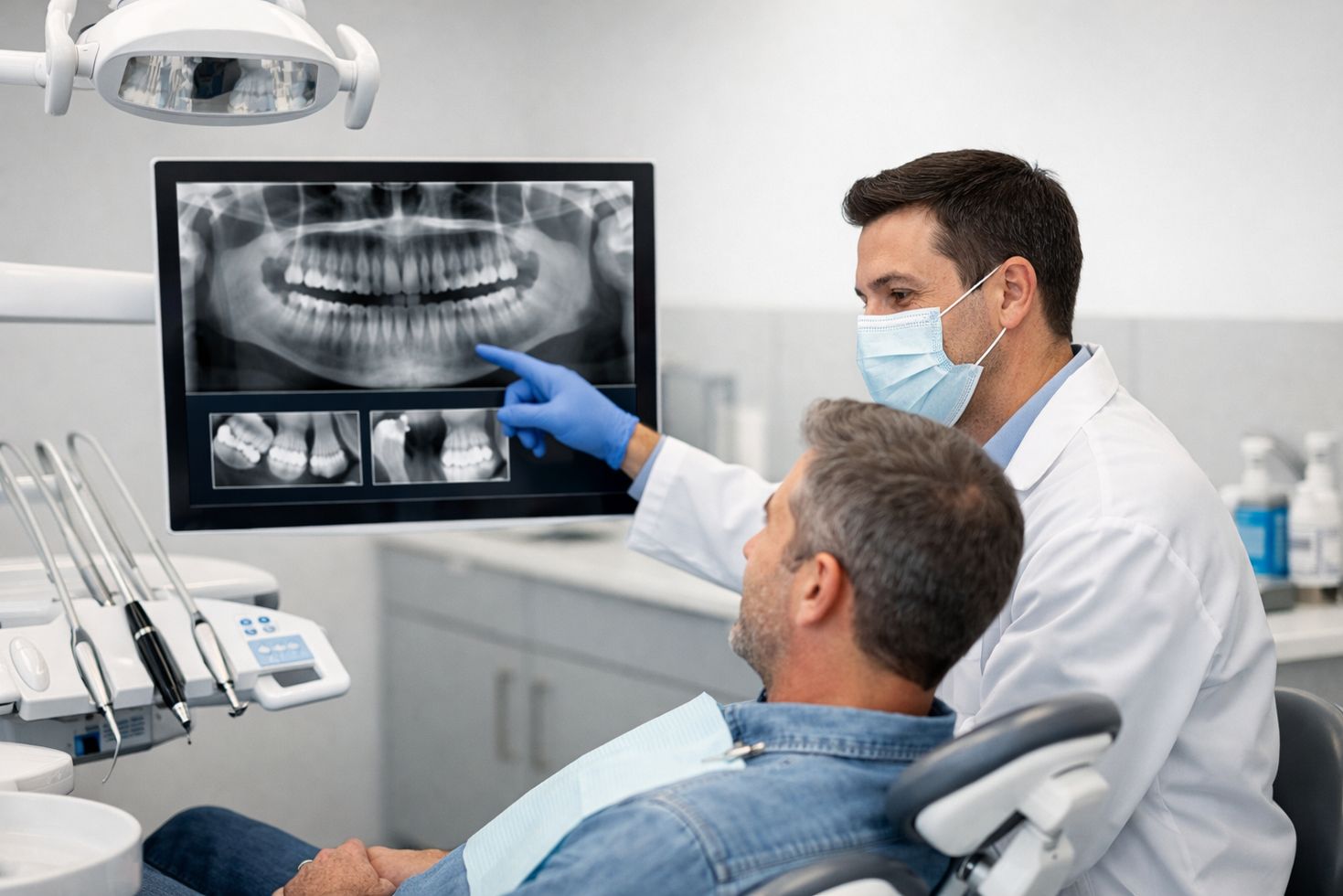
Cosmetic dental procedures are treatments designed to improve the appearance of your smile, and in many cases they can also support comfort, balance, and everyday function. This may include teeth whitening, veneers, bonding, crowns, gum contouring, and implant-related restorations, depending on what you want to change and what your mouth needs to stay healthy.
Not every smile makeover follows the same path. Recommendations often depend on your oral health, gum condition, bite, existing dental work, and overall aesthetic goals. For some people, a small cosmetic dentistry update is enough. For others, the best result comes from combining appearance-focused treatment with restorative care.
In the sections ahead, you’ll get a balanced overview of common options, what each procedure is meant to address, and why treatment should always be individualized rather than one-size-fits-all.
What Cosmetic Dentistry Includes
Cosmetic dentistry covers a range of dental procedures designed to improve the look of teeth and gums, though some treatments also help restore strength or function. In many cases, a dentist will first check for decay, gum disease, or bite issues before recommending cosmetic work, because healthy foundations usually support better long-term results.
Surface enhancements
Professional teeth whitening is used to lighten stains and discoloration that do not respond well to over-the-counter products. Bonding uses a tooth-colored material to improve small chips, minor gaps, or slight shape concerns. These options are often considered more appearance-focused and may be suitable when the tooth structure is otherwise healthy.
Restorative-aesthetic treatments
Veneers are thin coverings placed on the front of teeth to improve color, shape, or symmetry. Crown teeth, often called dental crowns, cover more of the tooth and may be recommended when a tooth needs both cosmetic improvement and added protection. Implant restorations replace missing teeth with a crown attached to an implant, helping support appearance while also restoring chewing function. These treatments can be more comprehensive than surface-level changes.
Soft tissue cosmetic procedures
Gum contouring reshapes uneven gum tissue to create a more balanced smile line. Because gum symmetry affects how teeth look, soft tissue procedures can make a noticeable aesthetic difference. A periodontal evaluation may be important first, especially if there are signs of inflammation or gum disease.
Potential Benefits and Realistic Expectations
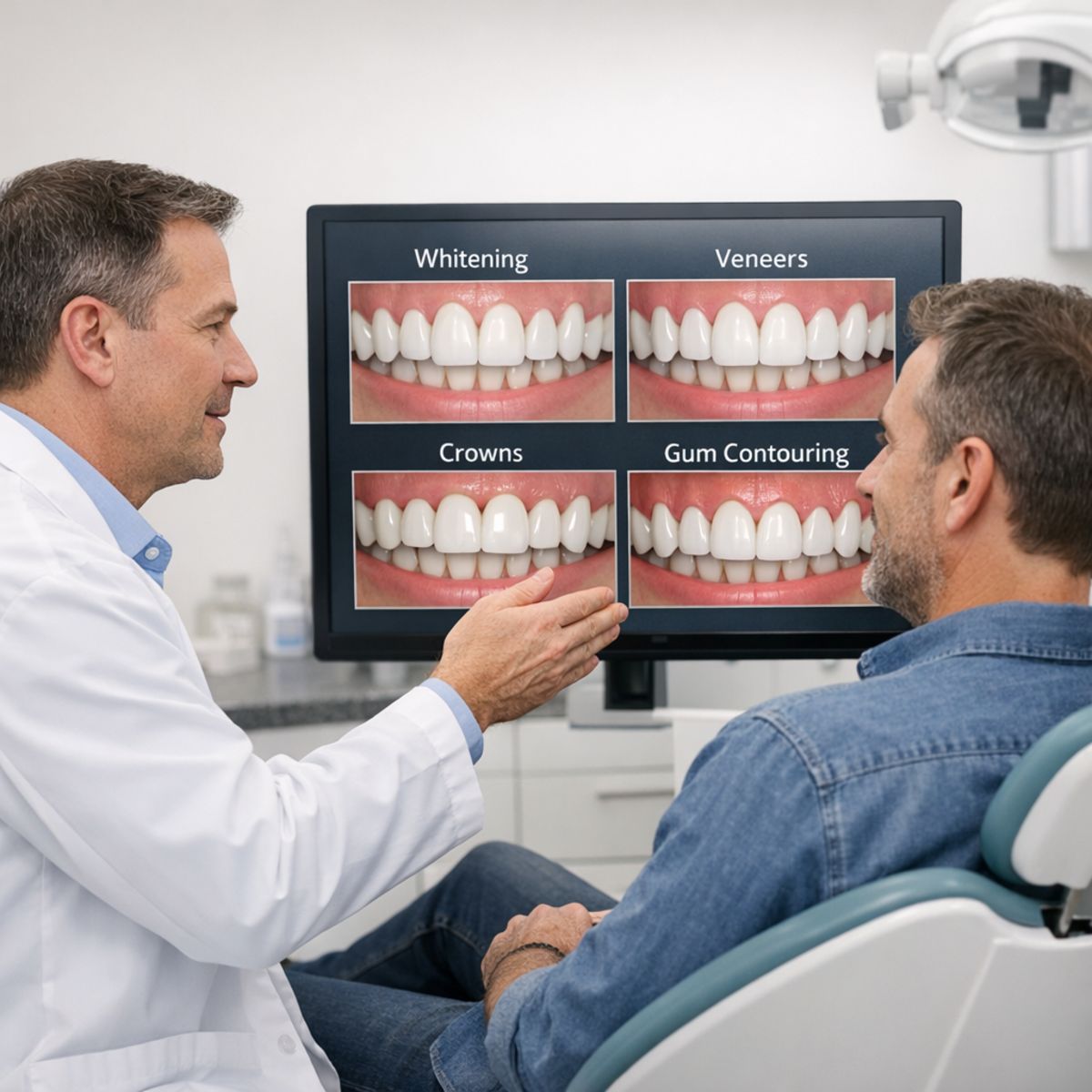
People often explore cosmetic smile treatment to address concerns such as discoloration, uneven edges, worn teeth, spacing, or excess gum display. Depending on the procedure, treatment may improve the overall balance of a smile and help teeth look more even, brighter, or better proportioned. For some patients, these changes can also support how the teeth come together or how comfortably they function in daily use.
At the same time, realistic expectations are important. Results vary from person to person and depend on factors such as anatomy, existing oral health, enamel condition, bite, and the type of treatment selected. An individualized evaluation helps determine what may be appropriate, what limitations may exist, and whether cosmetic care alone or a combination of cosmetic and restorative treatment is the better fit.

Aesthetic and functional overlap
Cosmetic goals sometimes overlap with functional needs. For example, treatment that improves the appearance of chipped or worn teeth may also help restore tooth shape, support bite balance, or improve chewing efficiency when restorative work is involved. If missing teeth or significant wear are part of the concern, the plan may focus on both appearance and long-term comfort.
Why expectations matter
No single procedure fits everyone. During a consultation, patients can discuss their priorities, timeline, maintenance needs, and any treatment limitations. That conversation helps create a plan that is aligned with personal goals while staying grounded in what is clinically appropriate and realistically achievable.
Comparing Common Cosmetic Dental Procedures
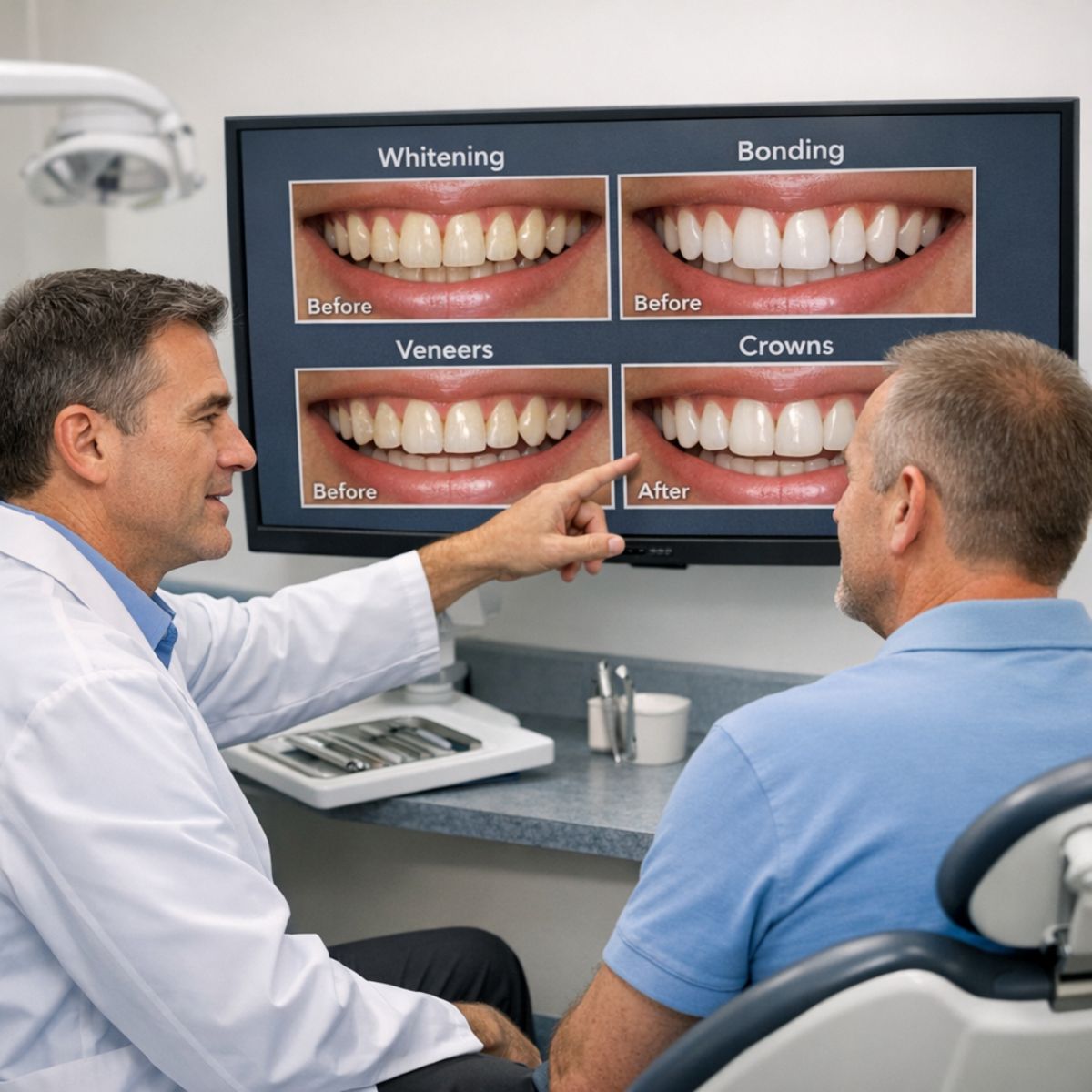
When comparing cosmetic dental treatments, it helps to look at a few practical factors: the concern being treated, how much tooth preparation may be involved, how long results typically last, and what kind of upkeep is needed. There is rarely one universally best option. The right choice depends on your goals, oral health, and what your dentist sees during an exam, including what to expect at a dental checkup.
Whitening vs over-the-counter options
Professional teeth whitening is typically more customized than over-the-counter strips or trays. A teeth whitening dentist can evaluate your current tooth shade, review any history of sensitivity, and consider whether crowns, fillings, or other restorations are present, since those materials do not whiten the same way natural enamel does. Over-the-counter products may be convenient for mild staining, but they are less tailored in strength and fit. Professional treatment may be a better fit for some patients who want closer supervision or more predictable shade planning, though not everyone needs the same approach.
Bonding, veneers, and crowns
Bonding is often considered for small chips, minor gaps, or subtle shape changes. It is usually more conservative, but it may stain or wear differently over time. Veneers are commonly used when patients want broader cosmetic changes to the front teeth, such as color, contour, or symmetry improvements. They can offer a more dramatic smile redesign, though some enamel preparation may be involved depending on the case. Crown teeth are generally discussed when a tooth needs more complete coverage because of larger structural concerns, significant wear, or existing damage. While crowns can improve appearance, they are often chosen when strength and protection are also part of the goal.
When missing teeth change the plan
If the concern includes one or more missing teeth, the conversation may shift beyond purely cosmetic treatment. In those situations, the focus often includes function, bite support, and long-term stability as well as smile appearance. That can lead to discussions about restorative options, including implant-supported solutions, rather than whitening, bonding, or veneers alone. For many decision-stage readers, the key is understanding that cosmetic and restorative goals sometimes overlap, and the best plan is usually based on both appearance and oral health needs.
How to Choose the Right Cosmetic Dental Procedure
Choosing the right cosmetic dentistry treatment often becomes easier when you break the decision into a few clear steps. Rather than starting with a specific procedure, begin with what you want to improve most and then review which options fit your oral health, goals, timeline, and comfort level. An in-person evaluation is still the best way to confirm what is appropriate for your smile.
Step 1: Define your top priority
Start by identifying your main concern. For some people, it is tooth color. For others, it may be spacing, shape, worn edges, symmetry, missing teeth, or how much gum shows when they smile. If you can name the one or two changes that matter most, your dentist can help narrow the options more efficiently and explain what may deliver the most natural-looking improvement.
Step 2: Start with oral health
Before selecting any cosmetic dental procedure, it is important to confirm the health of your gums, teeth, bite, and existing restorations. Concerns like decay, inflammation, grinding, or unstable dental work can affect which treatments make sense and whether care should be staged first. This is why evaluation matters more than self-diagnosis when comparing cosmetic dentistry options.
Step 3: Compare conservative and comprehensive options
Ask your dentist to walk you through both conservative and more comprehensive approaches. Whitening or bonding may address certain concerns with less change to the teeth, while veneers, crowns, or implant-supported solutions may be considered when the goals are broader or the underlying condition is more complex. The right choice depends on the condition of your teeth, the result you want, and the level of maintenance you are comfortable with.
Step 4: Ask the right consultation questions
During your consultation, ask about materials, expected upkeep, possible sensitivity, and the tradeoffs of each option. It is also helpful to discuss how long treatment may take, whether it may be completed in phases, and what budget range to expect without assuming fixed pricing. If gum health support is part of the conversation, you can also review supportive ozone therapy treatment information as part of understanding the full care plan.
A thoughtful decision usually comes from balancing appearance goals with oral health, durability, maintenance, and cost. A good consultation should feel informative and collaborative, helping you understand your options without pressure.

What Affects the Cost of Cosmetic Dentistry
The cost of cosmetic dentistry can vary based on several clinical and treatment-planning factors. In many cases, pricing depends on the type of procedure being considered, how many teeth are involved, the materials selected, and the overall complexity of the case. Diagnostics such as imaging, bite evaluation, and smile assessment may also affect the treatment plan and, in turn, the total cost.
If a patient needs preparatory care before cosmetic treatment, that may change the scope as well. For example, periodontal therapy, restorative work, or treatment to stabilize oral health may be recommended first. When missing teeth are part of the concern, options that combine cosmetic and restorative goals can involve different planning steps. In those situations, learning more about dental implant options process and cost may help provide useful background.
Main cost variables
Common variables may include the treatment type, the number of teeth being treated, the materials used, whether advanced imaging is needed, and whether preparatory periodontal or restorative care is necessary. Replacing missing teeth or considering implant supported partial denture options may also affect the overall plan.
Why consultation matters for pricing
A consultation allows the dental team to evaluate candidacy, identify any underlying issues, and determine the right sequence of care. Because every smile starts from a different place, specific pricing depends on an in-person examination and a personalized treatment recommendation rather than a general online estimate.
Before and After Cosmetic Treatment: Preparation and Maintenance
Before cosmetic dental work, preparation often starts with a close look at your overall oral health. Depending on the procedure and your individual condition, that may include a cleaning, a periodontal evaluation, imaging, or treating active dental concerns before cosmetic care begins. This planning stage helps set realistic expectations and supports a more predictable result.
Preparing for treatment
Not every patient needs the same prep, but many benefit from an exam and a discussion of timing, goals, and current dental health. If there is gum inflammation, decay, or another issue present, your dentist may recommend addressing that first before moving forward with cosmetic treatment.
Maintaining your results
Maintaining cosmetic dental results usually comes down to consistent home hygiene, regular follow-up visits, and being mindful of habits that can affect appearance or durability. Stain management, routine professional care, and protecting restorations from grinding may all be relevant in some cases. Aftercare varies by procedure, so it is always best to follow your treating dentist’s instructions for care that fits your specific treatment.

Frequently Asked Questions
What are the most common cosmetic dental procedures?
Common cosmetic dental procedures often include teeth whitening, dental bonding, veneers, and crowns. Some patients may also discuss gum contouring for smile balance, and when missing teeth are involved, implant-related restorations may be part of a broader treatment plan.
How do I know which cosmetic dentistry option is right for me?
The right option depends on your goals, oral health, bite, existing dental work, and budget. A consultation can help determine which cosmetic dentistry approach is appropriate for your situation and whether any underlying concerns should be addressed first.
Is professional teeth whitening better than over-the-counter whitening?
Professional teeth whitening may offer more customization and supervision than over-the-counter products. However, suitability varies from person to person, especially if you have sensitivity, fillings, crowns, or discoloration that may not respond evenly to whitening.
Are cosmetic dental procedures painful?
Comfort levels can vary based on the procedure and the individual. Many cosmetic treatments are designed with patient comfort in mind, but experiences differ, so it is best to discuss what to expect during a consultation.
How long do cosmetic dental treatments last?
Longevity depends on the type of treatment, the materials used, oral habits, and how well the results are maintained. Regular dental visits, good home care, and avoiding habits like grinding or biting hard objects may help support longer-lasting results.
Can I get cosmetic treatment if I have gum problems or missing teeth?
In many cases, cosmetic treatment is still possible, but gum concerns or missing teeth may need to be evaluated first. An individualized treatment plan can help determine the safest and most effective sequence of care for both appearance and oral health.
When to Schedule a Cosmetic Dentistry Consultation
If you are noticing discoloration, worn edges, uneven gumlines, damaged teeth, or missing teeth that affect your smile, scheduling a consultation may be a helpful next step. It can also make sense if you are still comparing options and want a clearer understanding of what may be appropriate for your goals.
What a consultation can help clarify
A consultation can help clarify candidacy, possible treatment options, the order in which care may be recommended, and what maintenance may be involved over time. It is also a chance to discuss personalized cost considerations and ask questions so you can make an informed decision without feeling rushed.
Choosing Cosmetic Treatment with Confidence
Cosmetic dental procedures can range from more conservative options like whitening and bonding to treatments such as crowns, gum contouring, and implant-related restorations. The right choice is not the same for everyone. It depends on your oral health, your priorities, and what a professional evaluation shows about function, appearance, and long-term suitability.
The most helpful next step is to understand your options clearly, ask questions, and weigh benefits, limitations, and expected outcomes with a qualified dental professional. That kind of informed approach can make cosmetic treatment feel more straightforward and more reassuring.
The key takeaway
Confidence starts with good information and personalized guidance. With the right assessment and a treatment plan tailored to your goals, cosmetic dental procedures can be approached with clarity, realism, and peace of mind.




Recent Comments