

Bad Tooth: Signs, Causes, and When Extraction May Be Needed
A bad tooth is a common way people describe a tooth that hurts, feels sensitive, looks damaged, or simply does not seem normal. That can include pain when chewing, sensitivity to hot or cold, swelling around the gums, discoloration, or a chipped or broken area. While the phrase is informal, it can point to several different dental concerns, which is why a professional exam is the best way to understand what is happening.
Some teeth that seem badly damaged can still be restored with the right treatment, while others may need extraction if the problem is too advanced. The right option depends on the condition of the tooth, the surrounding gum and bone, and your overall oral health. A dentist can evaluate the symptoms, explain possible causes, and recommend the most appropriate next step without guessing based on symptoms alone.
People often say they have a bad tooth when they notice discomfort, visible damage, or signs that a tooth no longer feels the way it should. This article will walk through common symptoms, possible reasons a tooth may be in poor condition, treatment paths, and when extraction may be recommended.
Common Signs of a Bad Tooth
A bad tooth can show up in different ways, and symptoms do not always match how serious the problem may be. Some people notice obvious pain, while others first see a visible change, swelling, or a bad taste. Understanding these warning signs can help you know when it is time to schedule an exam. For a broader overview, see bad tooth signs causes and treatment options.
Pain, sensitivity, and pressure
- Persistent toothache that lingers or comes back repeatedly
- Sensitivity to hot or cold that feels sharp or lasts after the trigger is gone
- Pain when biting, chewing, or putting pressure on the tooth
- Tenderness that seems focused around one tooth cavity or damaged area
Visible changes in the tooth or gums
- Visible holes, pits, or dark spots in the tooth
- Cracks, chips, or rough edges that were not there before
- Tooth discoloration, including yellow, gray, or darker areas
- Swelling, gum tenderness, or irritation around the tooth
- A bad taste in the mouth or drainage, which can be among the signs of tooth infection
- Facial swelling or swelling near the tooth, which may also happen with an abscess
Even if the pain seems mild, these symptoms are worth having checked. Some serious dental problems may not cause severe pain at first, so an exam is the best way to understand what is affecting the tooth.

Why Early Evaluation Matters
If you have a bad tooth, getting it evaluated sooner may help clarify what is actually causing the problem. Pain, sensitivity, swelling, or discomfort can come from different issues, including decay, a crack or fracture, gum-related concerns, or signs of infection. A professional exam can help narrow down the cause and support better decision-making based on your specific condition.
Earlier care may also preserve more treatment options in some cases. When a problem is identified before it becomes more extensive, treatment may be more conservative than it would be later. That does not guarantee a specific outcome, but timely evaluation can give your dental provider more information to work with and may help with oral health planning.
Earlier care may preserve more treatment options
Delaying care can allow damage or infection to progress, which may limit available approaches over time. Even if symptoms seem manageable, uncertainty is often a good reason to schedule an assessment rather than wait and self-diagnose. If your provider identifies inflammation or infection-related concerns, they may also discuss supportive care such as ozone therapy treatment information and options, depending on your needs.

What Causes a Bad Tooth?

A bad tooth can develop for several reasons, and the cause often affects which treatment makes the most sense. In many cases, the problem starts small and worsens over time. Common categories include tooth decay, structural damage, and infection, but advanced gum disease, failed dental work, and heavy wear can also play a role. Not every damaged tooth needs to be removed, but a careful exam helps determine whether it can be repaired or whether a more involved treatment is needed.
Decay and cavities
One of the most common causes is tooth decay. Bacteria in plaque feed on sugars and produce acids that gradually weaken enamel. What may begin as a small tooth cavity can deepen into the dentin and eventually reach the inner pulp, where nerves and blood vessels are located. As decay progresses, people may notice sensitivity, pain when chewing, or lingering discomfort with hot or cold foods.
Cracks, chips, and structural damage
A chipped tooth or cracked tooth can also turn into a bad tooth, especially if the damage exposes sensitive inner layers or creates a place for bacteria to collect. Trauma may happen from biting something hard, sports injuries, grinding, or long-term wear. Not every chip is an emergency, but deeper cracks can make chewing painful and may spread if left untreated. The location and depth of the damage usually determine whether the tooth can be bonded, crowned, or needs more complex care.
Infection and abscess concerns
Untreated decay or a deep fracture can allow bacteria to reach the pulp or tissues around the root. This may lead to infection, swelling, or a tooth with abscess. In some cases, the infection forms near the root tip or along the gums and can cause throbbing pain, pressure, bad taste, or facial swelling. Because dental infections can worsen, an in-person evaluation is important to identify the source and recommend appropriate treatment.
Other possible contributors include advanced gum disease that loosens support around the tooth, old fillings or crowns that fail over time, and heavy wear that weakens the tooth structure. Understanding the likely cause helps your dentist plan the next steps and explain which treatment options may help save the tooth when possible.
Can a Bad Tooth Be Saved or Does It Need Extraction?
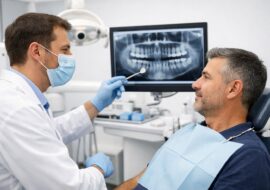
Whether a damaged tooth can be saved often depends on several clinical factors rather than one single symptom. A dentist or specialist may look at how much healthy tooth structure remains, how far decay or fracture extends, whether infection is limited or more advanced, and how much gum and bone support the tooth still has. Your overall oral health, bite forces, and findings from an exam and imaging also help guide the decision.
When restorative treatment may be considered
If enough of the tooth is still stable and restorable, treatment may focus on preserving it. Depending on the situation, that could include a filling, crown, or other tooth restorative care designed to protect remaining structure and improve function. In some cases, if infection or damage is present but manageable, treatment may still be considered if the tooth has a reasonable long-term outlook.
When extraction may be recommended
Extraction may be recommended when a tooth is severely broken down, deeply infected, very loose, or not predictably restorable. This can happen when decay extends too far below the gumline, a fracture affects critical parts of the tooth, or bone support has been significantly reduced. In those cases, removal may be discussed as the more practical option for comfort, health, or future treatment planning. If you want to learn more about the process, read dental teeth removal and what to expect.
Because every case is different, the most appropriate path usually comes after a professional exam and imaging review. A careful evaluation can help clarify whether saving the tooth appears reasonable or whether extraction is more likely to be advised.

What to Do If You Think You Have a Bad Tooth
If you think you may have a bad tooth, the safest approach is to take simple protective steps and arrange a dental evaluation as soon as possible. The goal is not to diagnose the problem at home, but to avoid making it worse while you wait to be seen.
Safe next steps before your appointment
- Schedule a dental appointment promptly, especially if the discomfort is persistent, getting worse, or interfering with eating or sleeping.
- Try not to chew on the affected side. This can help reduce irritation and may prevent additional damage if the tooth is cracked, loose, or very sensitive.
- Keep up with gentle oral hygiene. Brush carefully, floss lightly if comfortable, and avoid very hot or very cold foods and drinks if temperature sensitivity is present.
- Pay attention to warning signs that need urgent dental attention, such as swelling, drainage, fever, or pain that is rapidly worsening.
- Do not place aspirin directly on the gums, and do not try to pull the tooth yourself. These steps can injure the surrounding tissue and delay proper care.
If Extraction Is Needed: What Happens Next
If a tooth is found to be non-restorable, the next step is a careful review of your condition, including exam findings, imaging, and a treatment plan tailored to your needs. The goal is to explain why removal may be recommended, what the procedure involves, and how comfort-focused care is approached throughout the visit.
After extraction, healing and follow-up needs can vary from person to person. Your periodontist may discuss how the area will be monitored and whether timing for any next step should be immediate or delayed based on your oral health, bone support, and overall goals.
Planning for replacement after removal
In many cases, replacing a missing tooth can help support function and long-term oral health. Depending on the situation, options may include a tooth bridge or implant-based care, including dental implant supported partial denture options. The right recommendation depends on the location of the tooth, surrounding structures, and your individual treatment plan.

What Affects the Cost of Treating a Bad Tooth?
The cost of treating a bad tooth depends on what is found during the exam and what type of care is needed. A simple issue may be managed differently than a tooth with infection, structural damage, or gum and bone involvement. Imaging, whether the tooth can be restored or needs extraction, and whether a replacement is planned can all affect the overall treatment plan. Insurance coverage and phased treatment planning may also influence out-of-pocket costs. For patients considering replacement after removal, it may also help to review financing options for dental implants in 2026.
Main factors that influence treatment cost
- The diagnosis and severity of the problem
- The complexity of the procedure needed
- X-rays or other imaging used to guide treatment
- Whether the tooth can be restored with additional care
- Whether extraction is necessary
- Whether replacement planning is part of care
Frequently Asked Questions About a Bad Tooth
Can a bad tooth heal on its own?
In most cases, no. Tooth decay, cracks, and infections typically do not go away without professional care. Even if symptoms ease for a time, the underlying problem may still be present and should be evaluated by a dentist.
How do I know if a bad tooth is infected?
Possible warning signs can include swelling, a bad taste in the mouth, drainage, tenderness, or pain that gets worse over time. These symptoms can have different causes, so only a dental exam can confirm whether infection is present.
Is a chipped tooth always an emergency?
Not always. Some small chips may be minor, but prompt evaluation is important if there is pain, sensitivity, bleeding, a sharp edge, or concern that the crack extends deeper into the tooth.
Does every bad tooth need to be extracted?
No. Some damaged teeth can be treated with fillings, crowns, root canal therapy, or other restorative care. Extraction may be recommended when the tooth is too damaged, too loose, or not predictable to save.
What happens if I wait too long to treat a bad tooth?
The issue may progress over time, which can lead to more discomfort and fewer simple treatment options. Early care can help a dentist assess the problem sooner and discuss appropriate next steps before it becomes more complex.
Can a missing tooth be replaced after extraction?
Often, yes. Depending on the situation, replacement options may include a bridge, a removable appliance, or an implant-supported restoration. A dentist can explain which options may be appropriate based on your oral health and goals.
When to Schedule a Professional Evaluation
If you have tooth pain, swelling, visible damage, or sensitivity that does not go away, it may be time to schedule a professional evaluation. A prompt exam can help identify what is happening and clarify your treatment options based on your specific needs.
Every situation is different, and the right next step depends on the condition of the tooth, your symptoms, and your overall oral health. A dentist can provide individualized recommendations and a treatment plan that fits your circumstances.
Take the next step
If you are concerned about a bad tooth, request an appointment to get clear answers and professional guidance.
Key Takeaways About a Bad Tooth
A bad tooth can develop for several reasons, including decay, damage, or infection. The right treatment depends on what is affecting the tooth, how much healthy structure remains, and whether the surrounding tissues are involved. In some cases, a tooth may be restored with the appropriate dental care. In others, extraction may be the better option to protect your overall oral health and relieve ongoing problems.
Understanding the symptoms, possible causes, and treatment paths can help you know when it is time to seek care. Pain, swelling, sensitivity, visible damage, or changes around the tooth are all signs that should be evaluated by a dental professional.
A timely exam can clarify your options
The most helpful next step is a prompt, in-person evaluation. A dental exam can identify the source of the problem and determine whether the tooth can be saved or whether removal is the healthier choice. With a personalized plan, you can move forward with more clarity and confidence.




Recent Comments