

Dental Check Up: What to Expect and Why It Matters
A dental check up is an important part of protecting long-term oral health. It does more than provide a quick look at your teeth. During a dental check up, a clinician assesses your teeth, gums, bite, and existing dental work to help detect concerns early and recommend the most appropriate next steps. This may include routine preventive care for some patients, while others may need closer monitoring or more involved periodontal care based on what the exam shows.
For many people, regular visits offer reassurance as much as prevention. Exams can identify signs of decay, gum inflammation, changes in bone support, wear, or problems around fillings, crowns, and other restorations before they become more serious. Recommendations are not one-size-fits-all. They depend on your current oral health, symptoms, risk factors, and treatment history, which is why one patient may be advised to continue with standard cleanings while another may be guided toward deeper gum-focused care.
What this guide covers
In this guide, you will learn what typically happens during a check up, how often visits may be recommended, when deeper periodontal treatment may be advised, and how common cost and insurance questions fit into care planning.
What Is a Dental Check Up?
A dental check up is a preventive visit at a dental clinic designed to review your oral health and look for changes before they become bigger problems. In general, a routine appointment may include an exam by the dentist, a gum evaluation, and a dental cleaning, although the exact steps can vary from patient to patient.
During the visit, the dentist may check your teeth, gums, bite, and any existing restorations such as fillings, crowns, or bridges. A dental hygienist often plays an important role as well, helping gather information, reviewing home care habits, and performing cleaning or periodontal measurements when appropriate. The team may also ask about your medical history, current symptoms, medications, and any changes you have noticed since your last appointment.
Core parts of a typical visit
A typical check up often includes a visual exam, a review of the gums, and discussion of whether X-rays are appropriate based on your history and needs. If a dental cleaning is provided, it may focus on removing plaque and tartar from the teeth and along the gumline. The appointment usually ends with a summary of findings and practical next steps for home care or follow-up.
Why the gum evaluation matters
The gum evaluation matters because healthy gums help support the teeth. Not every patient receives the same type of cleaning, and periodontal findings can affect what kind of maintenance is recommended and how often visits should be scheduled. This is one reason a dental check up is more than just a polish—it is a broader review of your oral health status.

What Happens During a Dental Check Up
A dental check up often follows a clear sequence, although the exact steps may vary based on your oral health, symptoms, and periodontal history. In many cases, the visit begins with check-in and a brief review of your health history, medications, and any changes since your last appointment. This helps the dental team understand factors that may affect your teeth and gums.
Exam and screening
The exam usually includes a visual review of the teeth, gums, bite, and existing restorations such as fillings or crowns. The dentist or hygienist may also ask about sensitivity, bleeding, discomfort, or changes you have noticed at home. Depending on your history and current findings, X-rays may be recommended to check areas that are harder to see directly, including between teeth or below the gumline. If there are signs of gum inflammation or a prior history of periodontal concerns, additional gum measurements may be taken to assess pocket depths and tissue health more closely.
Cleaning and preventive care
When appropriate, the cleaning portion may include dental prophylaxis, which focuses on removing plaque and tartar from the teeth to support preventive care. This is often followed by polishing and flossing, along with practical home-care guidance tailored to your needs. The goal is to help reduce buildup and improve daily brushing and flossing habits. In some situations, however, a routine preventive cleaning may not be the most suitable option if the gums require more involved treatment.
Recommendations after the visit
At the end of the appointment, the team will usually explain the findings and discuss next steps. Depending on what is seen, that may mean returning for a routine recall visit, continuing with periodontal maintenance, or considering further evaluation and treatment such as a dental deep cleaning. These recommendations depend on your exam results, gum measurements, and overall history, so the final plan is based on what is most appropriate for your specific condition.

Routine Cleaning vs Periodontal Maintenance vs Deep Cleaning

These terms are often used interchangeably, but they do not mean the same thing. A routine dental cleaning, periodontal maintenance visit, and dental deep cleaning each serve a different purpose. The right recommendation depends on your gum health, pocket depths, inflammation, tartar buildup, bone support, and treatment history. In other words, one option is not automatically better than another; each fits a different clinical situation.
Routine dental cleaning
A routine dental cleaning is preventive care for people whose gums are generally healthy. It is typically focused on removing plaque and tartar from the teeth and helping maintain oral health before more serious problems develop. If there are no signs that active periodontal treatment is needed, this may be the appropriate type of dental cleaning.
Periodontal maintenance
Periodontal maintenance is different from a standard cleaning because it is intended for patients with a history of periodontal disease. It is part of ongoing supportive care after treatment or during close monitoring. These visits may include reassessment of the gums and areas that need more careful attention to help reduce the chance of disease returning or progressing.
Dental deep cleaning
A dental deep cleaning usually refers to scaling and root planing. This may be recommended when a clinician finds signs that cleaning below the gumline is clinically indicated. The goal is to address buildup and inflammation in deeper areas around the teeth. Whether someone needs this type of care depends on the exam findings, not just symptoms, so your dentist or hygienist will base the recommendation on your specific periodontal condition and treatment history.
Benefits of Regular Dental Check Ups
Regular dental check ups can offer practical advantages for people who want to stay on top of their oral health. These visits may help identify plaque buildup, gum inflammation, and changes around fillings, crowns, bridges, or other dental work before concerns become more involved. They also give your dental team a chance to compare what they see over time, which can be especially helpful when monitoring periodontal health and watching for subtle changes in the gums and supporting structures.
Prevention and monitoring
One of the main benefits of routine visits is ongoing monitoring. Instead of looking at your mouth as a single snapshot, a dentist or hygienist can track patterns from one appointment to the next. This may support earlier attention to areas that need extra care, whether that involves gum tenderness, hard-to-reach plaque, or changes near restorations. For patients with missing teeth or existing treatment, regular follow-up can also complement discussions about longer-term solutions such as implant supported partial denture options.
Personalized recommendations
Check ups are also a good time to receive personalized home-care guidance. Cleaning techniques, tools, and visit frequency can vary based on your gum health, dental history, and the type of restorations you have. A tailored recommendation from a dental hygienist or dentist may make daily care feel more manageable and more relevant to your needs. Over time, this individualized approach can help address concerns earlier and support informed decisions about your oral health without overpromising specific outcomes.
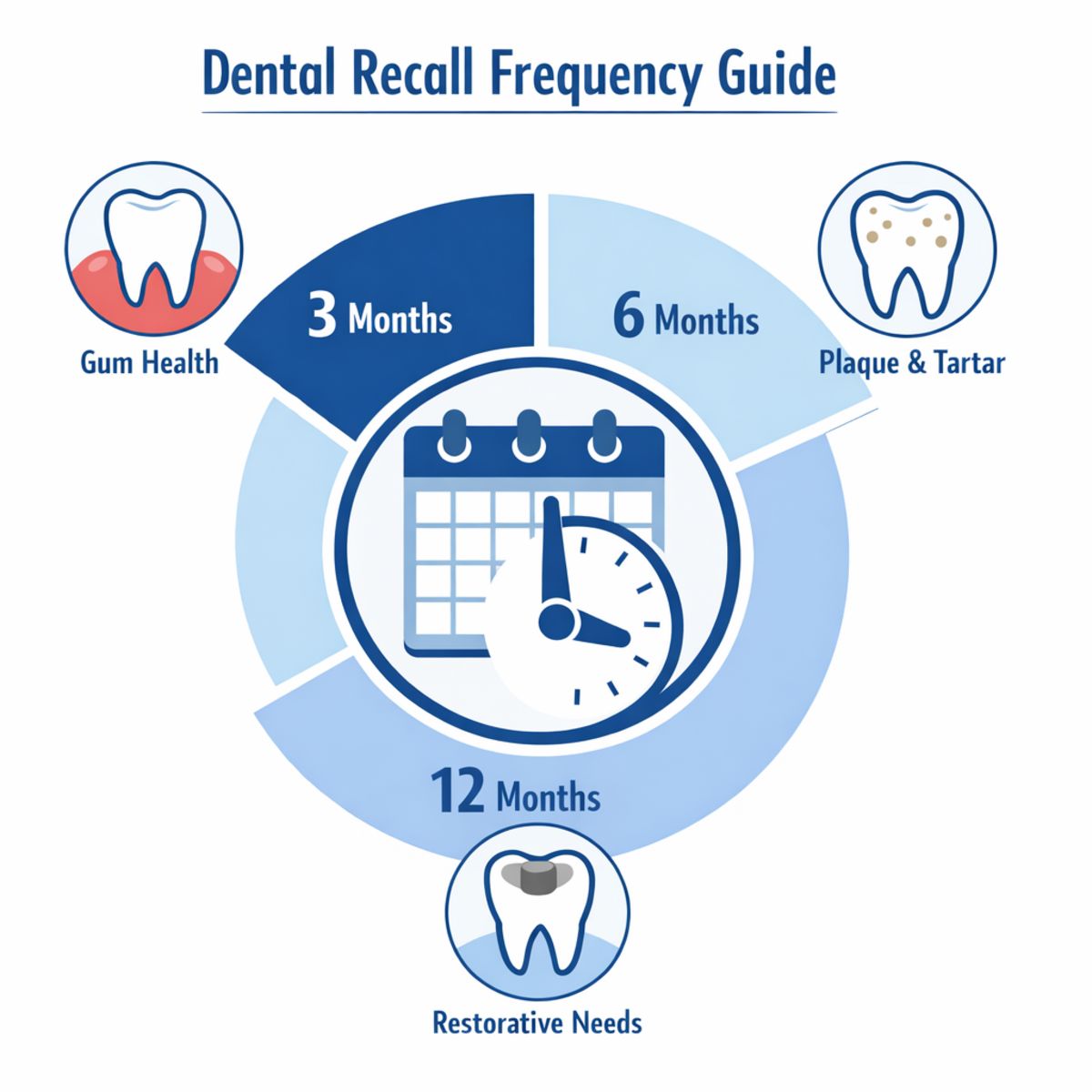
How Often Should You Get a Dental Check Up?
Many people are advised to have regular dental check ups every six months, but that is not a one-size-fits-all rule. The right schedule can vary based on your oral health, clinical findings, and whether you need routine preventive care or more frequent periodontal maintenance.
If your gums are healthy and your mouth is generally stable, a standard recall interval may be appropriate. If you have a history of gum disease, deeper pockets, or ongoing inflammation, your dentist may recommend visits more often to help manage the condition and reduce the chance of progression.
What can affect your schedule
Several factors can influence how often you should be seen, including:
- Current gum health and any periodontal history
- How quickly plaque and tartar build up
- Smoking or tobacco use
- Crowns, bridges, implants, or other restorations that need monitoring
- Medical history and conditions that may affect healing or inflammation
Why personalized guidance matters
The safest and most effective interval is based on an in-person evaluation, not a universal promise. Your dental team will consider your periodontal status, home care, and past treatment history before recommending a schedule that fits your needs. For some patients that may mean routine check ups, while for others it may mean closer maintenance visits to better protect long-term oral health.
Dental Check Up Cost and Insurance Basics
The cost of a dental check up can vary based on the type of exam performed and any additional services recommended during the visit. Rather than assuming one flat fee, it helps to understand that pricing may change depending on whether you need routine preventive care, diagnostic X-rays, a more involved cleaning, or evaluation for gum concerns.
What can affect the cost
Several factors can influence the total cost. These may include the complexity of the exam, whether imaging such as X-rays is needed, the type of cleaning appropriate for your oral health, and whether signs of periodontal disease require further assessment or treatment. If there is buildup below the gumline or other findings that go beyond a standard preventive visit, the recommended care may differ from what a patient expects at a routine appointment.
Questions to ask about insurance
Dental insurance can help with some services, but coverage depends on your specific plan, benefits, frequency limits, and annual maximums. Preventive services are sometimes handled differently than periodontal treatment or diagnostic imaging, so it is important not to assume every part of a visit is covered. Good questions to ask include whether your plan includes preventive benefits, how often exams and X-rays are covered, and whether periodontal services apply under separate terms.
A practical next step is to confirm your dental insurance details with your provider and ask the dental office for a treatment estimate after your evaluation. That approach gives you the clearest picture of recommended care and any expected out-of-pocket costs.
Signs You Should Schedule a Dental Evaluation Sooner
Some oral symptoms are worth getting checked sooner rather than later. Bleeding gums, persistent bad breath, tooth sensitivity, loose teeth, gum recession, or discomfort when chewing can all be reasons to schedule a professional dental evaluation. These signs do not confirm any one issue on their own, but they may indicate that an in-person exam would be helpful.
Common warning signs
- Gums that bleed during brushing or flossing
- Bad breath that does not improve with routine home care
- Sensitivity to hot, cold, or pressure
- Teeth that feel loose or different when biting
- Gums that appear to be pulling back
- Pain or discomfort when chewing
Because symptoms can have different causes, it is best not to self-diagnose based on online information. A dentist or periodontist can evaluate what is happening and recommend next steps based on an exam. If you are also noticing changes that may relate to signs a bad tooth needs evaluation, timely assessment can help you get clear answers.

Frequently Asked Questions About Dental Check Ups
How long does a dental check up usually take?
The length of a dental check up can vary depending on what is needed during the visit. Time may be affected by whether X-rays, a cleaning, periodontal measurements, or additional evaluation are recommended.
Do I always get a cleaning at the same visit?
Not always. Some patients receive a routine cleaning at the same appointment, while others may need a different type of cleaning or a separate visit based on their oral health findings.
What is the difference between a dental cleaning and periodontal maintenance?
A routine dental cleaning is generally intended for patients with healthy gums or mild buildup. Periodontal maintenance is typically used after treatment for gum disease and focuses on ongoing care to help manage periodontal health.
Can a dental check up detect gum disease?
A dental check up can reveal signs that may suggest gum disease, such as inflammation, bleeding, or deeper gum measurements. If concerns are found, further periodontal evaluation may be recommended to better understand the condition.
Will dental insurance cover a check up?
Coverage depends on your specific dental insurance plan. Many plans include preventive visits, but frequency limits, deductibles, and related services can vary, so it is best to confirm benefits directly with your insurer or dental office.
When to Request an Appointment
If you are due for a check up, have bleeding gums, tenderness, persistent bad breath, gum recession, or a history of periodontal treatment, it may be time to request an appointment. An in-person evaluation can help determine whether a routine cleaning, periodontal maintenance, or deeper care is the most appropriate next step for your needs.
Getting personalized guidance from a dental professional can help you understand your current gum health and the care that fits your situation.
Key Takeaways
A dental check up typically includes an exam of your teeth, gums, and overall oral health, along with guidance based on what your dentist sees during the visit. In many cases, it may also include X-rays, screening for concerns, and a cleaning if that is appropriate for your needs.
One of the most important points is that routine preventive care and periodontal care are not the same. A standard cleaning is designed for ongoing maintenance, while periodontal treatment is used when gum disease is present and needs more focused care.
The right type of cleaning and the right visit schedule depend on your individual oral health, risk factors, and clinical findings. If you are unsure what applies to you, a professional evaluation can help clarify the next steps and support a care plan that fits your situation.



Recent Comments